Remember that old, slightly worn dress tucked away in your closet? Perhaps a favorite shirt with a loose button? These seemingly small problems might inspire a new passion. Instead of replacing them, what if you could learn to mend, create, and customize your own clothing? A sewing academy offers just that—a welcoming space to develop your skills and express your creativity. This post will explore the many aspects of a sewing academy, from what you’ll learn to the benefits of joining one, giving you the knowledge needed to start your sewing adventure.
Key Takeaways
- Discover the fundamentals of sewing, including essential tools and techniques.
- Explore different sewing styles, from basic repairs to advanced garment construction.
- Understand the benefits of learning in a structured sewing academy environment.
- Learn about the various career paths that sewing skills can open up.
- Find out what to look for when choosing a sewing school.
- Gain inspiration and guidance to start or improve your sewing skills.
Embark on a Sewing Adventure
The world of fabric arts is a rich tapestry of techniques, styles, and possibilities. From simple repairs to complex designs, sewing offers a unique blend of creativity, problem-solving, and personal expression. This guide provides an overview of what a sewing academy is and what it can do for you, whether you’re a complete beginner or looking to refine your skills.
Fundamentals of Sewing
At the heart of any sewing academy is the instruction in fundamental techniques. This involves more than just how to thread a needle or use a sewing machine. The focus goes much further, starting with the very basics and slowly building towards more challenging skills. Mastering these basics is essential to building a solid foundation. You’ll move from learning the parts of a sewing machine to creating basic seams, and everything in between.
-
Sewing Machine Mastery: Understanding your sewing machine is the first step. This includes learning how to thread it correctly, change bobbins, adjust stitch length and width, and troubleshoot common issues like thread jams or skipped stitches. Different machines have different features, so taking time to fully understand the features of your machine is important for avoiding future problems.
This is often the first step in a sewing academy, with hands-on practice sessions using various machines. Through this practice, you’ll gain confidence and proficiency, allowing you to use your machine to its full potential.
-
Hand Sewing Techniques: Before machines, everything was sewn by hand! While machines speed up the process, hand sewing still has a vital place. You’ll learn various hand stitches, such as running stitch, backstitch, slip stitch, and buttonholes. These skills are invaluable for delicate work, repairing garments, or adding unique embellishments.
A good sewing school will teach different stitches and when each should be used. This knowledge lets you handle small fixes and add flair to your creations.
-
Fabric Identification and Preparation: Fabrics come in countless types, each with unique properties. You will learn how to identify different fabrics, from cotton and linen to silk and wool, and understand how they behave. Proper fabric preparation, including pre-washing, pressing, and grain alignment, is crucial for successful projects.
Understanding fabric preparation is key to the outcome of any project. Pre-washing prevents shrinking, grain alignment ensures the fabric hangs correctly, and pressing makes your work smooth.
Essential Tools and Supplies
Having the right tools is essential for a smooth and enjoyable sewing experience. A well-equipped sewing kit can make the difference between a frustrating experience and a satisfying one. As you progress, you’ll discover new tools that fit your style.
-
Measuring Tools: Accurate measurements are critical. You’ll need a flexible measuring tape for taking body measurements, a ruler for straight lines and seam allowances, and a seam gauge for precise short measurements.
Choosing the correct measuring tools is the first step in a well-fitting garment. A good sewing academy will help you learn to use these tools accurately, ensuring your projects fit perfectly.
-
Cutting Tools: Sharp cutting tools are essential. This includes fabric shears for cutting fabric, small scissors for snipping threads, and a rotary cutter with a cutting mat for larger projects.
Sharp, accurate cutting tools make the sewing process easier. They ensure clean cuts, and prevent frayed edges. Safety is another point, and a sewing academy will teach you how to use these tools safely.
-
Marking Tools: Transferring pattern markings to fabric requires the right tools. You’ll use chalk pencils or fabric markers for temporary markings and pins to hold fabric layers together.
Marking tools are important for transferring pattern information to your fabric. Marking correctly helps you follow patterns, sew correctly, and avoid errors.
Sewing Styles and Techniques
Sewing covers a vast array of styles and techniques. From basic repairs to complex garment construction, there’s something to capture everyone’s interest. A sewing academy will expose you to various approaches, encouraging exploration and developing specialized knowledge.
-
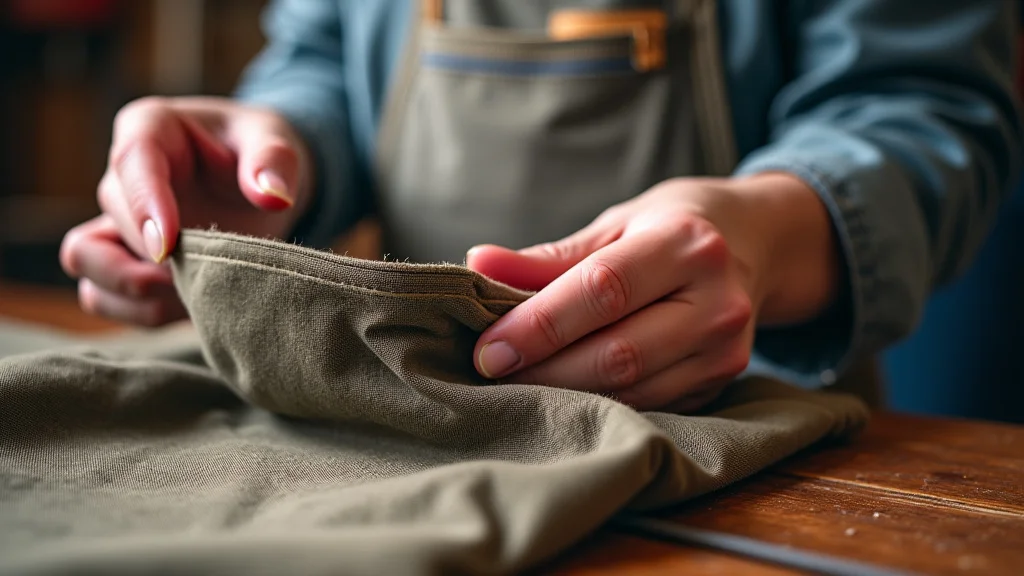
Basic Repair and Alterations: A large part of sewing is in maintaining and modifying existing garments. You’ll learn how to mend tears, replace buttons, adjust hems, and resize clothing to fit.
These skills are practical and useful. Learning how to repair and alter clothing saves you money and gives your garments a longer life.
-
Garment Construction: If you enjoy creating clothes from scratch, you’ll learn pattern reading, cutting, and sewing to create skirts, dresses, and other clothing items. This includes sewing darts, seams, facings, and various closures like zippers and buttons.
Garment construction is an advanced area of sewing. It requires more knowledge of patterns, fitting, and techniques. A sewing school will give you a good foundation in these techniques.
-
Specialized Techniques: Some sewing courses also cover specialized techniques like quilting, embroidery, or tailoring. These techniques allow you to explore different areas of the craft.
Specialized courses offer a way to deepen your skills. Whether you’re interested in making a quilt or designing complex embroidery, these specialized courses will get you up to speed.
The Sewing Academy Environment
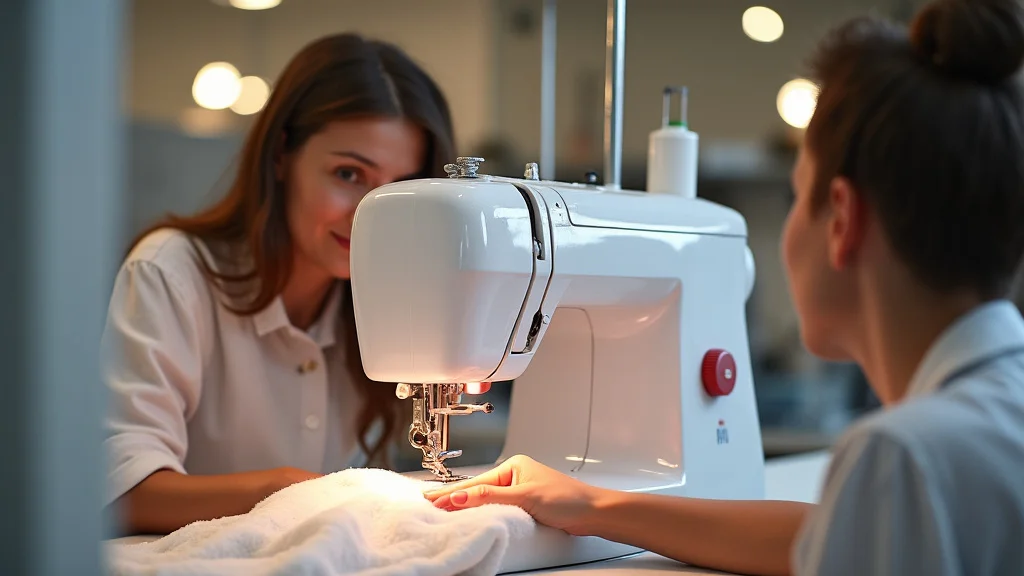
Learning in a structured environment can significantly accelerate your progress. A sewing academy provides more than just lessons; it offers a supportive community, expert guidance, and access to resources that enhance your learning journey.
Benefits of Structured Learning
A structured approach helps you to stay on track. This lets you build skills logically, with guidance from experienced instructors. It’s also a place to meet other sewing enthusiasts, share ideas, and create projects.
-
Expert Instruction: Experienced instructors can provide expert guidance. They will help you through difficult techniques, provide tailored feedback, and offer insights into best practices. This kind of input can significantly improve your skills and save time.
Expert instructors can help you understand the nuances of sewing. Their experience and knowledge will help you avoid common mistakes and find solutions when you get stuck.
-
Structured Curriculum: Most sewing academies use a structured curriculum that covers various techniques in a logical sequence. The structure helps you build your skills in an organized way, ensuring you develop a solid foundation.
A well-planned curriculum makes the learning process effective. It makes sure you gain knowledge and skills in order, building your abilities over time.
-
Access to Resources: Sewing academies often provide access to a wide range of resources. This might include sewing machines, cutting tables, ironing boards, and a selection of sewing tools. This helps you to develop your skills, without needing to acquire everything yourself.
Access to resources makes learning easier. You can try different machines, tools, and materials without a huge initial investment.
Community and Support
One of the great advantages of a sewing academy is the chance to join a community of people who share your passion. This support network can provide encouragement, inspiration, and assistance throughout your sewing journey.
-
Peer Support: Learning alongside others offers opportunities to share ideas, seek advice, and work on projects together. Working in a group can make the learning process more enjoyable and motivational.
Working with peers is valuable. You’ll be able to compare notes, help each other, and celebrate achievements together.
-
Feedback and Critique: Instructors and fellow students can offer valuable feedback on your work. This feedback can help you see your mistakes and find ways to improve.
Feedback helps you see your work with a new perspective. Both instructors and classmates can provide valuable insights on your work, helping you refine your skills.
-
Inspiration and Motivation: The sewing community can be a source of constant inspiration. You’ll see new techniques and project ideas, learn from the successes and failures of others, and find the motivation to keep sewing.
Being part of a community helps you stay inspired. You will have access to new ideas, approaches, and support to pursue your projects.
Choosing the Right Sewing Academy
Selecting the right sewing academy is important. Considering factors like course content, instructor experience, and the learning environment can make a big difference in the quality of your learning experience.
-
Course Offerings: Ensure the courses offered meet your goals. Check the curriculum to see if it covers the areas of sewing you wish to explore. Consider beginner courses and advanced options.
Choose a school that offers courses that match your interests. Ensure it offers the techniques, patterns, and skill levels that fit your goals.
-
Instructor Qualifications: The experience and credentials of the instructors are important. Look for instructors with a deep knowledge of sewing and experience teaching others. Read student reviews or ask for references.
Consider the instructors’ expertise and teaching abilities. The right instructor will make your learning experience more effective and enjoyable.
-
Learning Environment: The environment should be comfortable and well-equipped. Check for access to sewing machines, cutting tables, and other resources. Ensure there’s enough space for classes and projects.
The learning environment can significantly affect your experience. Look for a space that is comfortable, well-lit, and equipped to support your learning.
Career Paths and Opportunities
Sewing skills go beyond personal hobbies. They can lead to various career paths and opportunities. A solid foundation can open doors for you, allowing you to create a business, work for others, or enjoy a creative outlet.
Professional Opportunities
For those looking for a career, sewing offers a broad range of options. A sewing academy will give you a solid foundation and prepare you for a professional setting. The following careers are possible.
-
Fashion Designer: Many fashion designers start with a strong understanding of sewing. They can create designs and bring them to life.
Fashion designers create clothing and accessories. Strong sewing skills are fundamental to their work. They work on pattern making, prototyping, and perfecting designs.
-
Seamstress/Tailor: Seamstresses and tailors focus on altering, repairing, and constructing clothing. They can work in retail, offer custom tailoring services, or run their own businesses.
These professionals work with existing garments to make them fit perfectly. They use hand and machine techniques to repair, adjust, and construct clothing.
-
Pattern Maker: Pattern makers create the patterns from which clothes are made. They have a detailed understanding of how garments are constructed.
Pattern makers take design concepts and create patterns. They require specialized training, including technical drawing and clothing construction.
Entrepreneurial Ventures
For those with an entrepreneurial spirit, sewing skills can lead to business opportunities. You can begin a small business at home, building a brand around your creations. This can lead to a stable career.
-
Custom Sewing Services: Offer custom clothing or alterations services. You can start small, building a reputation with friends and family. This can grow into a thriving business.
Offering custom sewing can create a successful business. This includes creating custom clothing items, repairing garments, and tailoring them to individual needs.
-
Selling Handmade Items: Sell your creations online, at craft fairs, or in local stores. This can include clothing, accessories, home decor items, and other fabric-based products.
Craft fairs or online selling provides a flexible way to generate income. You can showcase your work, promote your brand, and sell directly to customers.
-
Teaching Sewing: Share your knowledge by teaching sewing classes or workshops. You can start a small local class, and expand as your reputation grows.
Teaching sewing allows you to share your skills and support others. You will help students develop their skills, and inspire a new generation of sewing enthusiasts.
Common Myths Debunked
Misconceptions about sewing can be a barrier to entry. Here are common myths, debunked with factual information.
Myth 1: Sewing Is Only for Older People
In reality, sewing appeals to people of all ages and backgrounds. With the rising popularity of DIY projects and sustainable fashion, sewing has become a relevant skill for people of all ages. Sewing academies often attract a diverse student base.
Myth 2: Sewing Is Too Difficult to Learn
Sewing, like any skill, requires practice and patience. The basics can be learned in a short amount of time, and sewing academy classes offer a structured and supportive learning environment. With guidance and practice, anyone can learn to sew.
Myth 3: Sewing Is Too Expensive
While some sewing machines and fabrics can be expensive, the initial investment can be quite affordable. Many sewing academies offer beginner classes, providing access to machines and basic supplies. Moreover, sewing allows you to create your own clothing and repairs, ultimately saving money.
Myth 4: Sewing Is a Waste of Time
Sewing is a creative and productive hobby with tangible results. It can be a way to express creativity, create unique items, reduce waste, and build valuable skills. It can be quite rewarding to create something with your own two hands.
Myth 5: Sewing Is Only for Women
Sewing is a skill that anyone can learn and enjoy, regardless of gender. Sewing is beneficial for everyone, from creating custom clothing to repairing items, sewing transcends gender stereotypes, providing creative avenues for everyone.
Frequently Asked Questions
Question: What will I need to bring to my first class at a sewing academy?
Answer: Most academies provide the machines and tools. You will likely only need to bring a notebook, pen, and some fabric and thread for your first project. The academy will let you know what is needed.
Question: How long does it take to become good at sewing?
Answer: It depends on your dedication. The basics can be mastered quickly. With regular practice and guidance, you can develop your skills to make advanced projects.
Question: Can I bring my own sewing machine to the academy?
Answer: Yes, many academies allow you to bring your own machine. This allows you to learn using the equipment you plan to use at home.
Question: What if I have never sewn before?
Answer: Most sewing academy courses are designed for beginners. The instructors will introduce the basics in a supportive and friendly environment.
Question: What happens if I miss a class?
Answer: Contact the academy about making up a class, or getting notes from other students. Many academies offer some flexibility to address missed sessions.
Final Thoughts
Joining a sewing academy is an adventure. From learning basic stitches to creating your own clothing, sewing opens up a world of creativity and practical skills. The structured environment, expert instruction, and supportive community provide an ideal setting for anyone looking to learn or refine their sewing abilities. Whether you are aiming to create unique garments, find a new career, or simply enjoy a relaxing hobby, sewing has much to offer. The knowledge and experience you gain in a sewing academy can enrich your life. So, embrace the opportunity, explore the techniques, and start your creative sewing journey today!