Ever started a sewing project only to realize you’re missing a vital piece of equipment? I remember one time, I was determined to hem my favorite jeans. I pulled out my needle and thread, ready to go, but then realized I didn’t have a seam ripper! That frustration led me on a mission to gather the essential sewing tools, and now, I’m ready to share what I’ve learned. This post is all about the 4 sewing tools every sewer needs, whether you’re a beginner or a seasoned pro. You’ll gain practical knowledge about these tools, learn how to use them, and understand why they are so important for all your projects. By the end, you will be better equipped to start your sewing journey and improve your skills. You’ll have all the knowledge to create better pieces and spend less time fighting with your projects. You will also learn how to create your first items!
Key Takeaways
- Discover the four must-have tools for any sewing project.
- Learn the proper use and care of each tool to extend its lifespan.
- Understand how these tools can improve your sewing accuracy and efficiency.
- Explore different types of tools to find what suits your needs.
- Gain a deeper appreciation for the craft of sewing.
- Learn how to choose the right tools for different projects.
The Indispensable Sewing Tools Every Sewer Needs
Every craft, whether it’s cooking, painting, or sewing, relies on the right instruments. In the case of sewing, having the proper sewing tools makes the process easier, more accurate, and more enjoyable. These four tools are fundamental, essential for all types of sewing projects, from repairing a simple tear to creating complex garments. These instruments can have a great impact on the quality of your finished products, reducing frustration and waste. By mastering the use of these tools, you’ll be well on your way to becoming a skilled sewer.
The Measuring Tape: Precision at Your Fingertips
A measuring tape is the foundation of any sewing project. It allows you to accurately take body measurements, measure fabric, and transfer measurements to patterns. A flexible measuring tape, typically made of a soft material like fiberglass, is ideal because it can easily curve around the body and other curved surfaces. It usually has inches on one side and centimeters on the other, providing flexibility for all types of patterns and instructions. The tape itself should have clear, easy-to-read markings, and be flexible enough to handle various measurement tasks. Always check the tape for accuracy before using it, as stretching or damage can lead to incorrect measurements. Proper measurement is one of the most important aspects of sewing success. Without precision, your garments may not fit properly.
- Taking Body Measurements: Wrap the tape around your waist, hips, bust, and other key areas to get accurate measurements for your pattern.
- Measuring Fabric: Use the measuring tape to determine the length and width of fabric needed for your project, ensuring you have enough material.
- Transferring Measurements: Use the tape to accurately transfer measurements from your pattern to the fabric, ensuring precise cuts and seams.
- Checking Seam Allowances: After sewing, you can use the measuring tape to double-check that your seam allowances are correct and consistent.
For example, when creating a dress, precise bust, waist, and hip measurements are essential. Using a flexible measuring tape, you can easily wrap it around the fullest part of your bust to determine your bust size. Next, you can measure your waist at your natural waistline, and your hips at the fullest part. These measurements can be used to purchase the right size pattern, and also to adjust the pattern for a perfect fit. Proper measurements are important to avoid the frustration of an ill-fitting garment.
Scissors and Rotary Cutters: The Art of Precise Cutting
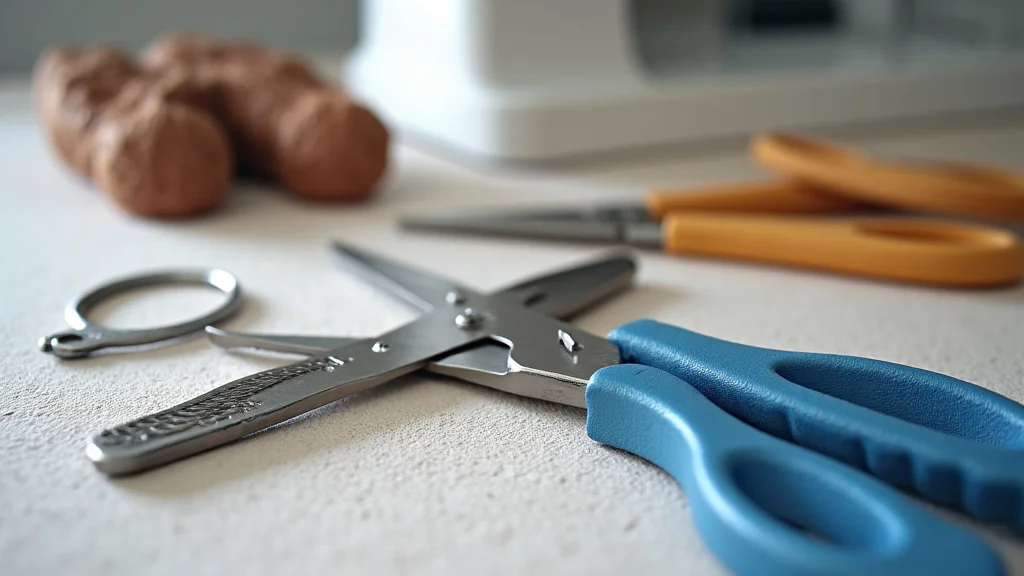
Sharp, reliable cutting tools are another crucial element of a sewing kit. A good pair of scissors and/or a rotary cutter is essential for cleanly cutting fabric, paper patterns, and other materials. Sewing scissors, also called dressmaker’s shears, are designed to cut through multiple layers of fabric with ease and accuracy. Rotary cutters, which are usually paired with a cutting mat, are excellent for quickly and precisely cutting straight lines and curves. The choice between scissors and a rotary cutter often depends on personal preference and the type of project. Both tools can be valuable. A dull cutting tool can cause frayed edges, inaccurate cuts, and general sewing difficulties. If you treat your scissors well, they will last for years.
- Fabric Scissors: Use fabric scissors to cut fabric. Keep them separate from paper to maintain their sharpness.
- Rotary Cutters: Ideal for straight lines and cutting multiple layers of fabric at once, especially with a cutting mat.
- Paper Scissors: Reserve a separate pair of scissors specifically for cutting paper patterns.
- Small Scissors: Small, sharp scissors are useful for detail work, such as clipping threads or making small snips.
Here’s how to use these tools for a basic sewing project: When making a simple skirt, after you have your pattern, you’ll need to cut out the pieces. Using your fabric scissors, carefully place the pattern on your fabric, then carefully cut around the edges. When using a rotary cutter, you can fold the fabric, place the pattern, and cut through multiple layers simultaneously. To keep your tools in excellent condition, you must learn to maintain them. Keep your fabric scissors exclusively for fabric to maintain sharpness. For rotary cutters, always use a self-healing cutting mat to protect the blade and your work surface.
Needles and Pins: Holding it All Together
The right needles and pins are essential for holding fabric together and guiding the thread through the material. Needles come in a variety of sizes and types, depending on the fabric and project. Hand sewing needles are used for various tasks. Pins come in different styles and materials. A pin’s job is to hold the fabric in place before sewing, which helps you create accurate seams. High-quality needles and pins make a huge difference in the ease and quality of your sewing. This ensures that the material is held securely, allowing you to create clean, precise stitches. Using the wrong needle type can cause damage to the fabric, so it’s always important to select the right needle for your project. This is also true for pins. Using the wrong size can damage your work.
- Needle Selection: Choose the right needle type and size for your fabric, ensuring a smooth sewing experience.
- Pin Placement: Place pins perpendicular to the edge of the fabric to prevent shifting during sewing.
- Pin Types: Use different pin types for specific fabrics and projects. Ballpoint pins are suitable for knits.
- Needle Threading: Threading the needle properly is critical for successful sewing.
Consider the task of sewing a delicate silk blouse. You would use a fine needle specifically designed for silk, preventing snags and tears. Use fine, sharp pins to hold the fabric layers together. Conversely, when sewing with thicker fabrics like denim, you would choose a heavier needle size designed to penetrate the material without breaking. Proper selection of needles and pins is critical for making sure that your projects are successful and that they will last.
The Seam Ripper: Your Best Friend
The seam ripper is the tool every sewer learns to appreciate. It is a small but mighty instrument used to quickly and safely remove stitches. Mistakes happen, and the seam ripper is essential to correcting errors and fixing problems without damaging your fabric. It features a sharp, pointed end that can easily slip under stitches, and a small blade that slices through the thread. Using a seam ripper can save you time and prevent frustration. It is essential for beginners and seasoned sewers. The quality of your seam ripper can make a difference in your sewing. Using the right tool can protect your fabrics and ensure professional-looking results.
- Removing Stitches: Use the seam ripper to carefully lift the thread and slice through stitches without damaging the fabric.
- Correcting Mistakes: Remove incorrect seams or stitches and re-sew them correctly.
- Unpicking Seams: Used to separate fabric pieces, remove hems, or adjust seams.
- Preventing Damage: Carefully remove stitches to avoid damaging the fabric, especially delicate materials.
Think about a scenario where you have sewn two pieces of fabric together and realized you made a mistake. With a seam ripper, you can carefully slip the blade under the stitches and slice through the thread, easily separating the pieces. Using this tool allows you to redo the seam and start over with the correct stitch. To prevent damage to your work, always be gentle. The seam ripper is a key element of any sewist’s kit.
Choosing the Right Tools for Your Projects
Having the right tools is just the beginning. Selecting the correct tools for your specific project is equally essential. Different fabrics and projects require different tools, which will improve your sewing experience. Consider these factors when you’re choosing your tools.
Fabric Type: Matching Tools to Your Materials
The type of fabric you’re working with dictates the kind of tools you should use. For instance, delicate fabrics like silk or chiffon require fine needles and sharp scissors to prevent snags and tears. Thicker fabrics, such as denim or canvas, require heavier needles and possibly a rotary cutter for easier cutting. Consider the material’s weight, weave, and texture when choosing your tools.
- Lightweight Fabrics: Use sharp, fine needles (e.g., size 70/10) and fine pins.
- Medium-Weight Fabrics: Use general-purpose needles (e.g., size 80/12) and standard pins.
- Heavy Fabrics: Use heavy-duty needles (e.g., size 90/14 or 100/16) and stronger pins.
- Knit Fabrics: Use ballpoint needles and ballpoint pins to prevent snags.
When sewing with silk, using a specialized silk needle is crucial to avoid damaging the delicate fibers. Similarly, when working with denim, a heavy-duty needle can easily penetrate the fabric, leading to a much smoother sewing experience. Selecting the right tools helps you avoid common pitfalls. This ensures the best possible outcome for your project.
Project Type: Aligning Tools With Your Goal
The complexity of your project can also guide your tool selection. For simple projects, such as hemming a pair of pants, basic tools might suffice. More complex projects, such as creating a tailored jacket, may need specialty tools. Having a collection of different tools available can help you complete any sewing project. Consider what the project involves, the amount of detail needed, and the specific tasks you’ll perform.
- Basic Projects: Use a basic sewing kit with measuring tape, scissors, needles, and pins.
- Intermediate Projects: Add a seam ripper, rotary cutter, and a cutting mat for more precision.
- Advanced Projects: Consider specialized tools, such as pattern weights, tailor’s chalk, and a variety of needle types.
- Clothing Projects: Use tools specific to the project, such as sleeve heads, shoulder pads, and other tailoring tools.
For example, if you are making a simple tote bag, you can probably cut your fabric with scissors and use basic pins. If you’re sewing a fitted dress, a rotary cutter, cutting mat, and various types of needles and pins might make the process easier. The proper tools will make the project less difficult and produce a better-looking product.
Budget: Finding Quality Within Your Means
Sewing tools can range in price, so setting a budget and finding quality within that budget is important. High-quality tools are often more durable and provide better results, but you don’t always need to purchase the most expensive option. Start with a basic kit that includes the essentials, and gradually upgrade your tools as you become more experienced. Focus on purchasing quality items that are essential to your sewing. This can make the projects easier and more enjoyable.
- Starter Kits: Consider purchasing a sewing kit that includes essential tools.
- Essential Tools First: Invest in the most important tools like a good measuring tape, fabric scissors, and a seam ripper.
- Quality Over Quantity: Choose durable tools that will last.
- Gradual Upgrades: Add specialized tools as your skills and projects grow.
When starting, a basic kit can be a good starting point. As you expand your craft, you can purchase higher-quality fabric scissors or a rotary cutter. This ensures you’re not spending money on something you don’t need, and it allows you to learn about the various tool options. You can slowly add new tools to your kit as you understand your needs more.
Advanced Techniques With Your 4 Sewing Tools
Mastering the basic 4 sewing tools opens the door to more advanced techniques. Improving your skills with each tool will help you to create more challenging projects. Learn ways to improve your skill with these simple techniques.
Precision Measurement and Cutting
Beyond basic measurement, you can learn ways to use your tools to achieve even greater precision. For example, understanding how to use a fabric marker, a measuring gauge, and other tools will help you to sew with even greater precision. Using these strategies, you can improve the quality of your work. This will improve the quality of your finished projects.
- Precise Seam Allowances: Use a measuring gauge to accurately mark and maintain seam allowances.
- Pattern Matching: Use your measuring tape to match patterns on fabric pieces.
- Accurate Cutting: Practice cutting techniques to ensure precise edges and corners.
- Consistent Measurements: Regularly check and compare measurements to maintain consistency throughout the project.
You can learn to use a measuring gauge to ensure all of your seam allowances are accurate. This will make your finished projects look professional. When dealing with patterned fabric, you can use your measuring tape and pins to carefully match the pattern pieces. That will provide a polished, unified look. By mastering these methods, your sewing projects will become more precise and polished.
Mastering Seam Ripping and Stitching
The seam ripper is more than just a tool for fixing errors. There are different techniques you can use to unpick stitches without damaging the fabric. Likewise, learning different stitch techniques can elevate your work. Take the time to practice these methods and make your work look professional.
- Seam Ripper Techniques: Learn to control the seam ripper’s angle and pressure to prevent fabric damage.
- Stitch Variations: Try different stitch lengths and types for various fabrics.
- Correcting Mistakes: Practice removing stitches carefully and re-sewing them accurately.
- Stitch Reinforcement: Use reinforcing stitches for areas subject to stress.
When using a seam ripper, learn to insert the tip gently. This ensures that you don’t cut the fabric. When re-stitching, make sure to use consistent stitch lengths. By practicing, you will become comfortable and confident in your ability to correct mistakes and create professional-looking results. The skill comes from consistent practice.
Common Myths Debunked
Myth 1: Expensive Tools Guarantee Better Results
While high-quality tools can make the sewing process easier, the price doesn’t always guarantee superior outcomes. Skill, practice, and the correct usage of tools are more important than the price tag. Many budget-friendly options can produce excellent results if used correctly. Focus on learning how to use your tools effectively, and you’ll see great results regardless of the price.
Myth 2: All Sewing Machines Come With Good-Quality Tools
The tools that come with sewing machines can be a good starting point, but they are often basic. Some, like the scissors, might not be designed for detailed sewing. Investing in your own high-quality versions of the essential sewing tools will likely improve your results. Many sewers find that upgrading their tools can make the process more efficient and make their work look more professional.
Myth 3: You Need Every Sewing Tool Available
It’s tempting to buy every tool you see, but it’s not necessary, especially when starting. Focus on the core 4 sewing tools and master them. You can expand your collection as needed, based on the projects you do. The right tool for the job is all you need. You can always add more tools as you advance your sewing skills and expand your projects.
Myth 4: Sewing is Only for Experienced People
Sewing is an accessible craft that anyone can learn. With the right tools and instruction, beginners can create wonderful projects. Learning the basic tools and techniques is a starting point, and practice helps improve. Online tutorials, books, and classes are available to help. You’ll soon develop your abilities and be able to do more complex sewing work.
Myth 5: Sewing Tools Last Forever
While good tools are durable, they do require care and occasional maintenance. Scissors can become dull, and needles wear out or break. Proper care, like keeping your scissors sharp and storing your needles correctly, will extend their life. Keeping your tools in good shape will provide a longer, more enjoyable experience. You’ll find that your tools last a long time if you maintain them correctly.
Frequently Asked Questions
Question: What’s the best way to keep my scissors sharp?
Answer: Always use your fabric scissors only for fabric, and store them properly. You can also have them sharpened by a professional tailor or shop.
Question: How often should I change my sewing machine needle?
Answer: Change your needle after every eight hours of sewing or after a major project, or if you notice it is blunt, bent, or damaged.
Question: Can I use regular pins for all fabrics?
Answer: No, use specific pins for different fabrics. Ballpoint pins are best for knits, while standard pins work for woven fabrics.
Question: How do I choose the correct size of measuring tape?
Answer: Choose a flexible measuring tape made of fiberglass or another soft material that can easily curve around the body.
Question: Is a seam ripper really necessary?
Answer: Yes, a seam ripper is an indispensable tool for correcting mistakes and for repairing projects. It is essential for a smooth sewing experience.
Final Thoughts
Mastering the fundamental 4 sewing tools is the first step in your sewing adventure. Understanding how to use the measuring tape will lead to precise cuts and measurements. The use of scissors and rotary cutters allows you to cut fabric efficiently. Needles and pins keep fabrics together during the sewing process, and the seam ripper ensures that you can undo mistakes. The correct use of these instruments is the foundation of every successful project. As you gain more experience, you’ll find that having the right tools makes the process easier and helps you improve the quality of your finished work. Start practicing today, and see how easy sewing can be. Keep sewing, and you will learn more.