Picture this: you’re excitedly working on a new dress, fabric flowing, the needle humming… then, a sudden snag! Luckily, you’re fine, but it’s a good reminder that sewing safety is essential for every stitch. Many people underestimate the importance of following the right practices. This guide will focus on the most important sewing safety rules, helping you stay focused on your projects and away from the hazards, turning your creative time into a safe and enjoyable one. You’ll gain practical knowledge to protect yourself, your loved ones, and your surroundings. By exploring these essential practices, you’ll be better equipped to prevent accidents and keep your sewing space a secure one, improving both your experience and your confidence, while reducing unwanted situations.
Key Takeaways
- Learn about the importance of sharp tools and safe handling practices.
- Discover how to maintain a well-organized workspace to prevent injuries.
- Understand the correct usage of power tools and equipment.
- Find out how to manage and store materials safely.
- Find ways to be aware of potential hazards to reduce risks.
Essential Sewing Safety Practices
Sewing, a creative art, can lead to both beautiful creations and potential injuries if safety measures are not followed. It’s easy to get lost in the creative flow, but a safe workspace allows for both enjoyment and the prevention of accidents. The core of any safe sewing practice revolves around the tools, the area, and the materials used. From the needle to the power tools, each item demands specific attention. By following essential sewing safety practices, one can prevent accidents and ensure that the focus stays on the enjoyment of the process. Remember, a safe seamstress is a productive seamstress!
Safe Tool Handling
The tools of sewing, like any crafts tools, are designed for precision, but they also carry risks. Needles, scissors, and rotary cutters, with their sharp edges, can cause harm if handled carelessly. A few actions can greatly diminish these risks and protect you from accidents. Knowing how to maintain your tools and using them correctly is key. Always use the right tool for the job. Misusing equipment can lead to accidents. Always prioritize your safety!
- Keep Needles Protected: When not in use, store needles securely in a pin cushion, needle case, or magnetic holder. This prevents them from rolling off a surface and causing injury.
- Use Scissors Correctly: Always cut away from your body. Maintain focus on the task and avoid distractions.
- Proper Rotary Cutter Use: Always use a self-healing mat when using a rotary cutter. Store the cutter with the blade covered.
- Regular Tool Maintenance: Keep tools clean, sharpened, and in good working order. Replace damaged tools immediately.
Needles are, perhaps, the most important tools used during sewing. Their sharp points and small sizes increase the probability of injuries if not stored properly. The most common of these injuries include pricks to the fingers, a situation that may cause cuts or worse if the needle is not clean. Therefore, it is important to store needles in a proper and easy to access holder, so you can easily reach for them when you need them.
Scissors can be as dangerous as needles. Cuts are common accidents, especially if scissors are handled carelessly. Cutting away from your body is the best way to handle this risk. When you cut, ensure the object that you are cutting is stable and that nothing may interfere with your actions. Always use sharp scissors, as they are safer than dull ones, and make sure that you do not force your cuts if you are met with resistance.
Rotary cutters are sharp and can be dangerous, so it’s essential to follow certain rules to avoid accidents. Using a self-healing mat protects your work surface and reduces the risk of cutting yourself. It’s also important to store the rotary cutter with its blade covered when not in use. These precautions can prevent accidental cuts. These practices show the importance of safe tool handling.
Like any equipment, sewing tools require maintenance. Clean tools provide cleaner cuts, which also reduce the chance of snags and improve the precision of your work. Sharpening your cutting tools, like scissors and rotary cutters, ensures they remain effective and easier to control. The reason for this is that sharp tools need less force. Also, always replace damaged tools immediately. Damaged tools can be dangerous and cause accidents. This maintenance increases both your safety and the quality of your work.
Creating a Safe Workspace
Your sewing space is the environment where you bring your creative visions to life. It’s also where many potential hazards can occur. By keeping the space organized and clear of clutter, you can greatly reduce the risk of accidents. Proper lighting, good ventilation, and an ergonomic setup contribute to safety and improve your creative process. Setting up an organized sewing space is a proactive step in minimizing risks and improving your experience.
- Maintain an Organized Space: Keep your workspace clear of clutter. Put away tools and materials after each use.
- Proper Lighting: Ensure your work area has good lighting to prevent eye strain and reduce the risk of accidents.
- Ventilation: Maintain good ventilation, especially when using materials that produce fumes.
- Ergonomic Setup: Set up your sewing area to ensure good posture and reduce strain.
Clutter is a major risk in any workspace. In sewing, it’s particularly important to keep your space neat. Scattered fabric, threads, and tools can create trip hazards and make it easy to misplace important items. A well-organized space ensures that you can move freely, find what you need quickly, and prevent accidents.
Good lighting is essential in a sewing room because it prevents eye strain and reduces the risk of accidents. Poor lighting makes it hard to see details, like small stitches and needle positions, which can lead to mistakes and injuries. Proper lighting improves the safety and comfort of your workspace, allowing you to see your project better and avoid common issues.
Good ventilation is important in a sewing room, specifically when using materials that create fumes. When you’re sewing, you might work with various adhesives, solvents, or fabric finishes, which can release harmful vapors. Keeping the space well-ventilated reduces exposure to these fumes, promoting a healthier environment. This is something that you should always consider, because your well-being matters.
Creating an ergonomic sewing area focuses on reducing the physical strain during sewing. This includes making sure your chair is the right height for your table and that you can comfortably reach all your tools and materials. In doing this, you’re decreasing the chance of back pain or shoulder strain, letting you sew for longer periods without discomfort. If you’re working on projects, this can be an important factor that also helps you avoid mistakes that can occur when you’re tired or uncomfortable.
Managing Materials and Fabrics Safely
Fabrics, threads, and various other sewing supplies can present risks if not handled with care. Proper handling and storage can prevent accidents, keep your workspace tidy, and protect your materials. Safe material management is an important part of sewing safety that can increase both your safety and the longevity of your projects.
- Fabric Storage: Store fabrics neatly, away from direct sunlight and moisture.
- Thread Management: Keep threads organized to prevent tangling. Store threads in a container or on a spool rack.
- Material Handling: Handle sharp materials carefully. Cut fabric on a stable surface.
- Chemical Safety: When using adhesives, paints, or treatments, always follow safety instructions. Work in a well-ventilated area.
Proper fabric storage is key for protecting your materials and preventing accidents. It keeps them clean and organized. Storing fabrics away from direct sunlight keeps colors from fading, while protecting them from moisture prevents mildew and damage. By doing this, you’re helping your fabrics last longer, which improves the quality of your projects. Make sure to organize them so you can find what you’re looking for easily.
Keeping your threads organized is just as important as organizing your fabrics. Tangled threads can lead to frustration and accidents. Storing your threads in a container or on a spool rack keeps them tidy, so they’re easy to access and prevents knots. This also helps you maintain the neatness of your workspace.
When working with sharp materials, it’s essential to handle them carefully to avoid injuries. Always cut fabric on a stable surface, and keep your hands away from the cutting path of the scissors or rotary cutter. Using these precautions is vital for sewing safety and helps to make sure you can stay focused on the task at hand.
When sewing projects require the use of chemicals, adhesives, or other treatments, it’s necessary to prioritize safety. Always follow the manufacturer’s instructions. A well-ventilated workspace is essential for your safety. These steps reduce your exposure to potentially harmful substances.
Power Tool Safety for Sewing
Power tools, such as sewing machines and sergers, can greatly improve efficiency in sewing projects. However, they also present potential risks. Understanding how to use these tools properly, maintaining them, and following safety guidelines is essential. Whether you’re a beginner or an experienced sewist, safe power tool usage helps to prevent injuries. Remember, safety should always be the primary concern.
- Sewing Machine Safety:
- Keep fingers away from the needle.
- Always turn off the machine before threading the needle.
- Never pull fabric while the machine is running.
- Serger Safety:
- Always disconnect the power cord before changing the blades.
- Keep fingers away from the blades.
- Make sure the serger is properly threaded before use.
- Electrical Safety:
- Inspect cords and plugs regularly.
- Make sure the tools are properly grounded.
- Do not use tools in damp conditions.
- Proper Tool Maintenance:
- Keep the tools clean and well-oiled.
- Follow the manufacturer’s instructions for maintenance.
- Get professional service for major repairs.
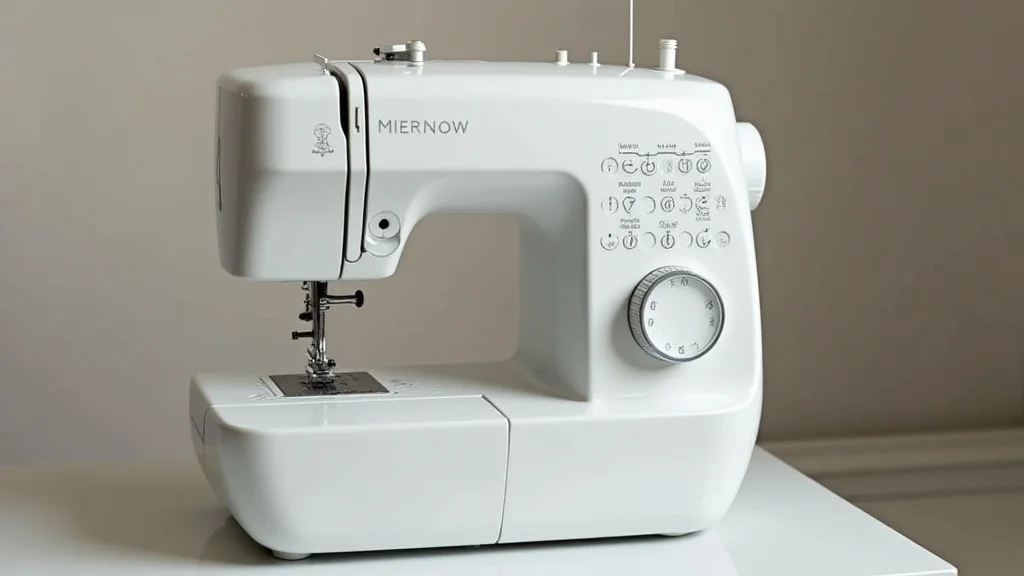
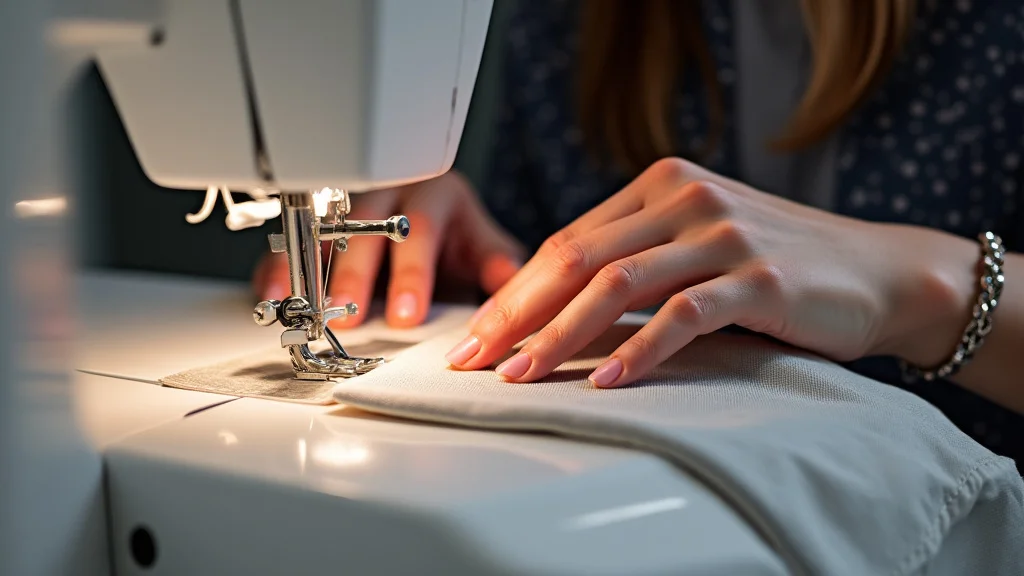
The sewing machine is a powerful tool and is the main element of any sewing project. A few precautions ensure safety while using it. Keeping your fingers away from the needle, turning off the machine before threading, and not pulling the fabric while sewing, are all key for minimizing the risk of injury.
Sergers, or overlock machines, add an element of complexity to sewing. They have multiple blades that move quickly and can be dangerous if handled incorrectly. Always disconnect the power cord before changing the blades. Make sure you also keep your fingers away from the blades and ensure the serger is correctly threaded. This makes sure that you handle them safely and reduce the risk of accidents.
Electrical safety is a key factor when using power tools. Regular inspection of the cords and plugs is necessary. Proper grounding of tools and avoiding damp conditions are also crucial for your safety.
Like with any tools, regular maintenance is important. Keep your power tools clean and lubricated. Following the manufacturer’s instructions is also key to ensuring that they’re working at their best. If you have major problems with your tools, professional service is highly recommended. These actions can increase the life of your tools and help to maintain their safety and efficiency.
Common Myths Debunked
Myth 1: Sewing machines are safe; accidents rarely happen.
In reality, sewing machines are powerful tools that, if misused, can cause serious injuries. Needles can break, fingers can get caught, and other issues can occur. However, following safety practices can help you make sure that you are safe from accidents. Always be mindful of the potential hazards and follow the correct procedures, even if you feel confident.
Myth 2: Sharp tools are always the most dangerous, so dull tools are safer.
Dull tools are actually more dangerous. A dull blade requires more force to cut, increasing the chances of the tool slipping and causing injury. Sharp tools, when used carefully and correctly, offer better control and reduce the risk of accidents. Maintaining sharp tools also helps make it easier to work safely.
Myth 3: Sewing safety is only for beginners.
Sewing safety is an ongoing practice, regardless of your skill level. Even experienced sewists can become complacent and forget basic safety rules. Experienced sewists may also use different machines that present new dangers. Everyone, no matter their experience, can benefit from reviewing and following safety practices. Consistent attention to safety increases your protection.
Myth 4: A messy sewing space doesn’t really matter.
A messy sewing space greatly increases the chance of accidents. Clutter can lead to trip hazards, make it harder to find tools, and increase the risk of things like needle sticks. A clean, organized workspace is a safe and efficient workspace. Cleaning and organizing your sewing room is one of the most effective safety practices you can employ.
Myth 5: It’s okay to multitask while sewing.
It’s best to focus on sewing. Multitasking can distract you from your task, increasing the risk of accidents. Always give your full attention to the sewing process. Being focused on your work is essential. Doing this may also help you improve the outcome of your projects.
Frequently Asked Questions
Question: What’s the best way to store scissors safely?
Answer: Store scissors in a sheath, a scissors case, or a designated spot in your sewing kit or drawer, away from high-traffic areas and out of reach of children or pets.
Question: How do I handle a broken needle while sewing?
Answer: Stop sewing immediately. Turn off and unplug your machine. Carefully locate and remove all pieces of the broken needle, then install a new needle before resuming your project.
Question: What should I do if I get a needle stick?
Answer: Wash the area with soap and water. If you feel any concern, seek medical attention. Note the type of needle and the fabric you were sewing with.
Question: What kind of lighting is best for sewing?
Answer: The best lighting is natural light supplemented by a task lamp with adjustable settings. Make sure that you have enough light to easily see the details of your project.
Question: How can I prevent eye strain while sewing?
Answer: Take regular breaks from your sewing projects. Use good lighting, and make sure that you have an ergonomic setup. You can also use magnifying glasses if you have issues with your vision.
Final Thoughts
The knowledge of 3 sewing safety rules provides a path to a more enjoyable and protected sewing experience. You can create a safe environment and have a worry-free time in your projects when you handle your tools with care, keep your workspace clean and organized, and use power equipment with attention to the instructions. By making these rules a part of your process, you will reduce the chances of accidents and improve your enjoyment in the craft. Don’t wait – implement these 3 sewing safety rules in your sewing process today. This proactive step helps you to improve your safety and make your passion a more fun and relaxing experience!