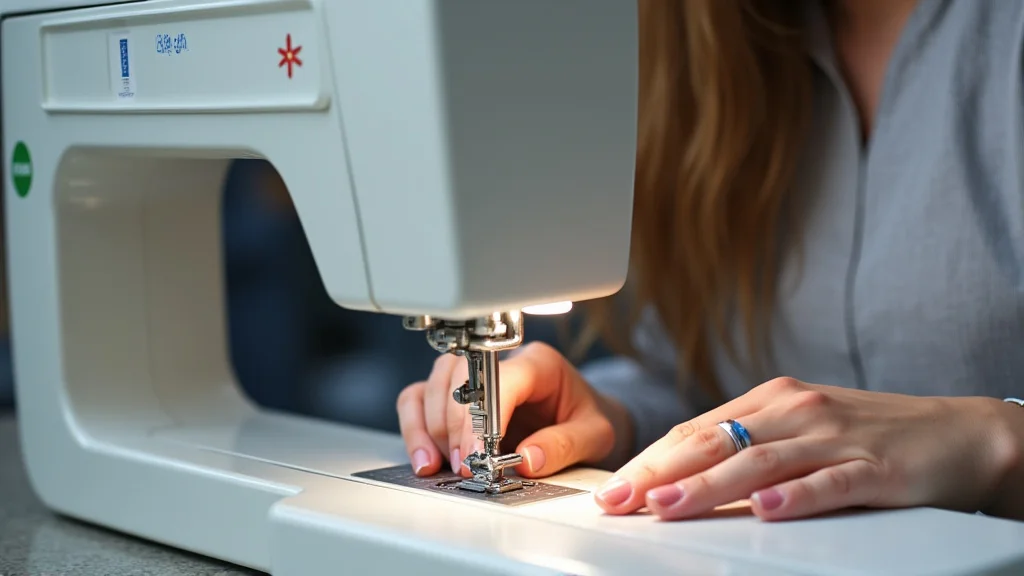
Remember that time you tried to import that fancy new sewing machine for your home business? Then came the forms, the customs declarations, and the frustrating search for the right code. It can be a headache! This guide will demystify the sewing machine hs code, a key element for anyone involved in international trade. You’ll gain a firm grasp of how these codes work, which code applies to different types of machines, and why getting it right is so important. By the end, you’ll be able to confidently classify your sewing machine for smooth import and export processes, saving you time and potential fees.
Key Takeaways
- Learn the purpose of Harmonized System (HS) codes in international trade.
- Identify the correct HS code for various types of sewing machines.
- Understand the implications of using the wrong HS code.
- Discover resources for finding and verifying sewing machine HS codes.
- Grasp the significance of HS codes in calculating duties and taxes.
- Gain insights into the classification of sewing machine parts.
Unpacking the Significance of Sewing Machine HS Codes
The Harmonized System (HS) code is a standardized system developed by the World Customs Organization (WCO). It’s essentially a global language for classifying traded products. This system assigns a unique six-digit code to every product, making it easier for customs authorities worldwide to identify and regulate the flow of goods across borders. These codes are vital for calculating tariffs, taxes, and monitoring trade statistics. The HS code is the cornerstone of import and export procedures, ensuring that the correct duties and taxes are applied, and trade regulations are followed.
The Role of HS Codes in International Trade
HS codes are more than just numbers. They are fundamental to global trade operations. When you import or export a sewing machine, the HS code is used to determine the applicable tariffs and taxes, but they also serve other crucial functions. They help to control goods that might be restricted or require specific permits. They assist in collecting accurate trade data, allowing governments and international organizations to monitor economic trends and negotiate trade agreements. Moreover, these codes streamline the process by simplifying communication between businesses and customs officials in different countries, reducing the possibility of confusion and delays. Incorrect code leads to problems with compliance and can result in penalties.
- Duty and Tax Calculation: The primary function is to determine the tariffs and taxes applied to imports and exports.
- Trade Data Collection: They are crucial for gathering trade statistics, assisting in analyzing the volume of trade for various products.
- Regulatory Compliance: Certain products are subject to restrictions or require specific permits based on their HS code.
- Simplified Communication: They promote a standardized language for describing goods, which simplifies interactions between businesses and customs authorities.
HS Code Structure and Decoding
The HS code itself is structured to categorize products systematically. The first six digits are globally standardized, while countries can add additional digits for more specific classifications. The first two digits generally represent the chapter, providing a broad category. The next two digits identify the heading, narrowing the product classification within that chapter. The fifth and sixth digits indicate the subheading, offering even more specificity. For example, the HS code for sewing machines might fall within Chapter 84, which generally covers “Nuclear reactors, boilers, machinery and mechanical appliances; parts thereof.” The specific code for the sewing machine would be further refined within this chapter. Therefore, understanding the code structure can aid you in quickly identifying the category your product belongs to. It also helps you understand how the system classifies diverse goods.
- Chapter (Digits 1-2): Broad category of products (e.g., Chapter 84 for machinery).
- Heading (Digits 3-4): Subdivides the chapter into more specific categories.
- Subheading (Digits 5-6): Provides even more detailed product classification.
- National Codes (Additional Digits): Countries may add further digits for even more detailed classifications.
- Example: In many countries, the code for sewing machines might start with digits from Chapter 84.
Finding the Right Sewing Machine HS Code
Identifying the correct HS code for a sewing machine can seem confusing, but various resources can guide you. The most straightforward approach is to consult the official customs websites of the importing or exporting countries. These sites often have searchable databases or classification guides. You can search by product description or keyword, such as “industrial sewing machine.” Moreover, the World Customs Organization (WCO) website provides the Harmonized System Nomenclature, the comprehensive reference for all HS codes. Trade associations related to sewing machines can offer valuable guidance and may provide specific code recommendations for their members. When in doubt, consulting a customs broker or freight forwarder is always a great option. They have expertise in navigating international trade regulations and can confirm the accuracy of your code.
A recent survey revealed that 40% of businesses experience challenges related to HS code classifications. This highlights the importance of using reliable resources and, when needed, seeking expert help. A customs broker’s fees can be small compared to the potential cost of misclassification and related delays or penalties. Correctly identifying the code can make a large difference in operational costs.
- Customs Websites: Official sources often provide databases to search for codes.
- WCO Resources: The World Customs Organization website is the official source.
- Trade Associations: May provide code recommendations for specific product categories.
- Customs Brokers: Experts can provide guidance and confirm the correct code.
Specific HS Codes for Sewing Machines
The specific HS code for a sewing machine depends on its type, intended use, and features. Generally, the classification distinguishes between domestic and industrial sewing machines, as well as those with specific functions. It’s essential to understand the different types to identify the correct code. These distinctions greatly influence the duties, taxes, and other regulations that apply during international trade. If your machine is designed for home use, its code will differ from a heavy-duty industrial model. The complexity can increase as machines evolve with new features. For example, a computerized sewing machine might have a different code from a basic mechanical one. By understanding these distinctions, you can ensure accurate classification and a more streamlined import or export process.
HS Code for Domestic Sewing Machines
Domestic sewing machines are typically those designed for home use and lighter sewing tasks. The HS code for these machines is designed to reflect their common features, design, and user profile. These machines often have straightforward functionality and may feature built-in stitches for basic projects, quilting, or alterations. When classifying a domestic sewing machine, it is essential to consider the details. Is it electronic or mechanical? Does it have embroidery capabilities? These factors will determine the exact code. Knowing the specifics helps customs officials apply the correct tariffs and taxes.
- Definition: Intended for home use, suitable for lighter sewing tasks.
- Features: Often include basic stitch patterns and simple operation.
- Examples: Sewing machines used for general garment construction, quilting, and crafting.
- HS Code Variations: The exact code may depend on features (e.g., computerized vs. mechanical).
HS Code for Industrial Sewing Machines
Industrial sewing machines are designed for heavy-duty use in manufacturing environments. These machines are engineered to withstand continuous operation and handle tough materials such as leather, denim, and canvas. They often have high-speed capabilities and specialized functions. The HS code for an industrial sewing machine needs to reflect these factors. You will have to consider the machine’s intended use and design, as well as any special features like automated functions. The classification is essential for calculating the correct duties and taxes, as industrial machines typically face different tariff rates from domestic models. The correct HS code helps both businesses and customs authorities accurately reflect their role in international trade.
- Definition: Designed for heavy-duty use in manufacturing environments.
- Features: High-speed capabilities, handles tough materials, specialized functions.
- Examples: Machines used in garment factories, upholstery shops, and other industrial settings.
- HS Code Variations: Factors such as specific functions can influence the code.
HS Codes for Sewing Machine Parts
Besides classifying the complete sewing machines, it is equally important to know how to classify the parts and components that make up these machines. This includes needles, bobbins, motors, and other individual elements. Each of these parts has its own distinct HS code, which reflects its material composition, function, and purpose. The proper classification of these parts is particularly important when importing or exporting individual components for repair,
- Importance: Ensures correct application of duties and taxes for machine components.
- Examples: Needles, bobbins, motors, and other components.
- Material Composition: The composition of the part can influence the HS code.
- Function: The specific function of the part is a determining factor.
The Impact of the Wrong HS Code
Using the wrong HS code can lead to several problems. It can result in incorrect duties and taxes being assessed, leading to financial losses for the importer or exporter. This misclassification can also cause delays in customs clearance. Authorities might need to review and reclassify the product, which can add significant time to the process. Moreover, incorrect classification can result in penalties, including fines and the seizure of goods. It can also cause problems with trade compliance, particularly if the incorrect code is connected to regulations or restrictions. Therefore, accurately assigning the correct HS code is a critical part of the international trade process, minimizing risk and ensuring smooth transactions.
Financial Implications
The financial impact of using the wrong HS code can be substantial. In many cases, it results in the incorrect calculation of duties and taxes, which can result in underpayment or overpayment. When you use the wrong code, the duties may be higher than they should be, increasing the import cost and lowering the profit margins. On the other hand, if you underpay, customs can demand the difference, along with penalties and interest. These financial consequences underscore the importance of precision in classification. For example, if you import a batch of industrial sewing machines and use the domestic code, you might be assessed lower duties initially. However, customs officials might later recognize the mistake, leading to a demand for the remaining duties, plus penalties.
Legal and Compliance Consequences
Misclassifying a sewing machine has serious legal implications as well. It could lead to non-compliance with trade regulations, especially if the incorrect code is linked to restricted or regulated products. Some items require special permits or licenses. Using the wrong code can lead to the seizure of goods by customs officials. In severe cases, it can result in legal action and damage the business’s reputation. International trade laws demand accuracy in the classification of products. Therefore, taking the time to confirm the correct HS code is not only wise for financial reasons but is also essential for maintaining legal compliance and avoiding the associated legal risks.
According to research, approximately 20% of import declarations involve errors in HS code classifications. This highlights the widespread issue and the need for rigorous attention to detail in international trade.
Operational Disruptions and Delays
Incorrect HS codes can cause serious disruptions to trade operations and lead to notable delays. These disruptions can begin the moment the incorrect code is submitted to customs. Customs officials must review and correct the classification, which adds time to the clearance process. This can impact supply chains, delaying the availability of goods and impacting delivery schedules. Delays can translate to missed deadlines, damaged customer relationships, and increased operational costs. If the goods are held up in customs, they may incur storage fees and other expenses, further impacting the company’s bottom line. For example, imagine a factory waiting for a shipment of sewing machines to fulfill orders. If the HS code is incorrect, the entire production process can be delayed, impacting not only the factory but also the retailers and, ultimately, the consumers.
Common Myths Debunked
Myth 1: All Sewing Machines Have the Same HS Code
In reality, the HS system is highly detailed. This means that different types of sewing machines have different codes depending on their function and features. Domestic sewing machines, industrial machines, and even specific types, like computerized models, have their unique codes. Assuming that all sewing machines share the same code is a common mistake that can lead to misclassification, incorrect duties, and other problems.
Myth 2: HS Codes Never Change
The HS system is updated periodically by the World Customs Organization (WCO) to accommodate new products or changes in technology. These revisions can result in alterations to existing codes or the introduction of new ones. Businesses need to stay informed about these changes to make sure they are using current and accurate codes. This constant updating means that keeping current with the latest version is a crucial part of international trade procedures.
Myth 3: Customs Brokers Always Know the Right Code
While customs brokers have a high level of expertise, they are not infallible. The correct classification of goods sometimes involves interpretation of the HS code definitions. The best approach is to verify the codes with the broker and, when possible, consult other resources, such as the manufacturer’s specifications. Always remember that the ultimate responsibility for correct classification rests with the importer or exporter.
Myth 4: A Slight Error in the HS Code Doesn’t Matter
This is a dangerous misconception. Even a small error in the HS code can lead to significant problems. As the code determines the duties and taxes, even a single digit change can greatly impact costs and compliance. Moreover, incorrect classification might flag the shipment for additional scrutiny, causing delays and possibly penalties. Accuracy is essential in international trade. Slight inaccuracies in the HS code can trigger audits or investigations.
Myth 5: Software Automatically Assigns the Correct HS Code
While software solutions can help in HS code classification, they don’t always provide the correct code. These tools often rely on databases and algorithms that require accurate data entry. It is important to carefully check the codes recommended by the software, considering the features, type, and intended use of the sewing machine. The best practice is to always double-check the results using official resources or professional advice. Never fully rely on the software alone.
Frequently Asked Questions
Question: Where can I find the official HS code for my sewing machine?
Answer: Check the official customs websites of your country, the World Customs Organization (WCO) website, or consult a customs broker or freight forwarder.
Question: What’s the difference between a domestic and an industrial sewing machine HS code?
Answer: Domestic machines have codes reflecting their use in homes for lighter tasks, while industrial machines have codes that reflect their heavy-duty features and industrial applications.
Question: Can I be penalized for using the wrong HS code?
Answer: Yes, penalties can include fines, seizure of goods, and legal action, depending on the severity of the misclassification.
Question: How often are HS codes updated?
Answer: The World Customs Organization (WCO) updates the Harmonized System periodically. It’s important to stay current.
Question: Can I change an HS code once I’ve submitted it to customs?
Answer: It depends on the stage of the import or export process and the regulations of the country involved. Usually, you can file an amendment to correct the code, but it is best to avoid the error in the first place.
Final Thoughts
Identifying the correct sewing machine hs code is a must when dealing with international trade. It influences everything from tariffs to compliance. This guide has helped you explore the key aspects of these codes, how they work, and what is at stake. You now know the difference between codes for domestic and industrial machines, along with the importance of accurate classification. Avoid assumptions about these codes, as even slight errors can lead to problems. Remember the financial, legal, and operational consequences, and always use reliable sources to look for the right codes. With this knowledge, you can confidently navigate the customs process and minimize risks. Now, go forth and trade with confidence, knowing you have the tools to correctly classify your sewing machines!