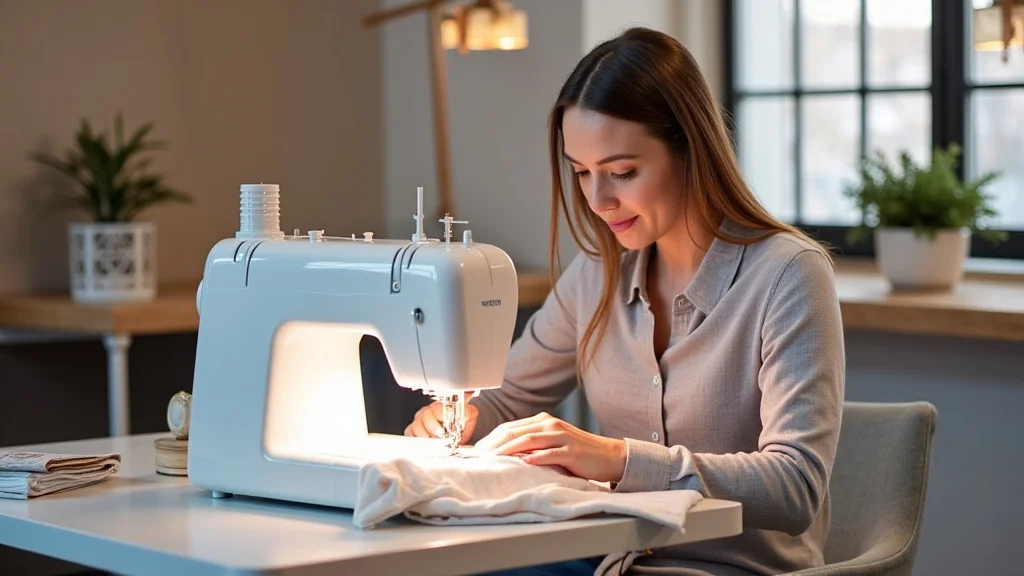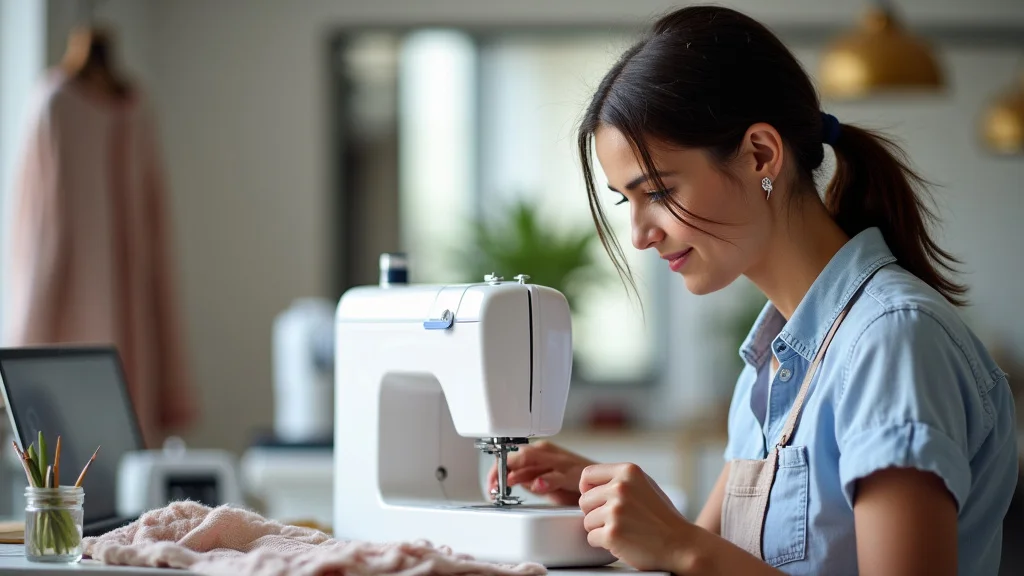
Picture this: you’re walking down Ocean Drive, the sun is shining, and you spot a stunning dress in a boutique window. That dress, along with countless other fashionable items, was likely touched by the skilled hands of a seamstress. If you’re passionate about fashion and crafting, and looking for opportunities in a vibrant city, exploring sewing jobs Miami could be your next step. This guide is your resource, offering insights into various career paths, necessary skills, and how to find employment in this exciting field. You’ll gain valuable knowledge about the industry, from entry-level positions to advanced careers, and learn how to position yourself for success in the sewing jobs Miami market, improving your knowledge and boosting your confidence.
Key Takeaways
- Explore different career paths available in the sewing and fashion industry in Miami.
- Learn the necessary skills and qualifications needed for sewing jobs.
- Discover the best resources for finding job openings and networking in Miami.
- Understand the typical salary ranges for various sewing-related positions.
- Gain insights into starting your own sewing-based business in Miami.
- Get tips on building a strong portfolio to showcase your sewing abilities.
Diverse Careers in Sewing Miami
The fashion industry in Miami is flourishing, creating a wide array of opportunities for individuals with sewing skills. The city’s thriving tourism, luxury market, and artistic communities create demand for skilled professionals who can bring design visions to life. From haute couture to everyday alterations, the possibilities are diverse. With dedication and the correct approach, you can create a satisfying and well-paying career. Let’s explore some of the most popular career options in the sewing field.
Seamstress/Tailor
Seamstresses and tailors are the core of the garment industry. They perform alterations, repairs, and custom sewing services for individuals and businesses. The role requires a strong knowledge of fabrics, sewing techniques, and the ability to work with precision. Tailoring often involves more complex alterations and custom fitting, requiring a deeper level of expertise. In Miami, where fashion and style are important, the demand for both seamstresses and tailors is consistently high. It’s a role that combines skill and artistry, allowing you to bring clients’ clothing ideas to reality.
- Alteration Specialist: Provides fitting and adjustments to ready-made clothing.
- Custom Seamstress: Creates clothing from patterns or custom designs.
- Bridal Alterations: Specializes in modifying and fitting wedding gowns.
- Textile Repair: Repairs tears, damages, and refurbishes fabrics.
Fashion Designer
Fashion designers are the creative minds behind clothing collections. They conceptualize designs, create patterns, and oversee the production process. While not every designer directly sews, a strong sewing background is incredibly helpful. It provides a first-hand understanding of construction, fabric behavior, and the feasibility of designs. The design field needs creative thinking, an eye for aesthetics, and understanding current trends. In Miami, with its vibrant cultural mix and focus on style, aspiring designers have many possibilities to draw inspiration and make their mark. Designers often work with seamstresses or employ their own sewing skills, to develop prototypes and realize designs.
- Garment Design: Creates original clothing designs for the fashion market.
- Pattern Making: Develops patterns from design sketches to be used in production.
- Technical Designer: Works to ensure designs are accurately executed during production.
- Fashion Stylist: Creates looks for photoshoots, runway shows, and personal clients.
Costume Designer
Costume designers bring characters to life through clothing, and this is a creative role that thrives in the entertainment industry. They design and construct costumes for theater, film, television, and dance productions. Costume designers need a deep understanding of historical fashion, character development, and the technical aspects of costume construction. The work involves research, sketching, fabric selection, and collaborating with actors and directors. Miami, with its thriving arts scene, offers opportunities for costume designers in various settings, from community theaters to professional productions. They collaborate with seamstresses and other craftspeople to bring their creative visions to life.
- Theater Costume Designer: Designs costumes for stage productions.
- Film Costume Designer: Creates costumes for movies and television shows.
- Cosplay Costume Maker: Specializes in creating costumes for cosplay events.
- Wardrobe Supervisor: Manages costumes on set or for a performance.
How to Get Started in Sewing Jobs Miami
Breaking into the sewing field in Miami involves acquiring the right skills, gaining experience, and networking with industry professionals. There are various avenues you can explore, from formal education to self-study, to build a strong foundation. Miami has diverse opportunities to learn and develop the skills you need for a career in sewing. Starting with the basics and building on those skills over time is a path that can lead to success. Let’s explore some key steps to kick-start your journey.
Education and Training
Formal education can provide a structured introduction to sewing techniques, design principles, and industry practices. Several institutions in Miami offer programs in fashion design, pattern making, and garment construction. These programs typically cover a range of topics, including sewing fundamentals, advanced construction techniques, pattern drafting, and computer-aided design (CAD). A degree or certificate from a reputable institution can provide you with a well-rounded skill set and increase your chances of finding employment. Formal training also provides important industry knowledge and networking opportunities.
- Fashion Design Schools: Offers degrees and certificates in fashion design and related fields.
- Vocational Programs: Provides focused training in sewing and garment construction.
- Online Courses: Offers flexible learning options for specific sewing techniques.
- Workshops: Practical sessions to learn advanced techniques and design.
Building Your Skills
Besides formal education, building practical skills is essential. The more experience you have, the more you enhance your ability to create high-quality work and master the various sewing techniques. You can start by practicing basic stitches and gradually move on to more complicated projects. Practicing with a variety of fabrics and sewing machines will improve your versatility. Constructing clothes for yourself, friends, or family is an excellent way to get experience. This hands-on experience is critical, as employers will look at the quality of your work. It’s an opportunity to learn, grow, and develop a distinct style that sets you apart.
- Mastering Basic Stitches: Learn fundamental stitches like running stitch, back stitch, and hem stitch.
- Using Different Fabrics: Practice sewing with cotton, silk, denim, and other textiles.
- Working With Sewing Machines: Understanding how to use different types of machines and their functions.
- Advanced Techniques: Practice skills such as pattern making, draping, and garment construction.
Gaining Experience
Building a portfolio of your work is important, but practical experience helps enhance your skills and build your resume. Start by working on small projects, then move to more complex ones. Consider internships or volunteer opportunities with local designers, boutiques, or costume shops. This is a chance to see how the industry works from the inside and to build professional connections. Participating in community events or fashion shows can also give you exposure and help you build a name for yourself. By seeking out these opportunities, you’ll gain the required experience to land a paid position.
- Internships: Offer practical experience and networking opportunities in fashion businesses.
- Volunteer Work: Gain experience by working with designers or costume shops.
- Freelance Projects: Start taking on projects to build a portfolio and get paid for your work.
- Community Projects: Participate in local events to showcase your work and gain exposure.
Finding Sewing Jobs in Miami
Miami’s thriving fashion industry offers many opportunities for skilled seamstresses, tailors, and designers. Several resources can help you find sewing jobs, including online job boards, industry events, and networking opportunities. By actively seeking out job openings and connecting with professionals, you’ll increase your chances of success. It’s a field that rewards those who are enthusiastic, driven, and persistent. Here’s a guide to some of the best ways to discover and get a sewing job in Miami.
Job Boards and Online Resources
Online job boards are an essential tool for finding sewing jobs Miami. They allow you to search for open positions, submit your resume, and connect with potential employers. Numerous websites specialize in job listings for the fashion and garment industry. By regularly checking these resources, you can ensure that you’re up-to-date with current openings. Many local businesses, designers, and boutiques also advertise job openings on their websites or social media pages. This direct approach can give you an edge in the job search.
- Indeed: A large job board with a wide range of job listings.
- LinkedIn: A platform for professional networking and job searching.
- Craigslist: Provides local job listings.
- Specialized Fashion Job Boards: Sites like Fashionista.com list fashion-related jobs.
Networking and Industry Events
Networking is a crucial aspect of finding sewing jobs Miami. It allows you to meet industry professionals, learn about job openings, and build relationships that can lead to employment. Attend fashion shows, trade shows, and industry events to meet potential employers and other professionals. Networking can lead to internships, freelance gigs, or even full-time jobs. These events are great for finding employment. Building a strong professional network and maintaining those connections is essential for a career in the sewing industry.
- Miami Fashion Week: An annual event that brings together designers, models, and industry professionals.
- Local Fashion Shows: Offer opportunities to meet designers and other professionals.
- Industry Workshops: Educational events that provide networking opportunities.
- Networking Groups: Join groups and organizations to connect with others in the field.
Direct Contact and Cold Outreach
Besides using job boards and attending industry events, consider making direct contact with local businesses. Identify boutiques, alterations shops, or design studios in Miami that might be hiring. Send a well-crafted resume and cover letter introducing yourself and highlighting your skills. A personalized approach shows your interest and initiative. If possible, follow up with a phone call or email to check on the status of your application. Direct outreach can be an efficient method of finding jobs, especially for smaller businesses that may not always advertise positions.
- Research Local Businesses: Identify potential employers.
- Prepare a Resume and Cover Letter: Customize your application to each role.
- Follow Up: Send a thank-you note or phone call to show interest.
- Build a Portfolio: Include examples of your work.
Salary Expectations for Sewing Jobs Miami
The average salary for sewing jobs Miami varies based on the role, experience, and the employer. Entry-level positions typically offer a starting salary, while experienced professionals and those in specialized roles often earn more. Knowing the salary ranges for various positions will help you determine what you can expect and negotiate fair compensation. In a city like Miami, where the cost of living varies, understanding the compensation structure is important. Let’s explore the typical salary expectations for different positions in the sewing industry.
Entry-Level Positions
Entry-level sewing positions, like seamstresses and alteration specialists, typically have a lower starting salary. The salary reflects the skill level and experience needed for the job. Often, these positions require basic skills and a willingness to learn. You may start with basic alterations, simple repairs, or assisting with sewing projects. These jobs can be a great starting point for those who are new to the field. Pay often increases with experience, proficiency, and the complexity of the tasks. It’s a great approach to getting a foot in the door.
- Seamstress (Entry Level): Basic sewing and alterations.
- Alteration Specialist: Focuses on fitting and adjusting clothing.
- Sewing Assistant: Helps with various sewing projects.
- Apprentice Tailor: Works under the supervision of a skilled tailor.
Mid-Level and Experienced Roles
As you gain experience and develop advanced skills, you can expect a higher salary. More experienced seamstresses, tailors, and designers take on more complex projects, which require a higher level of expertise. They may handle custom designs, intricate alterations, or manage production processes. With experience, you can negotiate higher salaries. Additional factors that can influence compensation include certifications, specialized training, and a strong portfolio. Building your skills is the most important thing.
- Experienced Seamstress: Specializes in complex alterations and custom sewing.
- Tailor: Performs detailed alterations and custom fitting.
- Fashion Designer: Develops and manages clothing designs.
- Costume Designer: Designs and constructs costumes for productions.
Factors Affecting Salary
Many factors affect salary levels in sewing positions. These include your experience, education, skills, and the location of your job. Certification or specialized training can increase your earning potential. The employer type also influences your salary, with larger businesses or design houses often offering higher compensation than small boutiques or individuals. Finally, your portfolio can affect your ability to get the job and compensation you request. Understanding these elements can help you create a suitable job and negotiate a salary that is beneficial for all.
- Experience Level: More experience often leads to higher pay.
- Education and Training: Degrees and certifications can increase earning potential.
- Employer Type: Larger businesses may offer more competitive salaries.
- Location: Salaries often vary depending on the cost of living.
Starting Your Own Sewing Business in Miami
Starting your own sewing business can be a fulfilling way to use your skills and pursue your passion. In Miami, the demand for custom sewing services, alterations, and unique designs provides plenty of opportunities. Starting a sewing business allows you to set your own hours, focus on your niche, and work directly with clients. With dedication, creativity, and solid business skills, you can turn your love for sewing into a successful venture. Let’s delve into how to launch and grow your own sewing business in Miami.
Business Planning and Setup
Before launching your sewing business, detailed business planning is required. First, identify your niche. It might be alterations, custom wedding dresses, or clothing for a specific market. Then, develop a business plan, including your services, your target market, your pricing strategy, and your financial projections. Legal considerations, like registering your business and obtaining any needed licenses or permits, are crucial. Starting with a clear plan provides a direction for your business and a blueprint for achieving goals.
- Choose a Niche: Focus on a specific area to stand out.
- Create a Business Plan: Outline your services, target market, and financial projections.
- Register Your Business: Obtain necessary licenses and permits.
- Set Up Your Workspace: Ensure you have suitable workspace to work.
Marketing and Promotion
Marketing and promoting your business is essential to attract customers. Build a brand identity that reflects your style and service. A professionally designed logo and website are critical for establishing your presence. Utilize social media platforms to showcase your work and connect with potential clients. Attend local events, partner with boutiques, and network with other professionals in the fashion industry. Effectively marketing your business can create awareness and generate leads. Consistent promotion is critical to growing your customer base.
- Create a Brand Identity: Develop a unique brand and logo.
- Build a Website: Create an online presence and showcase your work.
- Use Social Media: Promote your business on platforms like Instagram and Facebook.
- Network and Collaborate: Partner with local businesses and attend industry events.
Managing Your Business
Besides business planning and marketing, efficiently managing your business is critical for success. This includes managing your time, scheduling projects, and tracking expenses. Develop a system for accepting orders, managing payments, and communicating with clients. Also, set clear pricing structures and manage inventory effectively. By implementing these practices, you can ensure that your business operates efficiently and delivers great customer service. Always provide excellent service and maintain a positive attitude to keep customers satisfied.
- Manage Time and Schedule Projects: Organize projects to meet deadlines.
- Set Pricing Structures: Develop pricing for various services.
- Track Expenses and Income: Monitor your finances closely.
- Provide Excellent Customer Service: Ensure customer satisfaction.
Building Your Sewing Portfolio
A strong portfolio is crucial for showcasing your skills and securing sewing jobs. Your portfolio is a visual representation of your abilities, and it should highlight your finest work. Whether you’re applying for a job, seeking freelance projects, or starting your own business, a well-crafted portfolio will show potential employers or clients your capabilities. Building a strong portfolio requires care, attention to detail, and a focus on presenting your best work. Here is how to create a portfolio that will bring you opportunities.
Selecting Your Best Work
Choosing the right pieces to include in your portfolio is essential. Focus on your strongest work and select projects that showcase your abilities. Include a range of projects that demonstrates your versatility and technical skills, such as alterations, custom designs, and repairs. The pieces you choose should represent your style, the quality of your work, and your design choices. Make sure each piece is well-photographed and presented in a way that showcases the detail of your work.
- Showcase a Variety of Skills: Include different sewing styles.
- Choose High-Quality Photos: Ensure the photos show the detail in your work.
- Highlight Technical Skills: Show precise stitching, and fabric manipulation.
- Update Regularly: Always keep your portfolio up-to-date.
Presentation and Organization
Organizing and presenting your portfolio professionally is equally important. Create a visually appealing layout that’s simple to view and that highlights your work. Whether you’re creating a digital portfolio or a physical one, make sure your work is easy to view. Include a brief description of each project, along with any relevant information, such as materials used and the client or project details. A well-organized portfolio demonstrates your professionalism and organizational skills, which will impress potential employers or clients.
- Create a Clean Layout: Make your work easy to view.
- Write Descriptive Captions: Describe each project.
- Include Contact Information: Include your name and contact details.
- Use a Professional Format: Display your work in a structured format.
Digital and Physical Portfolios
You can choose to create either a digital or a physical portfolio or both, depending on your needs and the opportunities you pursue. A digital portfolio, such as a website or online platform, can be easily shared and updated. It is also more accessible to potential clients. A physical portfolio, such as a bound book or presentation, can offer a more personal touch. It’s often easier to present in person. Both options have their benefits, and the best option depends on your career goals and preferences. Be sure to be prepared to present your work in either format.
- Create a Website or Online Platform: Use platforms like Behance, or your own website.
- Prepare a Physical Portfolio: A bound book or presentation.
- Update Both Versions: Always keep both versions current.
- Customize for Each Application: Tailor your portfolio to each job.
Common Myths Debunked
Myth 1: Sewing is a dying skill.
In reality, the demand for skilled seamstresses and tailors is still strong. While mass production exists, there’s always a need for alterations, custom designs, and unique pieces. The need for quality over quantity means sewing skills will always be needed. This is especially true in a place like Miami, where fashion and design are integral parts of the culture.
Myth 2: You need to be a fashion design graduate to get a sewing job.
While a formal education can provide an advantage, it is not essential. Experience and skill are the most important assets. Many seamstresses and tailors have learned through apprenticeships, vocational programs, or self-study. A strong portfolio, demonstration of your skills, and an eagerness to learn are the key factors for success.
Myth 3: Sewing is only for women.
Sewing is a skill that can be enjoyed by anyone, regardless of gender. Many male tailors and designers have successful careers. Sewing is a creative field that values skill and talent, not gender. Men and women can find rewarding jobs in this industry.
Myth 4: Sewing is a low-paying job.
Salary depends on the position, location, and experience. Some entry-level positions may be low-paying, but skilled seamstresses, tailors, and designers can earn a good living. In addition, entrepreneurs who start their businesses often have high earning potential. With experience, certifications, and high demand, you can earn a good income.
Myth 5: Sewing is a solitary job.
While some sewing jobs involve working independently, many involve collaboration and teamwork. Designers work with pattern makers, seamstresses, and production teams. Even as a freelance seamstress, you’ll work with clients, which can be an opportunity to create relationships. The sewing industry is full of opportunities to work with creative people.
Frequently Asked Questions
Question: What skills are most important for sewing jobs in Miami?
Answer: Strong sewing skills, knowledge of fabrics, pattern reading, and the ability to work with precision are most important. Good communication and customer service skills are also crucial.
Question: Where can I find training for sewing jobs in Miami?
Answer: Several schools and programs, like the Miami International University of Art & Design, offer fashion design and sewing classes. Vocational schools and community centers also provide sewing training.
Question: Is it necessary to have a degree to get a sewing job?
Answer: No, a degree is not always required. A strong portfolio and experience are often more important, though a degree can provide a solid foundation.
Question: How can I build a portfolio if I’m new to sewing?
Answer: Start by sewing personal projects, practicing different techniques, and creating sample garments. You can also volunteer to sew for local designers or community events.
Question: What are the best resources for finding sewing jobs in Miami?
Answer: Use online job boards like Indeed and LinkedIn, attend industry events, network with professionals, and check local boutiques and design studios for openings.
Final Thoughts
The journey to finding sewing jobs Miami can be rewarding. The city’s lively fashion industry, coupled with the need for skilled artisans, creates numerous chances for those passionate about sewing. This guide provides a detailed look at the many career possibilities, the abilities required, and the steps required to succeed in this exciting field. Remember that gaining experience, constructing a strong portfolio, and connecting with other professionals are key to success. Embrace the opportunity to hone your abilities, remain updated with the latest trends, and never stop learning. By following these suggestions and remaining committed to your craft, you can establish a successful and satisfying career in the world of sewing jobs Miami.