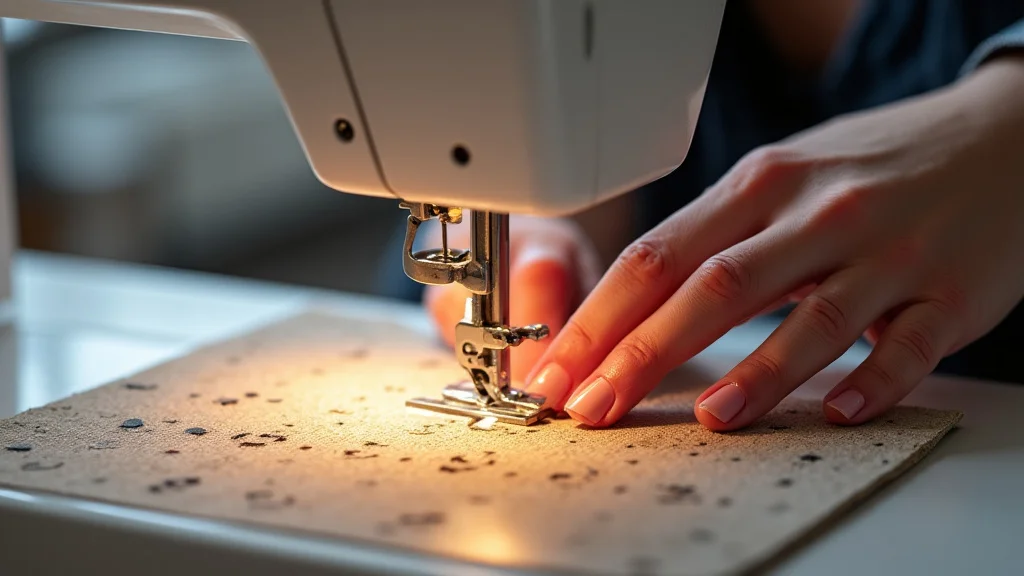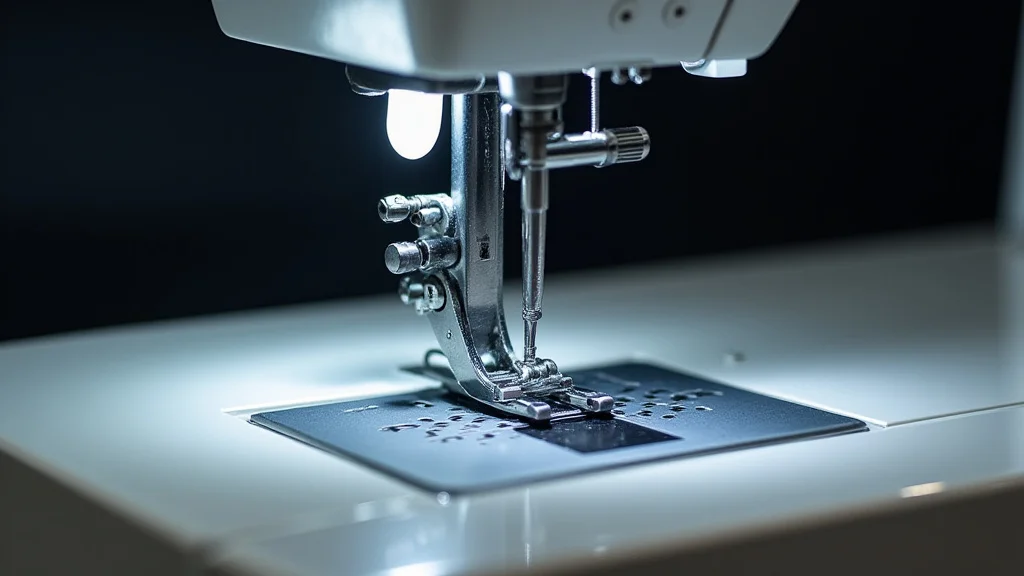
Ever tried sewing a heavy-duty leather bag with a regular home sewing machine? It’s like wrestling an alligator – frustrating and often unsuccessful. You need a sewing industrial foot. Think about it: crafting durable materials or completing complex projects demands the right equipment. This article is your guide to mastering the world of sewing industrial foot, transforming your sewing capabilities from amateur to professional. You’ll gain valuable knowledge that empowers you to select the right foot, troubleshoot common issues, and achieve flawless results. By the time you finish reading, you’ll be well-equipped to tackle any sewing challenge.
Key Takeaways
- Understand the various types of sewing industrial feet and their specific functions.
- Learn how to choose the correct foot for different materials and projects.
- Discover the benefits of using a sewing industrial foot for precision and efficiency.
- Troubleshoot common problems associated with industrial sewing feet and their solutions.
- Gain insights into proper maintenance and care to extend the life of your equipment.
- Explore advanced techniques and applications of industrial sewing feet.
Mastering the Fundamentals of the Sewing Industrial Foot
The sewing industrial foot is a specialized attachment for industrial sewing machines. Unlike home sewing machine feet, which are designed for lighter fabrics and simpler tasks, these feet are engineered for heavy-duty work. They are built to withstand the rigors of sewing thick materials, multiple layers, and complex designs. They are typically made from durable metals and feature a robust design to provide stability and precision, essential for achieving professional-quality results.
Types of Sewing Industrial Feet: An Overview
Several types of industrial feet are available, each with a specific purpose. Understanding these differences is key to achieving optimal results. The feet are designed to address the needs of different materials and sewing tasks. Choosing the right foot dramatically impacts your project’s outcome, from the quality of the stitches to the overall appearance. Here is a selection of the most common types of sewing industrial feet.
- Standard Presser Foot: This is the most common type, designed for general sewing tasks on various materials. It applies even pressure, feeding the fabric smoothly through the machine.
- Walking Foot: Also known as a “compound feed” foot, it moves the top layer of fabric in sync with the lower feed dogs. Excellent for multiple layers or materials that tend to shift.
- Roller Foot: Features rollers to reduce friction, making it ideal for leather, vinyl, and other sticky or difficult-to-feed materials.
- Teflon Foot: Coated with Teflon, this foot provides an ultra-slick surface, perfect for materials that tend to stick or drag.
- Zipper Foot: Designed to sew close to zippers, piping, and other raised edges. It allows the needle to pass closely without obstruction.
Knowing the differences is essential when selecting the appropriate sewing industrial foot for your project. Consider the fabric’s characteristics, the number of layers, and the desired outcome. For example, a leather project demands a roller foot or a Teflon foot, while multiple layers of heavy canvas are best handled by a walking foot. The right choice simplifies your work and significantly improves the final result.
Choosing the Right Foot for Your Project
Selecting the correct industrial foot goes beyond simply attaching it to your machine. It requires a thoughtful assessment of the project’s requirements, the materials used, and the desired outcome. The process involves more than just knowing the different types of feet. Each project presents unique challenges, and the right foot helps to overcome these obstacles. The choice significantly impacts the speed, quality, and overall success of your sewing tasks. Here is a step-by-step guide to help you choose the right foot for your project.
- Identify Your Material: Is it leather, vinyl, canvas, or something else? Understanding the material’s properties (thickness, texture, flexibility) guides your foot selection.
- Consider Layering: How many layers are you sewing? Multiple layers require feet designed for greater feed and pressure.
- Think About Stitching: Will you be sewing straight lines, curves, or other special patterns? Some feet are better suited for specific stitch types.
- Assess the Desired Result: Do you need precision, speed, or a specific finish? The choice of foot directly impacts these aspects.
For instance, sewing upholstery fabric would require a walking foot to feed the multiple layers of fabric evenly, while a zipper foot is necessary for sewing zippers. Always test your chosen foot and settings on a scrap piece of the same material before starting your project. This ensures a flawless finish and helps you avoid costly errors.
Advanced Techniques and Applications of the Sewing Industrial Foot
Once you are familiar with the basic functions of a sewing industrial foot, you can explore advanced techniques. This includes using specialized feet and mastering adjustments for complex projects. These techniques not only enhance your skills but also expand your creative possibilities. This exploration will allow you to complete intricate designs, work with challenging materials, and boost the overall quality of your work.
Working with Challenging Materials
Certain materials pose unique challenges when sewing. Leather, vinyl, and thick canvas, for example, can be difficult to feed evenly and consistently. The appropriate industrial foot significantly eases these challenges. By selecting the right foot and adjusting your machine’s settings, you can achieve professional results even with the toughest materials. The right foot transforms an impossible task into a manageable one. Here’s a guide to handling various challenging materials with precision:
- Leather: Use a roller foot or Teflon foot to reduce friction and allow smooth feeding. Adjust the stitch length to prevent the needle from tearing the leather.
- Vinyl: A Teflon foot is your best friend here. Its slick surface prevents the vinyl from sticking to the foot, ensuring consistent feeding.
- Thick Canvas: The walking foot is essential for evenly feeding multiple layers of canvas. Adjust the presser foot pressure to match the fabric’s thickness.
Always test your settings on scraps of the same material to ensure the needle and foot are correctly adjusted for your chosen material. Experiment with different stitch lengths and tension settings. These adjustments allow you to achieve the perfect balance between fabric feed and stitch formation.
Specialized Feet and Their Uses
Beyond the standard types, various specialized feet are available for specific applications. These feet are designed to streamline complex tasks, increasing efficiency and precision. By understanding these options, you can add new capabilities to your sewing repertoire. From creating decorative details to completing intricate tasks, these specialized feet are invaluable tools for various projects. Here’s a look at some specialized feet.
- Piping Foot: Used to insert piping smoothly along seams. It has a groove that guides the piping precisely, ensuring a clean finish.
- Binding Foot: Attaches pre-made binding tape to edges, creating a neat and professional finish.
- Gathering Foot: Creates gathers in fabric while sewing it to a flat piece, ideal for skirts, sleeves, and other designs with fullness.
- Blind Hem Foot: Used to create invisible hems, perfect for clothing and other projects where a clean edge is desired.
Specialized feet streamline complex tasks. Each foot has a distinct function, which adds to the range of achievable designs. Experiment with different feet to improve your skills and find the best fit for your projects.
Sewing Industrial Foot Troubleshooting and Maintenance
Just like any other tool, the sewing industrial foot requires careful maintenance and occasional troubleshooting. Knowing how to resolve common issues and keeping your feet in excellent shape ensures your sewing machine operates smoothly. Addressing these problems immediately can save time, improve your results, and extend the lifespan of your equipment. Effective maintenance is the key to achieving professional results and ensuring your sewing projects run smoothly.
Common Problems and Solutions
Even with the best equipment, problems can arise. Recognizing these issues early and knowing how to correct them can save you significant time and effort. Here’s a look at some common issues and how to troubleshoot them.
- Skipped Stitches: This happens when the needle fails to catch the bobbin thread. Check the needle type, needle position, and tension settings. Replace the needle if it’s damaged or worn.
- Uneven Feeding: The fabric isn’t moving through the machine consistently. Check the presser foot pressure, feed dog height, and the condition of the feed dogs. Adjust as needed.
- Thread Breakage: Threads continually snapping. Ensure the thread is correctly threaded, the tension is not too tight, and the needle isn’t bent or damaged.
- Material Sticking: The material gets stuck to the foot. Use a Teflon foot or apply a silicone spray to the foot’s surface.
Always consult your machine’s manual for specific troubleshooting steps. Clean and lubricate your machine and its components. Proper care is key to maintaining your equipment’s performance and longevity.
Maintenance Tips for Longevity
Regular maintenance ensures that your industrial sewing feet remain in excellent working condition. Proper care not only helps prevent problems but also extends the life of your equipment. Consistent maintenance ensures precision and improves the overall quality of your work. Here are some maintenance tips for ensuring your feet remain in peak condition.
- Clean Regularly: Remove any lint, thread, or debris that accumulates around the foot and feed dogs. Use a small brush or compressed air.
- Lubricate Moving Parts: Apply sewing machine oil to the moving parts of the foot and the machine. This reduces friction and prevents wear.
- Inspect for Damage: Check for any signs of wear, damage, or misalignment. Replace any worn or damaged parts immediately.
- Store Properly: When not in use, store your sewing industrial feet in a clean, dry place to prevent rust and corrosion.
These simple steps will significantly extend the life of your feet. These maintenance practices contribute to professional-quality results and a longer lifespan for your equipment.
Common Myths Debunked
Myth 1: All Industrial Feet Are the Same.
In reality, there are many different types of industrial feet, each designed for a specific purpose. There are standard presser feet, walking feet, roller feet, Teflon feet, zipper feet, and many more, each optimized for different materials or tasks. Choosing the correct foot is crucial to achieving high-quality results.
Myth 2: Industrial Feet Are Only for Professionals.
While often used by professionals, industrial feet can be extremely beneficial for anyone who sews, regardless of skill level. Even home sewers can significantly improve their projects’ precision, speed, and quality by using these specialized feet.
Myth 3: You Only Need One Type of Foot.
This is far from the truth. The range of feet available exists for a good reason. For example, a Teflon foot works great on sticky materials, and a walking foot is ideal for multiple layers. The variety ensures you can handle various projects with maximum efficiency.
Myth 4: Industrial Feet are Difficult to Use.
While industrial feet might seem intimidating, they are usually straightforward to use. Most feet are easy to attach and use. With practice and the right guidance, anyone can easily operate them and achieve improved results.
Myth 5: Industrial Feet Don’t Need Maintenance.
Like any equipment, industrial feet require some level of maintenance to function. Cleaning and lubricating the foot and the machine regularly will prolong the life of the foot and maintain top performance. Following a simple maintenance schedule will keep your feet in excellent working condition.
Frequently Asked Questions
Question: Can I use an industrial foot on my home sewing machine?
Answer: It is not generally recommended, as industrial feet are designed for industrial machines. They might not fit or work properly and could potentially damage your home machine.
Question: How do I know which sewing industrial foot to use for a specific fabric?
Answer: It depends on the fabric. A walking foot is great for multiple layers, a roller foot for leather, and a Teflon foot for sticky fabrics. Always test on a scrap piece of the fabric first.
Question: How often should I clean my sewing industrial foot?
Answer: Clean your feet after each project or frequently if you sew with materials that shed a lot of lint. Regular cleaning will prevent thread buildup and ensure smooth operation.
Question: Where can I buy a sewing industrial foot?
Answer: You can find them at sewing machine supply stores, online retailers specializing in sewing supplies, and some industrial equipment dealers.
Question: What’s the main advantage of using a sewing industrial foot?
Answer: The primary advantage is improved precision, especially when sewing heavy-duty materials or multiple layers. It provides greater control and results in a more professional finish.
Final Thoughts
Mastering the sewing industrial foot enhances your sewing abilities. By understanding the different types, selecting the right foot for the job, and practicing good maintenance habits, you can elevate the quality of your work. These feet allow you to work efficiently with various materials and tackling challenging projects. This expertise will make your projects smoother. From leather bags to heavy-duty canvas work, the right foot allows you to create professional results. Embrace the learning process, experiment with different feet and techniques, and watch your skills and the quality of your work improve. Enjoy the freedom of sewing with precision and confidence.