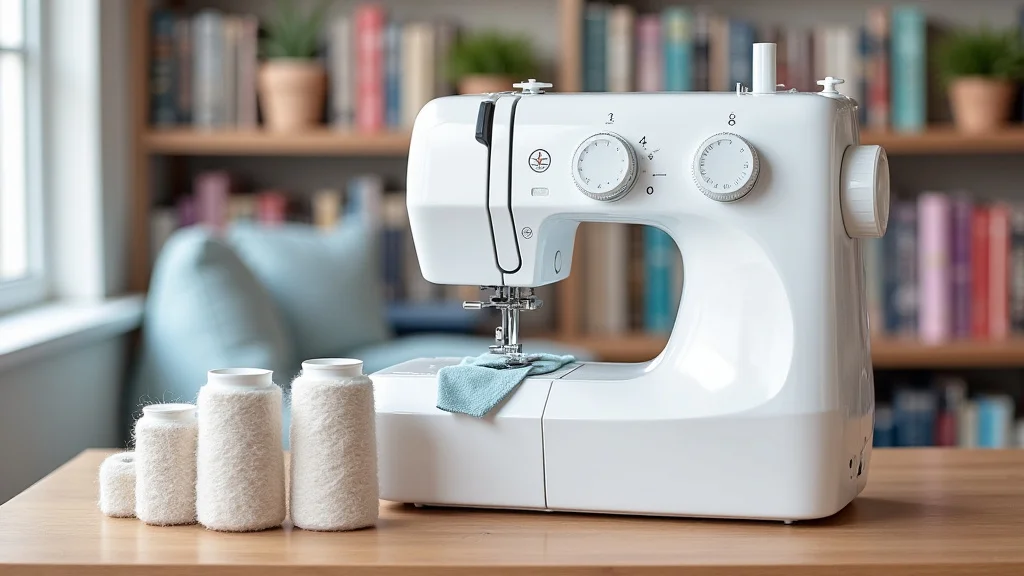
Remember that time you tried to hem those pants, and it ended up looking like a disaster? We’ve all been there! Finding the right space, and knowledge, can make all the difference. This guide explores the resources you need to create your perfect sewing hub, turning your creative visions into reality. You’ll gain insights into selecting the best equipment, mastering essential techniques, and organizing your workspace for maximum productivity. Prepare to elevate your sewing game and find inspiration for your next project!
Key Takeaways
- Discover the essential tools and equipment needed to establish your own sewing hub.
- Learn fundamental sewing techniques, from basic stitches to more advanced methods.
- Gain valuable tips on organizing your sewing space for efficiency and creativity.
- Explore project ideas that you can make in your new sewing hub.
- Find ways to improve your skills.
- Understand the basics of choosing materials.
Crafting Your Sewing Space
Creating a functional and inspiring sewing hub starts with designating a dedicated space. This can be a spare room, a corner of a guest room, or even a section of your living room. The key is to establish an area where you can leave your projects undisturbed, minimizing the time spent setting up and packing away. Think about your available space and how you can maximize it. Do you have room for a large cutting table or a smaller portable surface? Consider your storage needs and the types of projects you typically undertake.
Selecting Essential Equipment
The core of your sewing hub lies in the equipment you choose. A good sewing machine is the cornerstone. Invest in a machine that suits your skill level and intended projects. Beginners might choose a user-friendly machine with basic stitches, while experienced sewers may prefer a machine with a wider range of features. Besides the sewing machine, you’ll need a variety of other essential tools. These include a good iron and ironing board, a rotary cutter and cutting mat, a range of needles and pins, and, of course, a measuring tape. Quality tools often lead to better results and a more enjoyable sewing experience.
- Sewing Machine: Choose a machine based on your skill level, features, and budget. Features to consider include stitch options, buttonhole styles, and automatic threaders.
- Cutting Tools: Rotary cutters, scissors, and cutting mats are crucial for precise fabric cutting.
- Measuring and Marking Tools: A measuring tape, seam gauge, and fabric markers help ensure accuracy.
- Pressing Equipment: An iron and ironing board are essential for pressing seams and achieving a professional finish.
- Storage Solutions: Storage containers, shelves, and drawers keep supplies organized and within reach.
Your sewing machine is the heart of your workspace, so it deserves careful consideration. Different types of machines are available, including mechanical, electronic, and computerized models. Each has its advantages and disadvantages. Mechanical machines are typically more affordable and easier to maintain. Electronic machines offer more features, such as automatic buttonholes and stitch selection. Computerized machines provide the most advanced features, including a vast array of stitches and decorative options. Think about what projects you plan to undertake to inform your decision. If you plan to make basic garments or alterations, a mechanical or electronic machine might be sufficient. If you’re interested in quilting, embroidery, or other complex projects, a computerized machine might be a better choice. Be sure to test out different machines to make sure they feel right for you and your sewing style.
Precise fabric cutting is essential for a professional finish. A rotary cutter is a circular blade that rotates as you cut. This tool is ideal for cutting straight lines and curves, especially when paired with a cutting mat. A cutting mat provides a protective surface for your fabric and blades. This prevents the blade from damaging the table. Fabric scissors are also essential, typically used for cutting fabric, but should be used for fabric only. Different sizes and styles are available, so you can tailor your needs to your space. You’ll need smaller scissors for trimming threads and smaller details.
Precise measurements are fundamental to sewing success. A flexible measuring tape is indispensable for taking body measurements and measuring fabric. A seam gauge is a small ruler used to measure seam allowances, hems, and other small measurements. Fabric markers, such as pens or chalk, allow you to transfer pattern markings onto your fabric. There are also water-soluble and air-erasable fabric markers, which provide flexibility in the projects. Make sure that the markings can be removed safely without leaving stains.
Pressing is a crucial step in sewing, often overlooked but immensely important. Pressing helps set seams, create crisp edges, and remove wrinkles. An iron and ironing board are essential for this task. Select an iron with temperature settings for various fabric types. Use a pressing cloth to protect delicate fabrics from scorching. Always press seams open after sewing them and before continuing with the next step. Pressing throughout the sewing process will give your projects a clean, polished look.
Having an organized space is important for a productive sewing hub. Storage solutions, such as drawers, shelves, and containers, help keep your supplies organized. Use clear containers to store notions and supplies so that you can see what is in them. Label drawers and shelves to help you quickly find what you need. Invest in a sewing table or cabinet with built-in storage. Organize your fabrics by type, color, or project. An organized sewing space not only enhances your creativity, but also saves time, frustration, and increases the joy you get from sewing.
Creating an Efficient Workspace Layout
Once you have your equipment, consider the layout of your sewing space. Place your sewing machine on a table that is at a comfortable height. Make sure you have adequate lighting. Ideally, use a combination of natural and artificial light. Position your cutting table near your sewing machine for easy access. Organize your storage solutions to keep frequently used items close at hand. Ensure that there is adequate space to move around freely without obstacles.
- Ergonomics: Arrange your space to minimize strain on your body.
- Lighting: Good lighting is critical for precision and reduces eye strain.
- Organization: Keep your supplies organized to save time and reduce frustration.
- Accessibility: Keep frequently used items within easy reach.
Prioritizing ergonomics will reduce fatigue and keep you comfortable during long sewing sessions. Position your sewing machine at a comfortable height so that your arms are level with the tabletop. Use a chair that provides good back support. Make sure your lighting is adequate to prevent eye strain. Take breaks regularly to stretch and move around. Consider adding a foot rest to help promote better posture. An ergonomic sewing space will boost your productivity and allow you to enjoy your craft more.
Good lighting is crucial for your sewing success. The best source of light is natural light. Place your sewing area near a window, if possible. Supplement natural light with bright, adjustable artificial lighting. Consider using a task lamp that focuses light directly on your work area. Make sure that the light source is positioned to eliminate shadows that can make it difficult to see details. Proper lighting reduces eye strain, allows you to see small details, and minimizes errors.
An organized space is important for a productive sewing hub. Invest in storage containers, shelves, and drawers to store your sewing supplies. Organize your fabric by type, color, or project. Store threads, needles, and other small items in clear containers so that you can quickly see what you have. Label your containers and drawers to keep everything neat. An organized sewing space not only saves time but also reduces frustration and promotes creativity. When everything is in its place, you can spend more time sewing and less time searching for supplies.
Place the items you use most often within easy reach to make the sewing process more convenient. Position your sewing machine, cutting mat, and ironing board close together. Store threads, needles, and other small items near your sewing machine. Keep your measuring tape, scissors, and other essential tools readily available. This will save you time and enable you to create efficiently. The goal is to build an area that promotes productivity and ease of use.
Mastering Sewing Techniques
Once your space is ready, it’s time to work on your sewing skills. Start with basic skills and gradually learn more advanced techniques. Learning basic skills is a step-by-step process. You begin with the basics, such as threading a machine and winding a bobbin. Then you move on to learning about different types of stitches. Next you master the art of seam construction. Finally, you move to the more complex elements like hemming and finishing. Practice is the key to improving your sewing skills.
Essential Stitches and Seams
Understanding fundamental stitches and seams is vital. The straight stitch is the most basic stitch, used for most sewing tasks. The zigzag stitch is used to finish edges, prevent fraying, and add a decorative touch. Seams are the building blocks of any sewing project. Different types of seams are appropriate for various fabrics and projects. Practice sewing straight seams, zigzag seams, and various seam finishes to build your skills. Mastering these basic stitches and seams will allow you to create a wide variety of sewing projects.
- Straight Stitch: The foundation stitch for most sewing tasks.
- Zigzag Stitch: Used for finishing edges and adding a decorative touch.
- Seam Finishes: Techniques to prevent fraying and create durable seams.
The straight stitch is the cornerstone of all sewing projects. It is the most basic stitch on any sewing machine, used for joining fabric pieces together. The length of the stitch can be adjusted to suit the fabric and project. A shorter stitch length is generally used for delicate fabrics, while a longer stitch length is suitable for heavier fabrics. Practice sewing straight lines on scrap fabric to gain control and consistency. The key is to keep the fabric moving smoothly under the needle, maintaining a consistent seam allowance. Once you master the straight stitch, you’ll be well on your way to completing a wide variety of projects.
The zigzag stitch is a versatile stitch with multiple uses, including preventing edges from fraying. This stitch is important for finishing raw edges. It helps create durable seams. Adjust the width and length of the zigzag stitch to match the fabric type and desired effect. A narrow, close zigzag can be used on lightweight fabrics, while a wider stitch is better for heavier materials. The zigzag stitch can also be used for decorative purposes, such as topstitching, creating appliqués, and adding embellishments. Once you have a handle on the zigzag, your sewing options will expand.
Seam finishes are a key aspect of quality sewing. They are used to prevent raw edges from fraying and to increase the durability of your seams. Common seam finishes include the zigzag stitch, serged edges, and enclosed seams. The zigzag stitch is a simple way to finish edges and is suitable for most fabric types. A serger, or overlock machine, trims and stitches the edges in one go. Enclosed seams, such as French seams, are created by sewing the seam, trimming the seam allowance, and then encasing the raw edges within the seam. The choice of seam finish depends on the fabric type, the project, and the desired level of durability. A well-finished seam gives a polished look to any project.
Basic Sewing Techniques
Besides mastering basic stitches and seams, several basic techniques are essential to learn. These include how to thread the sewing machine, wind a bobbin, and adjust the tension. Learning how to cut fabric accurately is also very important. Learning about different types of hems and how to apply zippers will expand your sewing repertoire. Practicing these techniques will provide you with a solid foundation for more complex projects. Each skill builds on the last, so start with the basics and steadily learn more complex techniques.
- Threading the Machine: Properly threading your machine is essential for smooth stitching.
- Winding a Bobbin: A properly wound bobbin is crucial for consistent stitches.
- Cutting Fabric: Accurate cutting is key for a well-fitted garment.
- Hems and Zippers: Mastering hems and zippers will expand your sewing capabilities.
Threading your sewing machine properly is important. It ensures that the thread feeds correctly and prevents problems like thread jams or skipped stitches. Refer to your machine’s manual for detailed instructions. In general, the process involves placing the spool of thread on the spool pin, passing the thread through the upper thread guides, and threading the needle. Pay attention to the thread path to ensure that it’s correctly threaded through the tension discs. Regularly check the thread path and re-thread if necessary. Properly threading your machine is an important skill that will improve your sewing results.
A well-wound bobbin is important for even stitches and smooth sewing. The bobbin holds the lower thread that interlocks with the upper thread. First, place the bobbin on the bobbin winder spindle. Then, guide the thread through the thread guide and onto the bobbin. Ensure the thread is wound evenly around the bobbin. Most machines have an automatic bobbin winder that will stop when the bobbin is full. If your machine does not have an automatic function, stop winding when the bobbin is full. Make sure you use the right type of bobbin for your machine model. A properly wound bobbin will improve your sewing.
Precise fabric cutting is important for all sewing projects, including clothing and crafts. Use sharp fabric scissors or a rotary cutter and mat for accurate results. Place the pattern pieces on the fabric, and use weights or pins to hold them in place. Use the cutting tools to follow the pattern lines, making smooth, consistent cuts. Always cut on a flat, stable surface to prevent distortion. When cutting multiple layers of fabric, be sure to keep the layers aligned. Taking the time to cut accurately will improve the outcome of your projects. Good cutting skills will make sewing much easier.
Hems and zippers are two of the most common techniques used in garment sewing. A hem is the folded edge of a garment, used to finish the raw edge. Different types of hems can be used, including a simple turned hem, a double-fold hem, and a blind hem. Zippers are used to close openings in clothing. The process includes selecting the right zipper for your project, preparing the fabric, and sewing the zipper in place. Practicing these techniques will expand your sewing capabilities, and let you create more sophisticated projects. Be sure to explore different types of zippers and hems.
Improving Sewing Skills
Like any skill, practice is the key to improving your sewing skills. Start with small projects to build your confidence. Take classes or workshops to learn new techniques and receive feedback. Join a sewing group to meet and exchange ideas with other sewers. Don’t be afraid to experiment with different fabrics and techniques. Each project provides opportunities to learn. Take the time to learn from your mistakes. Embrace the process of learning and enjoy the reward of creating something beautiful.
- Practice: Consistent practice is essential for improvement.
- Classes and Workshops: Formal instruction can accelerate your progress.
- Sewing Community: Engaging with other sewers is a great source of inspiration.
- Projects and Experimentation: Trying new projects and experimenting with techniques.
Consistent practice is the foundation of sewing skill development. Set aside dedicated time to sew, even if it’s just for a few minutes each day. Start with small, simple projects to practice basic stitches and techniques. Gradually increase the complexity of your projects as you become more confident. Focus on specific skills you want to improve, such as straight seams or zipper insertion. Don’t be afraid to make mistakes. Learning from your mistakes is an important part of the process. The more you sew, the better you will become, as your skills will become more refined and your confidence will grow.
Classes and workshops offer valuable opportunities to improve your sewing skills. They provide structured learning, one-on-one guidance, and opportunities to learn new techniques. Whether you are a beginner or a skilled sewer, courses can help you expand your knowledge and skills. Local sewing studios, community centers, and online platforms offer a wide variety of classes, catering to different skill levels and interests. In a class, you’ll receive instruction from experienced sewers, and learn from others. Participating in workshops can introduce you to new projects and techniques. Formal instruction is a great investment in your sewing journey.
Participating in a sewing community is a great way to stay motivated and inspired. Join a local sewing group, online forum, or social media group to connect with other sewers. Share your projects, ask questions, and get feedback. Learn from the experiences of others and discover new techniques and ideas. Sewing communities provide support, encouragement, and a sense of belonging. They are a great source of inspiration. Sewing with others can turn a solo activity into a social one, helping make the sewing experience more enjoyable. The shared passion for sewing will keep you motivated.
Experimentation is essential for developing your sewing skills. Explore new projects and learn new techniques. Try working with different fabrics, patterns, and embellishments. This will help you expand your abilities and develop your creative voice. Don’t be afraid to step outside of your comfort zone and tackle projects that challenge you. This can include sewing garments with complex construction, trying new types of seams, or experimenting with fabric manipulations. Every project offers a chance to learn and grow. Learning from mistakes is important. Embrace the process of experimentation and enjoy the joy of discovering new things.
Planning and Organizing Projects
Successfully completing a sewing project requires careful planning and organization. Before starting any project, gather all the necessary materials, including fabric, patterns, notions, and tools. Read the pattern instructions carefully, and understand the construction process. Pre-wash your fabric to prevent shrinkage after the garment is made. Mark pattern pieces accurately on the fabric and cut them with care. By following these steps, you can set yourself up for a successful sewing experience.
Choosing the Right Project
When starting a new project, choose something that matches your skill level and interests. Beginners may choose simple projects, like a pillowcase or tote bag. As you gain skill, you can advance to more complex projects, such as clothing or quilts. Consider the time you have available to dedicate to the project. Research different patterns and choose one that appeals to you. Select a project that inspires you and motivates you to sew. Do not get discouraged if your first attempt is not perfect. Focus on learning from the experience.
- Skill Level: Choose projects that align with your experience.
- Time Commitment: Factor in the time required for each project.
- Interests: Select projects that align with your personal style.
- Pattern Selection: Find patterns with clear instructions and helpful diagrams.
It’s important to choose sewing projects that are appropriate for your skill level. Start with simple projects that you can complete with ease. Pillowcases, tote bags, and simple skirts are ideal for beginners. As you gain confidence and skill, work your way to more complex projects. If you’re a beginner, avoid projects that involve advanced techniques. This will ensure success. Choose projects that challenge you while still allowing you to build your skills. Select patterns with clear instructions and a reasonable number of steps. Doing so will help make the experience fun.
When selecting a sewing project, consider the amount of time required for its completion. Some projects, such as a simple scarf, can be finished quickly, while others, like a quilt, can take weeks or months. Estimate the time needed for each project step, including cutting, sewing, and finishing. Keep your schedule in mind. Choosing projects that fit into your available time will help you avoid feeling overwhelmed and ensure you complete the project. Make time for your project by breaking it down into smaller, manageable steps. Setting realistic goals will keep you motivated.
Choose projects that reflect your personal interests and style. Do you enjoy making clothing, home decor, or accessories? Do you like working with particular fabrics or techniques? Selecting projects you enjoy will boost your inspiration. Browse patterns and fabric stores and look for projects that spark your curiosity. This can inspire you to try new things and develop your skills. When you select projects that reflect your passions, you are more likely to stay motivated, and enjoy the process. The process of sewing should always be enjoyable.
The instructions in a sewing pattern are your guide to a successful project. Take the time to read the pattern instructions and examine the diagrams before you start. Clear instructions, along with helpful diagrams, are important, and make the sewing process easier. Make sure the instructions match your skill level. If you are a beginner, choose patterns with simpler instructions and fewer steps. Look for patterns with thorough descriptions of each step. Reading reviews of the pattern can give you a feel for how easy it is to follow. Good patterns are the base for success.
Managing Materials
Managing your materials is a key part of the sewing process. Before beginning your project, gather all of the necessary materials, including fabric, thread, patterns, and notions. Pre-wash your fabric to prevent shrinkage. Measure your fabric accurately to ensure you have enough for your project. Keep your materials organized and accessible in your sewing hub. This will save you time and help you to avoid mistakes. Make a checklist of all the materials you will need to ensure that you are prepared. This will keep you organized.
- Fabric Preparation: Pre-wash fabric to prevent shrinkage and bleeding.
- Cutting and Marking: Accurate cutting and marking are essential for success.
- Notions and Tools: Organize and have necessary notions and tools.
- Fabric and Pattern Storage: Store your fabric and patterns safely.
Pre-washing your fabric is an important step in sewing, as it prevents shrinking and color bleeding after your garment is finished. Wash your fabric according to the care instructions on the fabric label. Use a gentle detergent and avoid using fabric softener, which can interfere with the stitching process. Tumble dry on low heat or hang your fabric to dry. Once the fabric is dry, iron it to remove wrinkles. Pre-washing ensures that your finished project maintains its shape and color. You should do this before cutting your fabric.
Accurate cutting and marking will help you achieve a well-constructed garment or project. After pre-washing, iron your fabric to remove wrinkles and lay it flat on a cutting surface. Place the pattern pieces on the fabric, following the grain line. Use weights or pins to keep the pattern pieces in place. Cut around the pattern pieces, using sharp fabric scissors or a rotary cutter. Be sure to mark all pattern markings, such as darts, notches, and buttonholes, on the fabric. Use a fabric marker or chalk, and make sure to use a color that contrasts with the fabric. Always cut your fabric accurately.
When it comes to sewing, having the right notions and tools is critical. These items include needles, thread, scissors, pins, measuring tape, and other items. Organize your notions and tools to have them close at hand during the sewing process. Store your needles and pins in a pin cushion or magnetic holder. Keep your thread organized by color or type. Keep all of your tools and notions in your sewing area, so they’re always accessible. Taking the time to keep your tools organized will make your sewing tasks easier. Doing so will improve your work.
Proper storage is important for your fabric and patterns. Store your fabric in a cool, dry place away from direct sunlight. Consider storing your fabric on shelves or in drawers, organized by type or color. Use acid-free tissue paper or plastic bins to prevent your fabric from fading, or getting damaged. Store your patterns in a labeled file folder or binder. This will help you find them easily. Keep your patterns organized to protect them and extend their life. Taking these steps will help you protect your investment.
Organizing Your Workflow
Organizing your workflow streamlines the sewing process and promotes efficiency. Break down the project into smaller, manageable steps. Create a checklist to track your progress and stay organized. Sew similar steps together to save time. Set realistic goals for each sewing session. Take breaks to stay refreshed and focused. Maintain an organized sewing hub to help keep your workflow organized. Organizing your workflow will help you to create beautiful projects efficiently.
- Project Breakdown: Break projects into smaller, manageable steps.
- Checklists and Progress: Use checklists to track your work.
- Batch Sewing: Sew similar steps in batches.
- Environment: Maintain a clean and organized workspace.
Breaking your project down into smaller, manageable steps is essential. This can reduce the feeling of being overwhelmed. Start by reading the pattern instructions from start to finish. Identify the various steps required to complete the project, and then create a list or plan. For each step, estimate the time and materials needed. Breaking down the project into smaller pieces makes the process less stressful. Then you can work step-by-step. Celebrate each completed step, which will help you stay motivated.
Create checklists to track your progress. Before beginning the project, create a detailed checklist of all the steps involved. As you work through the steps, check them off as completed. This can help you stay organized and ensure that you don’t miss any steps. Use a progress chart to track your progress and to see how much of the project is complete. Checklists are useful for both beginners and experienced sewers, which help to ensure that projects run smoothly. Checklists and progress charts are a great way to stay organized.
Batch sewing involves completing similar tasks together. This can save you time. For instance, if the pattern calls for multiple seams, sew all those seams at once. If you’re working on a garment, sew all of the same components before sewing others. Doing the same task repeatedly can improve your efficiency and consistency. Doing so helps you focus on each step, rather than having to set up the machine or the workspace multiple times. Batch sewing is a great way to save time and work effectively on your project.
Maintain a clean and organized sewing hub to help your workflow. Clear your work surface before beginning a new task. Put away tools and materials that you’re no longer using. Store fabric scraps and thread ends. Keeping your workspace neat and tidy will help you remain focused. It prevents distractions, and will keep your space conducive to creativity. Regularly clean your sewing machine, iron, and cutting tools. An organized workspace leads to a productive sewing experience, and enhances your creativity.
Materials Selection: Fabric, Threads, and Notions
Selecting the right materials is crucial for a successful sewing project. Consider the project requirements and choose fabrics that are appropriate for the design. The weight, drape, and texture of the fabric affect the final appearance of your project. Select the correct threads for your fabrics, as different threads are ideal for various fabrics. Choose the appropriate notions, such as zippers, buttons, and elastic, to match your project.
Choosing Fabric
Fabric selection is a fundamental aspect of sewing. Consider the project type. Choose fabrics that are appropriate for the design and intended use. Consider the weight of the fabric. Lightweight fabrics are appropriate for dresses and blouses. Heavier fabrics are more appropriate for coats. Think about the fabric’s drape. Choose fabrics that drape well for flowing garments. Think about the texture of the fabric. The fabric’s texture influences the look and feel of the finished product. Consider the color and pattern of the fabric, which should complement your design and personal style.
- Project Requirements: Choose fabric based on the project.
- Fabric Weight: Heavier fabrics for structured garments; lighter for flowy.
- Fabric Drape: Drape affects the way fabric falls and hangs.
- Fiber Content: Natural and synthetic fiber content effects a fabric’s properties.
Fabric selection is linked to the kind of project you have in mind. Different projects require different fabric characteristics. Garments require fabrics that can be worn. For clothing, consider the garment’s design, style, and use. Look for fabrics that have the necessary weight, drape, and stretch. For home décor projects, choose fabrics that are durable and easy to maintain. Consider the color, pattern, and texture of the fabric. Fabrics should complement the design. If you’re unsure, ask for advice from a fabric store expert. Choose fabrics that fit the project.
Fabric weight is an important consideration when selecting the right fabric. It’s the measure of how thick and heavy a fabric is. Choose fabrics that have the right weight for your project. Heavier fabrics, such as denim or canvas, are perfect for structured garments like jackets and coats. Lighter fabrics, like silk or chiffon, are better for flowy garments. The fabric’s weight influences the drape, durability, and how it holds the shape. When choosing, consider the intended use of the garment. Lighter weight fabrics may need an underlining.
Drape influences how a fabric hangs and falls. It describes how well a fabric conforms to a shape. A fabric with good drape will have a fluid and graceful movement. Choose fabrics that have the appropriate drape for the project. For garments with a flowing silhouette, choose fabrics with good drape, such as silk or rayon. Fabrics with less drape, such as cotton or linen, are well-suited for more structured designs. Fabric drape influences the overall look of the finished project.
The fiber content of a fabric can influence its properties, such as its weight, drape, and care requirements. Natural fibers, such as cotton, silk, and wool, are known for breathability and comfort. Synthetics, such as polyester and nylon, are often more durable and wrinkle-resistant. Blended fabrics combine the benefits of natural and synthetic fibers. When choosing a fabric, consider the fiber content. Consider the fabric’s intended use and the desired characteristics. Consider the care instructions. The fiber content affects how a fabric looks, feels, and performs.
Selecting Threads
The correct thread selection is important for a successful sewing project. Select threads that complement your fabric. Choose thread colors that match or complement the fabric. Use the right thread weight for your fabric. Match the thread type to your fabric type. Choose the appropriate thread for the sewing machine and the type of project. Select the right needle for your machine and thread.
- Thread Type: Choose the right thread to match the fabric and project.
- Thread Weight: Use the appropriate thread weight for your fabric.
- Thread Color: Select thread colors that match or complement your fabric.
- Thread Quality: High-quality threads make for smoother sewing.
Choosing the right thread is important for successful sewing. Select the thread that suits the type of fabric and the type of project. Cotton thread is a versatile choice for many projects. Polyester thread is strong and durable. Silk thread is best for delicate fabrics. Consider the sewing machine when choosing your thread, as some machines work better with specific thread types. If the project will get wet or exposed to sunlight, choose a durable thread. Match the thread to the fabric.
Thread weight refers to the thickness of the thread, measured by the number of yards per pound. The weight of the thread should be appropriate for the fabric. Use a finer thread for delicate fabrics and a heavier thread for heavier fabrics. This ensures that the seams are strong and the thread doesn’t overpower the fabric. A heavier thread, such as topstitching thread, can be used for decorative stitching. Using the appropriate thread weight will enhance your projects.
The color of the thread will impact the finished look of the project. Choose thread colors that match or complement your fabric. Consider the design of your project. If you are sewing a garment, the thread color can match or coordinate with the fabric. Use a neutral color, such as white, black, or grey. Consider using a contrasting color. A contrasting thread can add visual interest. Select thread colors that are appropriate for the project. When choosing the thread color, think about its impact on the project.
High-quality threads provide smoother sewing and better results. Invest in threads made from quality materials. Choose threads that are strong and durable. Look for threads that are less likely to break or fray during sewing. High-quality threads provide better stitch definition and a professional finish. Quality threads are wound evenly on the spool. The best threads are less likely to break or cause issues when sewing. Quality threads are well worth the investment.
Choosing Notions
Selecting the right notions is critical for a well-made project. Choose the correct zippers, buttons, and elastic for your design. Ensure that the notions complement your project. Select the appropriate sizes and types of notions. Ensure that the notions are durable and functional, and appropriate for the intended use. Choose notions that match the style of the project and complement the fabric.
- Zippers: Choose the right type and length of zippers for your project.
- Buttons: Choose buttons that match the style and use of the project.
- Elastic: Use elastic for fit and comfort.
- Interfacing: Use interfacing to provide structure and support.
Zippers are a key notion. Choose the right type and length for your project. There are various types of zippers available, including coil zippers, invisible zippers, and metal zippers. The zipper you select should be suited for the type of garment or project you’re working on. Measure the opening where the zipper will be placed to determine the correct length. The color of the zipper should match the fabric or complement the overall design. Different zipper feet are available for various zipper types.
Buttons are a functional and decorative notion. Select buttons that are suitable for the style and purpose of the project. There is a wide range of styles available, including classic, decorative, and specialty buttons. Choose buttons that complement the fabric. Consider the size, shape, and material of the buttons. They should be appropriate for the type of garment or project. Ensure that the buttons are durable and securely attached to the garment. The right buttons will enhance the look and functionality of the finished piece.
Elastic is a crucial notion in many sewing projects, adding fit and comfort. Different types of elastic are available. They include woven, braided, and knit elastic. Choose the right elastic for your project. The width of the elastic will be determined by the garment’s design. The type of elastic you choose will impact the final look and feel of the garment. For waistbands, choose elastic that is wide and strong. Ensure that the elastic is durable and holds its shape. Elastic comes in many forms.
Interfacing provides shape and support to different parts of a garment. It’s a key notion, and it provides structure and stability to specific areas. Interfacing is often used in collars, cuffs, and waistbands. Different types of interfacing are available. They include woven, non-woven, and fusible. Choose the interfacing type that is appropriate for the fabric and the project’s design. The type of interfacing will affect the way the finished garment drapes. Fusible interfacing is attached to the fabric with heat. Non-woven interfacing provides a more stable finish.
Common Myths Debunked
Myth 1: Sewing Machines Are Complicated and Difficult to Use.
Many people believe that sewing machines are too complicated for the average person. However, today’s sewing machines are designed to be user-friendly. Many models feature automatic settings, easy threading systems, and intuitive interfaces. With basic guidance and some practice, anyone can learn to use a sewing machine and create beautiful projects. Many online tutorials and sewing classes are available.
Myth 2: Sewing Is Only for Professionals and Experts.
Some people think that sewing is only for experienced professionals, but it is a hobby for all skill levels. Sewing is for anyone willing to learn and enjoy the process of creating something new. There are a variety of projects for beginners. As you develop your skills and confidence, you can move on to projects that are more advanced. With the right tools and guidance, sewing can be a rewarding hobby. Sewing can be enjoyed by anyone.
Myth 3: Sewing Is an Expensive Hobby.
The cost of sewing can vary depending on the equipment and projects. While high-end sewing machines and specialized fabrics can be expensive, there are many ways to sew on a budget. Used sewing machines are often available at affordable prices. You can start with basic equipment and build your collection over time. Thrift stores and fabric sales can provide low-cost fabric options. It’s possible to sew affordably.
Myth 4: You Need a Lot of Space for a Sewing Hub.
Many believe that a large, dedicated space is needed for a sewing hub. The space needed for a sewing hub depends on your needs. Even a small corner of a room, a folding table, or a portable storage unit can be sufficient. You can organize