Picture this: you’re planning an outdoor adventure, maybe a camping trip or a hike. You’ve got your gear ready, but your trusty backpack is showing signs of wear and tear. You realize you could repair it, or even create your own custom bag, using durable materials. This is where sewing 600D canvas comes into play, offering a strong and reliable fabric perfect for various projects. This guide will explore the ins and outs of working with this versatile material, from choosing the right needles to mastering essential stitches, providing you with the knowledge to create your own long-lasting items. You’ll gain valuable insights, equipping you with the skills to confidently tackle a range of projects using 600D canvas. Prepare to improve your skills and get creative!
Key Takeaways
- Learn the essential properties and uses of 600D canvas fabric.
- Discover the ideal sewing tools and equipment for working with this material.
- Master fundamental sewing techniques and stitches applicable to 600D canvas.
- Explore project ideas, from bags and covers to outdoor gear.
- Understand techniques for reinforcing seams and increasing the durability of your creations.
- Gain valuable tips on how to prepare and maintain 600D canvas for the best results.
Understanding 600D Canvas and Its Applications
600D canvas is a heavy-duty fabric frequently used in products requiring strength and resistance to wear and tear. It’s constructed from tightly woven polyester or nylon fibers, providing a rugged and durable material that withstands harsh conditions. The “600D” refers to the denier, a unit of measurement that indicates the weight of the fabric’s fibers; the higher the denier, the stronger and more substantial the material. This makes 600D canvas a preferred choice for outdoor gear, bags, and protective covers. Learning the properties of this fabric will help you make better decisions for your own projects.
Properties of 600D Canvas
The strength of 600D canvas stems from its unique properties. It is resistant to abrasions, tears, and water, making it a good choice for items that need to endure the elements. Furthermore, the material is relatively easy to work with compared to other heavy-duty fabrics, offering a good balance between durability and manageability. Its tightly woven construction allows for effective printability and dye absorption, which allows for customization through various methods. Understanding these aspects provides a foundational knowledge of the material.
- Durability: 600D canvas is built to last, handling wear and tear associated with regular use. The tight weave of the fabric ensures it is resistant to abrasion, making it ideal for items that experience frequent contact with surfaces.
- Water Resistance: Most 600D canvas fabrics are treated to repel water, keeping your gear safe and dry. This water resistance is essential for outdoor equipment such as tents, covers, and bags.
- Versatility: Its adaptability makes it suitable for a variety of projects, from simple pouches to complex outdoor gear. Its adaptability stems from its balance of strength and manageability.
- Ease of Sewing: Despite its strength, 600D canvas is relatively easy to sew, especially with the right tools. It can be sewn by basic home sewing machines with the correct needle and thread.
This is crucial for items like backpacks and duffel bags, which often encounter rough terrain.
A waterproof coating can be applied for enhanced protection against moisture and the elements.
The fabric can be used for sewing, crafting, and even printing custom designs.
This means that more and more people can start to work with this fabric.
Common Uses of 600D Canvas
The applications for 600D canvas are widespread. It’s often found in backpacks, travel bags, and sports equipment due to its ability to handle heavy loads and resist wear. The fabric is also used to create protective covers for equipment like lawnmowers, grills, and other outdoor items. Its ability to withstand sun and rain also makes it a good material for awnings and outdoor furniture. Learning about these common uses can inspire you for your own projects.
- Bags and Backpacks: 600D canvas is a go-to material for creating durable backpacks, duffel bags, and travel bags. The strength and wear resistance can handle heavy loads.
- Outdoor Gear: This canvas is used in tents, tarps, and other outdoor gear, which can withstand weather and harsh environmental conditions. The water resistance and strength of 600D canvas are essential for surviving the outdoors.
- Protective Covers: The fabric is used for making covers for various items, protecting them from the sun, rain, and other environmental damage. These covers can extend the lifespan of your valuable possessions.
- Accessories: This material is ideal for making various accessories, such as tool pouches, camera bags, and laptop sleeves. Its versatility allows it to be customized to meet specific needs.
The fabric’s ability to resist abrasion makes it ideal for bags that often encounter rough surfaces.
Its durability makes it great for outdoor adventures.
You can use it for your lawnmower, grill, or other outdoor furniture.
You can create a range of useful items with 600D canvas.
Essential Tools and Equipment for Sewing 600D Canvas
Working with 600D canvas demands specific tools and equipment to guarantee a clean, professional finish. Having the right tools makes the sewing process more effective and allows you to work with the fabric’s thickness and strength. This section covers what you will need for your 600D canvas projects, ensuring you are well-equipped to undertake tasks of any scale.
Needles and Thread
The correct needle and thread are important for success. A size 16 or 18 universal needle, or a specialized heavy-duty needle, is recommended for this thick fabric. Matching thread in a durable material, such as polyester or nylon, can handle the stresses associated with outdoor gear. Choosing the right needle and thread guarantees robust seams that match the fabric’s strength.
- Needles: Use heavy-duty needles size 16/100 or 18/110. A universal needle will work, but a specialized needle designed for heavy fabrics is better. Choose needles appropriate for the fabric’s thickness.
- Thread: Polyester or nylon thread is the best choice for this material. These threads are known for their high tensile strength and resistance to abrasion.
- Thread Tension: Properly adjusting the thread tension on your sewing machine is key to creating neat and durable seams. Experimenting on scrap fabric will help you achieve the best results.
- Needle Size to Thread Match: Make sure the needle size matches the thickness of the thread. A needle that is too small for the thread can lead to thread breakage, whereas a needle that is too large can create oversized holes.
These needles are made to pierce the fabric without breaking or bending.
Choose a thread color that matches your fabric or use a contrasting color for a design element.
If the thread tension is too loose, the stitches may unravel. If the thread tension is too tight, it can cause the fabric to pucker.
This match ensures clean stitches and avoids damage to the fabric.
Sewing Machine and Accessories
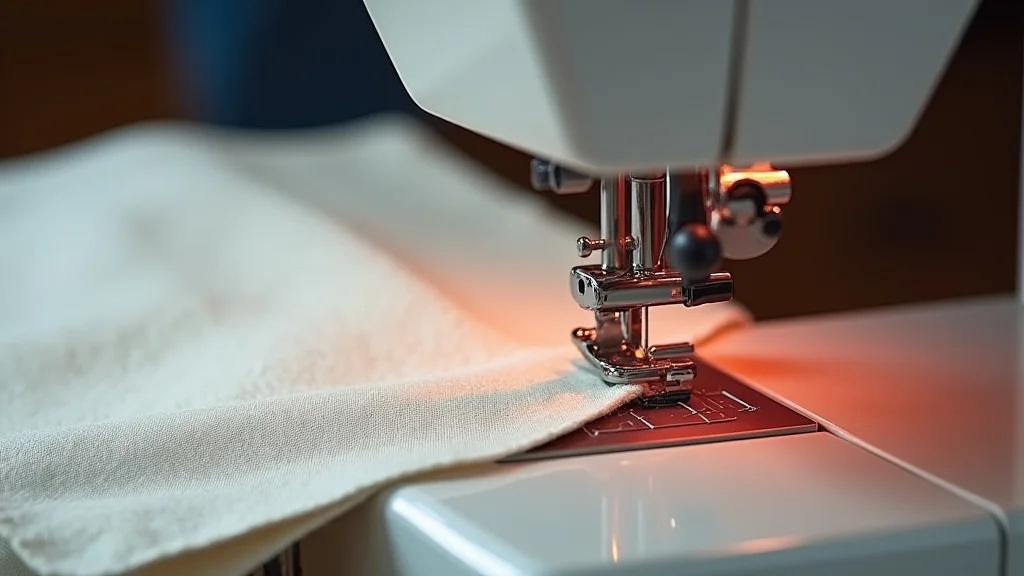
Even though 600D canvas is heavy-duty, many home sewing machines can handle it. If you plan to work on large or frequent projects, consider a machine with a powerful motor and ample throat space. Having the appropriate accessories, such as a walking foot and heavy-duty scissors, can significantly impact your efficiency. Having the right sewing machine and accessories helps you to work efficiently and achieve professional results.
- Sewing Machine: A domestic sewing machine with a powerful motor is a good place to start. A machine with a metal body is more likely to handle the strain of sewing 600D canvas.
- Walking Foot: A walking foot is a sewing machine foot that helps feed the fabric evenly through the machine. It is a necessary tool, especially when sewing layers of heavy fabric like canvas, to avoid shifting and puckering.
- Scissors and Rotary Cutter: Sharp, heavy-duty scissors or a rotary cutter with a new blade are essential for accurately cutting this tough fabric. Make sure your cutting tools are up to the task to prevent uneven edges and frayed seams.
- Other Useful Tools: Pins or clips to hold the fabric layers together, a seam ripper to remove errant stitches, and a fabric marker to mark your cutting and sewing lines. A thimble can protect your fingers when hand-sewing.
If you’re sewing large projects or working with the fabric often, a heavy-duty industrial sewing machine would be better.
The walking foot moves the top layer of fabric in sync with the bottom layer, preventing the fabric from slipping.
You can use a self-healing cutting mat to protect your work surface.
All these tools provide convenience and aid in the sewing process.
Sewing Techniques for 600D Canvas
The core sewing techniques for 600D canvas involve a few basic approaches that, when mastered, allow for a range of projects. Choosing the right stitches, reinforcing seams, and preparing the fabric are all parts of the process. Understanding these techniques can help you achieve professional and durable results. This section will guide you through the fundamental methods necessary for successful 600D canvas projects.
Essential Stitches
Selecting the right stitches is essential for creating durable seams in 600D canvas. A straight stitch is the basic foundation, providing a solid seam. A zig-zag stitch adds flexibility and can prevent fraying, while a reinforced stitch, like a triple stitch, adds extra strength to high-stress areas. Knowing these stitches will provide a foundation for your projects.
- Straight Stitch: The straight stitch is the workhorse of sewing. Use it for most seams where high strength is needed.
- Zigzag Stitch: The zigzag stitch is useful for finishing edges to prevent fraying and can also be used for seams that need some flexibility.
- Reinforced Stitches: For added strength in areas that will experience stress, consider using a reinforced stitch, such as a triple stitch. This type of stitch sews three stitches in the same place.
- Seam Allowance: Maintain a consistent seam allowance throughout your project for accurate results and neat edges. A larger seam allowance will add to the strength of your seam, but this depends on your project.
Adjust the stitch length to a slightly longer setting, but make sure the stitches are not so long they compromise the seam’s durability.
Vary the width and length of the zigzag for different purposes; a wider, shorter zigzag can make a stronger seam.
These stitches are useful for seams like straps and the bottom of bags.
Using a guide on your sewing machine can help you keep a straight, even seam allowance.
Reinforcing Seams and Edges
Reinforcing seams and edges is important for increasing the longevity of your projects, especially those that will encounter stress or heavy use. You can increase strength by using a double seam or adding binding to edges to prevent fraying. Also, paying special attention to stress points, such as handles or the bottom of bags, can ensure they last longer. By following these steps, you can create pieces that are built to last.
- Double Seams: Sewing two parallel seams provides extra reinforcement to high-stress areas. This technique is often used in constructing bags and straps to increase their load-bearing capacity.
- Edge Binding: Binding the edges of your canvas with bias tape or another fabric prevents fraying and offers a clean, finished appearance. This technique also improves the durability of the edges.
- Box Stitching: Box stitching is used to reinforce stress points, particularly corners of bags or around handles. It involves stitching a square or a rectangle, then adding an “X” stitch across it.
- Reinforced Corners: The corners of bags and other items are often subject to a lot of stress. Fold the corners and stitch them several times to create extra strength.
Make sure your seams are close together and parallel for maximum effectiveness.
Use a binding foot or carefully pin the binding in place before stitching for the best results.
This adds extra reinforcement to areas that experience the most wear.
You can also add a small piece of canvas inside the corner as reinforcement.
Creative Projects Using 600D Canvas
The versatility of 600D canvas offers many opportunities for your own projects. From functional bags to outdoor gear, the fabric’s strength and weather resistance make it ideal for a variety of tasks. Whether you’re a beginner or an experienced sewer, the projects mentioned below will inspire you to try out 600D canvas. Explore different options and apply the skills you have learned to create unique and durable items.
Bag and Backpack Projects
Creating bags and backpacks is a classic use of 600D canvas. The fabric’s toughness and water resistance make it ideal for items that withstand daily use and outdoor adventures. Start with a simple tote bag or pouch, and then work your way up to more complex projects like a backpack. The goal is to start with something small and then expand as your skills improve.
- Tote Bag: Simple to make, tote bags are an excellent entry point. Use basic straight stitches and reinforce the handles for greater durability.
- Drawstring Backpack: A lightweight and versatile option. These bags require basic sewing skills, but their simplicity makes them good for practicing essential techniques.
- Duffel Bag: More complex than a tote bag, duffel bags are a great next step. Concentrate on sturdy handles and a reinforced bottom for increased strength.
- Backpack: More advanced, backpacks involve designing a pattern and assembling various components. Consider adding multiple pockets and adjustable straps.
You can add pockets inside or outside for extra functionality.
Reinforce the drawstring openings to prevent wear.
You can add pockets, zippers, and other features as you grow more experienced.
Ensure you reinforce the straps and the back panel for comfort and durability.
Outdoor Gear and Accessories
600D canvas is also excellent for outdoor items, which can endure the elements and harsh conditions. From protective covers to storage solutions, you can create gear that enhances outdoor experiences. These projects provide opportunities to use your skills and enhance your outdoor experiences. These projects are helpful for your camping trips or daily use.
- Camp Stove Cover: Protect your camp stove from weather and damage by creating a custom cover with the right dimensions. Add a zipper or velcro closure for easy access.
- Tool Roll: A tool roll is a simple project, offering a way to organize and protect your tools. You can include pockets of various sizes and secure closure methods like straps.
- Gear Organizer: For camping or general use, gear organizers are extremely useful for organizing and keeping your gear separate and protected. You can customize them to your needs, adding dividers, zippers, and handles.
- Hammock: You can create a simple hammock using two large pieces of canvas. Make sure you use strong rope or webbing for hanging, and reinforce the edges where the suspension will attach.
Ensure that the cover is waterproof to protect the stove in rain and snow.
Choose a durable thread and reinforce the pockets to handle the weight of the tools.
Design it to fit the specific items you want to organize.
Ensure your design is reliable and secure for safe use.
Myth Debunking
Myth 1: 600D Canvas is Impossible to Sew on a Home Machine
The reality is that 600D canvas can be sewn using a domestic sewing machine, provided that you have the correct needle, thread, and settings. Many home machines have enough power to handle the fabric. The key is to use the right needle size (16 or 18) and a strong polyester or nylon thread. Moreover, a walking foot can help to feed the fabric evenly through the machine, preventing the material from slipping. With the right preparation, sewing 600D canvas is possible on a home machine.
Myth 2: Any Stitch Will Do for 600D Canvas
The truth is that not all stitches are equally suited for 600D canvas. While a simple straight stitch can be used, it’s best to reinforce high-stress areas with stronger stitches like double seams or a triple stitch. Furthermore, using a zigzag stitch along edges can prevent fraying, increasing the longevity of the project. Choosing the right stitch and reinforcing critical areas is important for the durability of your creations.
Myth 3: 600D Canvas is Always Waterproof
Although 600D canvas is generally water-resistant, it is not always entirely waterproof without additional treatment. Many types of 600D canvas have a water-resistant coating, which repels water to a certain degree. However, to make the fabric truly waterproof, further treatments like seam sealing and the application of waterproof coatings are needed. It is best to check the specifications of your canvas to determine its water resistance and add treatments as required.
Myth 4: Pre-Washing 600D Canvas Is Unnecessary
The misconception is that pre-washing 600D canvas isn’t needed due to the fabric’s stability. However, while 600D canvas generally has minimal shrinkage, pre-washing is still advisable, particularly if you’re mixing it with other fabrics. This will help prevent any slight shrinkage after the project is done. Pre-washing also removes any finishes or residues that could interfere with sewing or finishing. Following this approach ensures that your project stays true to its design.
Myth 5: All 600D Canvas Is the Same
The reality is that 600D canvas comes in many types, each with its own characteristics. Some are made of polyester, some of nylon, and some are treated for water resistance or UV protection. The weave and coating can also differ, affecting the fabric’s strength, appearance, and suitability for different tasks. Knowing the specific properties of your canvas allows you to choose the best techniques and tools for a successful project.
Frequently Asked Questions
Question: Can I use a regular sewing machine for 600D canvas?
Answer: Yes, you can often sew 600D canvas with a home sewing machine. However, it’s important to use the appropriate needle (size 16 or 18) and thread (polyester or nylon) to handle the fabric’s thickness and strength.
Question: What’s the best stitch to use for 600D canvas?
Answer: A straight stitch is a good foundation, but reinforce high-stress areas with double seams or a triple stitch. A zigzag stitch is also useful for finishing edges to prevent fraying.
Question: Do I need to use a special foot for sewing 600D canvas?
Answer: A walking foot is very helpful, as it feeds the fabric evenly through the machine. This can reduce puckering and ensure a more uniform seam.
Question: How can I make my 600D canvas project waterproof?
Answer: To make your project waterproof, apply a waterproof sealant, and seal all seams. You can also purchase 600D canvas with a waterproof coating or treatment.
Question: Is it necessary to pre-wash 600D canvas?
Answer: It’s good practice to pre-wash your 600D canvas, although it generally doesn’t shrink much. This can remove any finishes or residues and will help the fabric be better prepared for your project.
Final Thoughts
Working with 600D canvas opens the door to creating a variety of practical and durable items. The fabric’s strength and versatility make it a great option for various projects, from bags and backpacks to outdoor gear and protective covers. Knowing the best tools, techniques, and project ideas allows you to bring your creative concepts to reality. By focusing on reinforced seams, suitable stitches, and quality materials, you can create long-lasting pieces that withstand the elements. You’re ready to start sewing with 600D canvas and bring your designs to life, knowing you’ve created something reliable and robust. Embrace the process, experiment with different designs, and have fun building the items you need for your adventures!