Remember that old T-shirt with a hole you loved, or the curtains that need a little fixing? Maybe you’ve always dreamed of making your own clothes. Learning to sew can seem like a huge task, but it doesn’t have to be. Thanks to the power of the internet, especially sewing 101 youtube tutorials, getting started is easier than ever. This guide will show you how to find the best sewing 101 youtube resources and get started with basic techniques, turning you from a beginner into a confident creator. You’ll gain a solid foundation in sewing basics, from choosing the right fabrics to mastering fundamental stitches and techniques, which will greatly improve your sewing and reduce frustrating problems.
Key Takeaways
- Discover the best YouTube channels for learning basic sewing skills.
- Learn essential tools and materials for beginners.
- Master fundamental stitches and techniques, like seams and hems.
- Explore different types of fabrics and their properties.
- Understand how to read and use sewing patterns.
- Gain the confidence to tackle your first sewing projects.
Getting Started with Sewing 101 YouTube
The beauty of learning through YouTube is its accessibility. You can find tutorials for almost anything, at any time, and often for free. For beginners in sewing, it’s a goldmine of information, visual aids, and step-by-step instructions. Many experienced sewists share their knowledge, making the craft approachable and fun. Finding the right YouTube channels is key; look for channels that break down techniques into easy-to-follow steps, use clear visuals, and explain the “why” behind each action. This is where your journey of sewing 101 youtube begins. Many channels also offer troubleshooting tips, helping you avoid common mistakes and perfect your stitches. From unboxing your first sewing kit to the satisfaction of your first successful project, the learning potential is huge.
Finding the Right Channels
There are tons of channels, so the first step is finding the ones that suit your learning style. Some channels specialize in detailed instructions for absolute beginners, while others offer more advanced techniques. Look for channels with a consistent upload schedule, as this indicates a commitment to teaching and keeps the content fresh. Also, check out channels that provide project ideas and inspiration, showing you what you can make with your newfound skills. Reading comments on videos can also offer valuable insight into a channel’s teaching style and the quality of their content.
- Beginner-Friendly Content: Seek out channels that explicitly target beginners. They’ll likely break down complex tasks into manageable steps.
- Clear Visuals: Good visuals are essential. Look for channels with clear close-ups, well-lit environments, and annotations that highlight key details.
- Engaging Instructors: Find a teacher you enjoy watching and listening to. Enthusiasm and patience will keep you motivated.
- Varied Content: Choose channels that offer a range of content, from basic stitches to more advanced projects, as you’ll eventually want to expand your skills.
Essential Tools and Materials
Before you even thread your needle, gathering the right tools is essential for a smooth start. You don’t need to break the bank right away. Many basic items are inexpensive, and some can even be found around your house. Start with the essentials and build your collection as you progress. Having the right tools makes the process easier and more enjoyable. Think of it as preparing your art supplies before you start a painting – the right tools enable better results. This section is also a helpful part of your sewing 101 youtube experience, as you can see the items in action before you buy them.
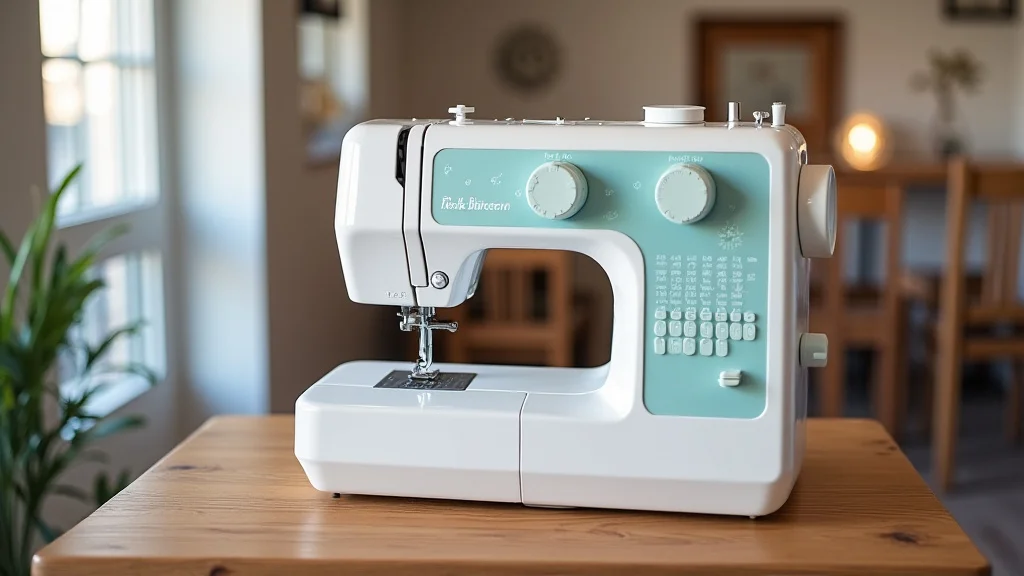
- Sewing Machine: A basic machine with straight and zigzag stitch capabilities is perfect for beginners.
- Needles: Choose needles appropriate for your fabric; ballpoint needles for knits, universal for general use.
- Thread: Polyester thread is a good all-around choice for beginners due to its durability.
- Scissors and Rotary Cutter: Sharp fabric scissors are vital for precise cuts. A rotary cutter is a good option for cutting multiple fabric layers and requires a cutting mat.
- Measuring Tools: A tape measure and a clear ruler are critical for accurate measurements.
- Marking Tools: Tailor’s chalk or disappearing fabric markers help you trace pattern lines and mark details.
Basic Sewing Techniques Through YouTube
Once you’ve gathered your tools, it’s time to learn the basic techniques. These are the building blocks of all sewing projects. This section is where your sewing 101 youtube tutorials really start to shine, providing you with demonstrations that bring the concepts to life. You’ll learn to thread a machine, stitch straight lines, and create the essential stitches that form the foundation of your skills. Practicing these techniques will build your confidence and prepare you for more complex projects. Mastery of these fundamental methods allows for endless creative opportunities.
Threading a Sewing Machine
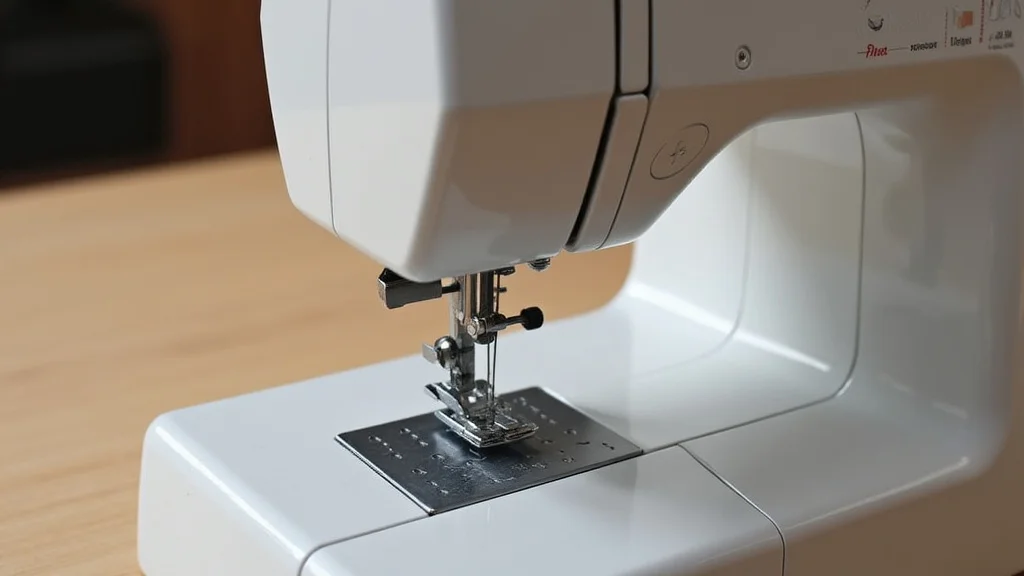
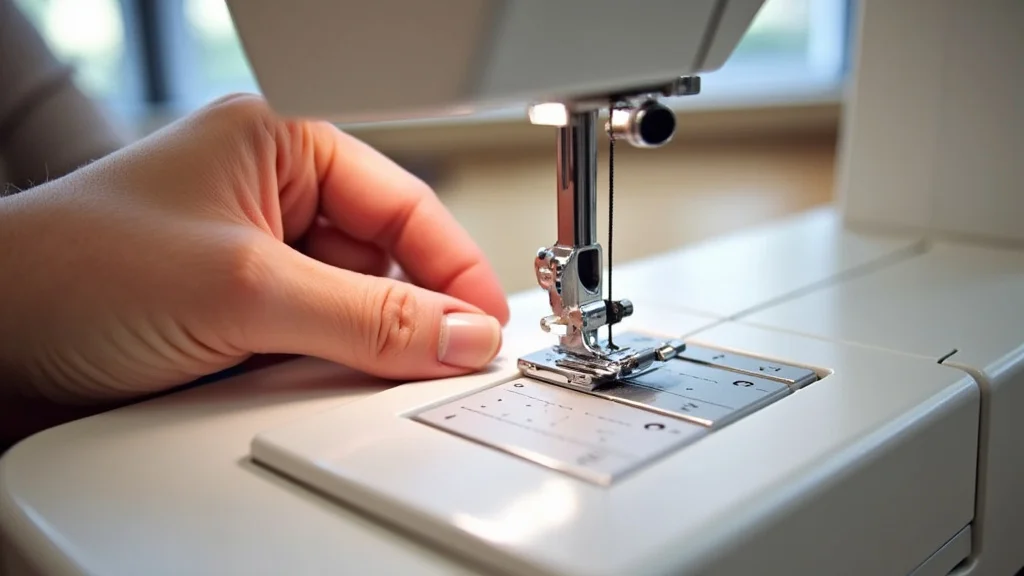
Threading a sewing machine can seem tricky at first, but with practice and the help of your favorite sewing 101 youtube channel, it becomes second nature. Each machine is different, so follow the diagrams in your machine’s manual or watch a video tutorial specific to your model. Properly threading ensures that your stitches are even and neat. Make sure the needle is in the highest position, the thread passes through all the necessary guides, and that the bobbin thread is correctly positioned. Common issues, such as skipped stitches or thread jams, often result from incorrect threading.
- Follow the Diagram: Each machine has a diagram. Reference this first to understand the thread path.
- Raise the Needle: Make sure the needle is fully up before you start threading.
- Thread the Upper Thread: Follow the numbered guides on your machine.
- Thread the Bobbin: Wind the bobbin and place it in the bobbin case correctly.
- Bring Up the Bobbin Thread: Use the handwheel to bring the bobbin thread up through the needle plate.
Essential Stitches
Once your machine is correctly threaded, it’s time to explore the essential stitches. These are the backbone of almost any sewing project. Mastering these stitches, along with watching detailed sewing videos, is vital. You’ll become familiar with the different stitch types and the functions they serve. Straight stitches, zigzag stitches, and blind hems will become your trusted allies. Experimenting with different stitch lengths and widths will give you greater control over your projects. The more you work with these stitches, the more comfortable you’ll become, allowing you to create beautiful and durable seams. This is a critical element in your sewing 101 youtube learning.
- Straight Stitch: This is the most basic stitch, used for seams, topstitching, and general construction.
- Zigzag Stitch: Excellent for finishing raw edges to prevent fraying and creating a secure seam.
- Backstitch: Useful for reinforcing the beginning and end of a seam to prevent it from coming undone.
- Seam Allowance: Understanding seam allowances is key to accurately sewing.
Seams and Hems
Seams and hems are where two pieces of fabric join to construct a garment or project. A seam is created when two or more pieces of fabric are sewn together, while a hem is the finished edge of a fabric, often turned up and sewn to create a clean, durable edge. Learning to sew neat and strong seams is fundamental to sewing success. Similarly, perfect hems give a professional finish to your creations. There are different types of seams and hems, each suitable for various fabric types and project requirements. Your favorite sewing 101 youtube channels provide clear, step-by-step instructions for these methods.
- Types of Seams: Straight seams, French seams, and flat-felled seams. Each is suited to different materials and projects.
- Types of Hems: Straight hems, rolled hems, and blind hems, offering different aesthetics and levels of durability.
- Pressing: Always press seams and hems to set them properly; use an iron and pressing cloth to protect the fabric.
- Measuring: Accurate measuring for hems ensures a professional finish.
Fabric Selection and Preparation with YouTube
The type of fabric you choose can make a huge difference in the outcome of your projects. Each fabric behaves differently and has specific requirements for cutting, sewing, and care. Learning about different fabrics, their characteristics, and how to work with them is a major part of your sewing 101 youtube journey. Consider the weight, drape, and texture of the material to ensure it’s suitable for your project. Preparing fabric properly before you start is also very important, including pre-washing, which prevents shrinkage after the project is complete. This section can guide you through the process.
Understanding Fabric Types
Fabric can be made from natural fibers like cotton, linen, and silk or synthetic fibers like polyester and rayon. Each type of fabric has its pros and cons. Cotton is breathable and easy to sew, while silk is luxurious but requires more care. Consider how the fabric will be used when making your selection. The weight of the fabric is also important; light fabrics are great for blouses and dresses, while heavier fabrics are suitable for outerwear. Many sewing 101 youtube videos explore the characteristics of various fabrics and offer recommendations for different projects.
- Cotton: Versatile, easy to sew, and widely available.
- Linen: Breathable, drapes well, but wrinkles easily.
- Polyester: Durable, wrinkle-resistant, and easy to care for.
- Silk: Luxurious, delicate, and requires special care.
- Knit Fabrics: Stretchy and require special needles and techniques.
Fabric Pre-Washing and Preparation
Before you begin sewing, it’s essential to pre-wash your fabric. This process helps prevent shrinkage after the project is complete. It also removes any finishes or treatments that can affect the sewing process. Pre-washing is a basic step but one that can prevent a lot of problems later on. Always check the care label on the fabric for washing instructions. Pre-shrinking your fabric can save you from a major disappointment when your finished garment shrinks after washing. These steps are often covered in detail on many sewing 101 youtube channels, too.
- Wash According to Instructions: Always check the fabric care label before washing.
- Dry Properly: Dry your fabric according to its recommended drying method.
- Ironing: Press the fabric after washing and drying.
- Cutting Straight: Ensure you cut your fabric straight on the grain line.
Sewing Patterns for Beginners Through YouTube
Sewing patterns are a roadmap for your projects. They provide the instructions and templates you need to cut and sew fabric pieces to create a specific garment or item. Pattern reading can seem a little complicated, but with the help of a sewing 101 youtube guide, it’s not as intimidating as it looks. Learning how to read and use patterns unlocks a vast world of sewing possibilities, allowing you to create clothes, accessories, and home décor items. This section guides you through the process, showing you how to read instructions, identify pattern pieces, and choose the right pattern size. This will help you get started on more advanced projects.
Understanding Pattern Markings
Sewing patterns are covered in symbols and markings, but don’t panic! With a little practice, you’ll be able to read them easily. These markings provide essential information about where to cut, sew, and make other adjustments. Seam allowances, grain lines, notches, and cutting lines are some of the critical elements you will encounter. Using a sewing 101 youtube tutorial can make the learning curve easier. Pattern markings guide you throughout the construction process. Understanding these markings ensures accurate cutting and sewing, leading to a professional finish for your projects.
- Cutting Lines: Show where to cut the fabric.
- Seam Allowance: The distance from the cutting line to the stitching line.
- Grain Line: Shows how to place the pattern on the fabric.
- Notches: Used to match pattern pieces.
- Dots and Symbols: Indicate darts, pleats, and other details.
Choosing the Right Pattern Size
Finding the right size is important for a successful outcome. Don’t just assume that your store-bought size corresponds to the sewing pattern size. Measurements are more important than the numerical size on the pattern envelope. Take your measurements (bust, waist, and hips) and compare them to the pattern’s sizing chart. Consider the ease (the amount of extra room in the garment) of the pattern. Some patterns are designed to be fitted, while others are looser. This is a very common topic on sewing 101 youtube, since sizing is critical to a good fit.
- Measure Accurately: Use a tape measure to get your bust, waist, and hip measurements.
- Consult the Size Chart: Compare your measurements to the pattern’s sizing chart.
- Consider Ease: Think about how fitted you want the garment to be.
- Make a Test Garment: If you’re unsure, consider making a test garment from inexpensive fabric.
Common Sewing Projects with Sewing 101 YouTube
Once you’ve mastered the basics, it’s time to start sewing. Start with simple projects to build your confidence and practice your new skills. This section offers suggestions for great starter projects, showing you what is possible with your new skillset. The great thing about sewing is you can make things to wear or use around the house. These initial projects will allow you to practice different techniques and create something useful. From pillowcases to tote bags, there’s a project out there for everyone. The wide range of project ideas on sewing 101 youtube will keep you inspired.
Simple Projects for Beginners
There are many simple projects that are perfect for beginners. These projects allow you to practice the basic techniques you’ve learned. Pillowcases, tote bags, and simple skirts are great starter projects. They involve straight stitching, basic seams, and hemming. Don’t be afraid to experiment with different fabrics and colors to personalize your projects. Many of the sewing 101 youtube videos provide clear, easy-to-follow instructions that guide you through each step. Starting with these simple projects will give you a sense of accomplishment.
- Pillowcases: Practice straight stitching and basic hemming.
- Tote Bags: Learn how to create simple seams and sew handles.
- Simple Skirts: A-line skirts are a great way to practice different seams.
- Bandanas: Practice hemming and simple shapes.
Improving Sewing Skills
With each project you undertake, you’ll be getting better and gaining new knowledge. To continue improving your skills, watch more sewing 101 youtube videos that cover more advanced techniques. Practice is key; don’t be afraid to try different fabrics, patterns, and designs. You’ll likely make mistakes, but don’t let them discourage you. They’re all part of the learning process. The more you sew, the more confident and creative you will become. Keep exploring new techniques and challenging yourself. With patience and persistence, you’ll be able to create beautiful pieces.
- Practice Regularly: Set aside regular time to sew.
- Try Different Projects: Explore new patterns and techniques.
- Learn from Mistakes: Don’t be discouraged by mistakes; learn from them.
- Take Classes: Consider joining a sewing class to learn.
Common Myths Debunked
Myth 1: Sewing is difficult
Many people believe that sewing is difficult and requires a lot of skill. The truth is that, with the right resources, like sewing 101 youtube tutorials, it can be learned by anyone. Start with the basics and gradually work your way up to more complex techniques. Consistency and practice are more important than natural talent. By breaking down complex tasks into smaller, more manageable steps, you will quickly gain confidence and improve your skills. Don’t be afraid to start small and gradually expand your knowledge.
Myth 2: You need a fancy sewing machine to sew
It’s a misconception that you need an expensive, high-tech sewing machine to begin. For many projects, a basic machine with a straight stitch and zigzag stitch is sufficient. Modern machines have the essential features for beginners. You can create beautiful projects with a simple machine, like the ones you find in sewing 101 youtube channels. Focus on learning the basics and mastering the techniques. As you become more skilled and your needs change, you can consider upgrading your machine.
Myth 3: You need to buy expensive fabric
The idea that you need to use high-priced materials is not true. Sewing is a great way to be resourceful with fabric. There are many affordable options available, and you can even upcycle old clothes or use fabric scraps. Start with inexpensive materials as you learn. Choosing materials is a part of your sewing 101 youtube experience, so try some budget-friendly fabric before you try the more expensive options. You can still create beautiful and stylish projects on a budget. As your skills improve, you can start to experiment with different materials.
Myth 4: Sewing is only for experienced people
Many people think that sewing is only for experienced people. In reality, anyone can learn to sew, regardless of their prior experience. Many online resources and classes are designed to help beginners get started. Many tutorials and channels on sewing 101 youtube provide step-by-step instructions and clear demonstrations. By taking things one step at a time, you can learn basic skills and gradually improve your abilities. It’s the perfect skill to try.
Myth 5: Sewing takes a long time
Some people think sewing always takes a lot of time. While it’s true that some complex projects might take a while, many simple projects can be completed quickly. Once you gain experience and speed, you can create items faster. The time you will spend on each project will depend on its complexity and your level of experience. With practice and skill, you’ll become more efficient and can complete projects faster. Plus, you will find several videos on sewing 101 youtube to help you with the time management.
Frequently Asked Questions
Question: What’s the best type of fabric for beginners?
Answer: Cotton is a great choice because it’s easy to sew, versatile, and widely available.
Question: How do I choose the right sewing machine needle?
Answer: Select a needle that matches your fabric; ballpoint needles for knits, universal needles for general fabrics.
Question: How do I measure fabric for a project?
Answer: Use a tape measure to measure the length and width needed, adding extra for seam allowances.
Question: Where can I find sewing patterns?
Answer: Sewing patterns are found at fabric stores, online, or on some sewing 101 youtube channels.
Question: How can I prevent fabric from fraying?
Answer: Use a zigzag stitch or serger to finish raw edges.
Final Thoughts
Sewing is an incredibly rewarding hobby that combines creativity, practicality, and relaxation. With the help of sewing 101 youtube and a little dedication, anyone can learn to create beautiful and useful items. The journey begins with the basics: gathering your tools, understanding fabric types, and mastering fundamental stitches. It’s about taking that first step, practicing, and building your skills gradually. Embrace the process, don’t be afraid to make mistakes, and celebrate your progress along the way. Remember to stay patient, keep practicing, and explore the endless possibilities that sewing offers. The world of crafting is open for you to explore!