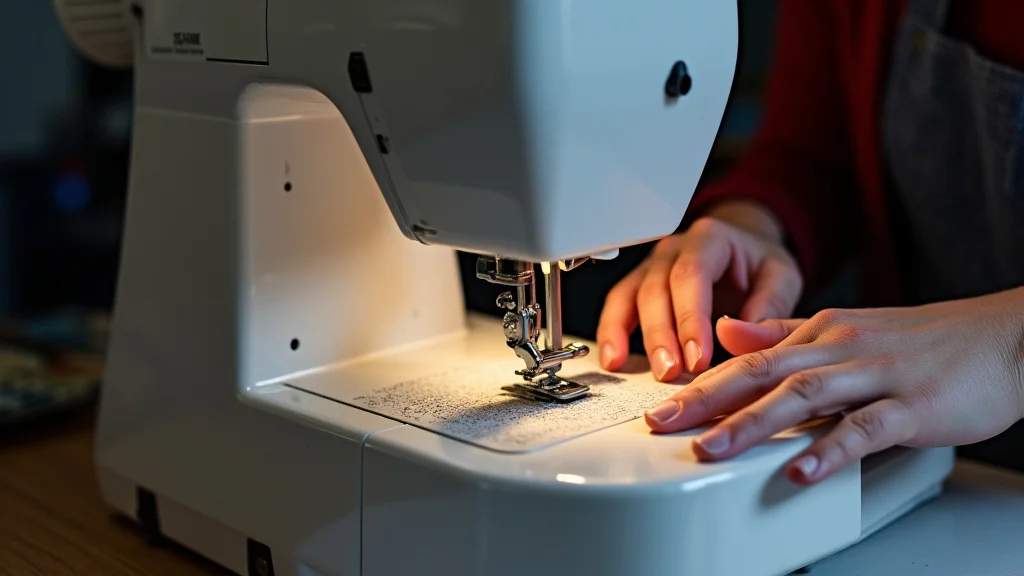
Remember that feeling of accomplishment after finishing your first school project? That sense of pride, seeing something you created with your own hands? Now imagine taking that feeling, amplifying it, and applying it to your everyday life. This is the essence of becoming a sewing sensation. In this guide, you’ll discover how to get started, the essential tools you’ll need, and the skills you’ll develop. Get ready to transform your ideas into tangible creations and discover a fulfilling and creative outlet. You’ll learn the key techniques, from basic stitches to more advanced methods, helping you gain a solid foundation to pursue your sewing aspirations. By the end, you’ll have the knowledge and confidence to start your own a sewing sensation adventure.
Key Takeaways
- Learn the essential tools and materials for getting started with sewing.
- Master fundamental sewing techniques, including basic stitches and seam construction.
- Discover how to choose the right fabrics for your projects.
- Gain insights into pattern reading and garment construction.
- Find inspiration and ideas for your sewing projects.
- Develop your skills and knowledge to grow as a sewing enthusiast.
Getting Started with a Sewing Sensation
The allure of creating your own clothing, home décor items, and personalized gifts is irresistible. Sewing offers a fantastic blend of creativity, practicality, and personal expression. Before you begin your journey as a sewing enthusiast, setting the foundation is key. This initial stage involves gathering the fundamental tools and materials that will support you in the long run. Proper setup ensures the ease and enjoyment of your sewing experience, turning potential challenges into achievable tasks. A well-equipped sewing space and essential supplies are the building blocks of a fulfilling and productive creative outlet.
Essential Tools and Equipment
- Sewing Machine: The heart of your setup is a reliable sewing machine. Start with a basic model; it’s a wise choice for beginners. As you advance, you can upgrade to a machine with more features.
- Scissors and Rotary Cutter: Sharp, dedicated tools are crucial for precision. Invest in fabric shears for cutting fabric and a rotary cutter with a self-healing mat.
- Measuring Tools: A flexible measuring tape is key for accurate measurements. Also get a clear ruler or a quilting ruler for straight lines and a seam gauge for precise seam allowances.
- Needles and Thread: A variety of sewing machine needles are needed, including universal, ballpoint, and specialty needles. Choose thread based on your project and fabric.
- Pins and Clips: Pins hold fabric pieces together. Seam clips can also be used, especially for thicker materials or delicate fabrics.
A sewing machine is more than just a tool; it’s your primary companion. It’s important to select a machine that suits your needs. Consider the types of projects you want to make, from simple repairs to detailed garment construction. Choose a machine with straight stitch and zigzag stitch capabilities, essential for a wide range of tasks. Look for features like adjustable stitch length and width, which offer flexibility in your projects. A free arm feature is helpful for sewing cuffs and sleeves. Ease of use and maintenance are important considerations. Before committing, read reviews and try out different machines to find the right fit for you.
Scissors and rotary cutters are essential tools for anyone pursuing sewing. Fabric shears are specifically designed for cutting fabric, allowing for clean, precise cuts. It’s important to keep them sharp and use them only for fabric to preserve their effectiveness. A rotary cutter is a circular blade that rotates, providing a faster and more efficient way to cut through fabric. It pairs perfectly with a self-healing cutting mat to protect your work surface. These tools are invaluable for various sewing tasks, from cutting pattern pieces to trimming seams. Proper use of these tools ensures accuracy and efficiency in your sewing endeavors.
Measuring tools are the backbone of any sewing project. A flexible measuring tape is used to take body measurements and measure fabric, while a clear ruler or quilting ruler is perfect for ensuring straight lines when cutting fabric or creating patchwork designs. A seam gauge is another helpful tool, a small ruler that helps you measure and maintain accurate seam allowances. Precise measurements are the key to a well-fitting garment or a perfect project. These instruments help avoid errors and promote the creation of accurate, professional-looking results. They are not merely useful but indispensable.
The right needle and thread combination is critical for your sewing success. Sewing machine needles are available in different sizes and types, designed for different fabrics and purposes. Universal needles work well for a variety of fabrics, while ballpoint needles are ideal for knit fabrics, preventing snags. Choosing the correct thread type, such as all-purpose cotton or polyester, is also important. The thread’s color should also complement the fabric. Stocking a variety of needles and threads allows you to adapt to any project and achieve the best results. Correct choice ensures smooth sewing and prevents fabric damage.
Pins and clips are invaluable for holding fabric pieces together before sewing. Pins come in different types, including ballpoint pins and silk pins, which are appropriate for different fabrics. Seam clips provide a great alternative, especially for thicker materials like denim or leather or delicate fabrics that could be damaged by pins. These tools are used to align fabric layers accurately and avoid shifting during the sewing process. This prevents potential errors and helps create clean, professional seams. They contribute to sewing speed and accuracy.
Understanding Fabrics for a Sewing Sensation
Fabric selection is a crucial part of becoming a sewing sensation. Fabrics can greatly impact the outcome of a project, influencing how a garment fits, feels, and drapes. Understanding fabric construction, fibers, and weight can provide an edge when making design choices. Matching the right material to the project enhances both the function and aesthetic appeal. Delving into the details of different fabric types can turn a simple sewing endeavor into a work of art. The quality and type of fabric chosen directly determine how the end product looks and works.
Fabric Types and Their Properties
- Cotton Fabrics: Cotton is versatile, durable, and comes in various weights.
- Linen Fabrics: Linen is known for its strength, breathability, and natural drape.
- Silk Fabrics: Silk offers a luxurious feel and elegant drape.
- Polyester Fabrics: Polyester is durable, wrinkle-resistant, and easy to care for.
Cotton fabrics are one of the most versatile and popular choices for sewing. They’re made from the natural fibers of the cotton plant, making them breathable, absorbent, and comfortable. Cotton is available in a wide variety of weights, from lightweight voile and lawn to heavier canvas and denim. Cotton is easy to sew, making it a good choice for beginners, and is suitable for a wide range of projects, from clothing to home décor. Cotton fabrics are also easy to care for and can be machine washed and dried, making them a practical choice.
Linen is a luxurious fabric known for its durability, breathability, and distinctive texture. It is made from the flax plant, and its fibers are exceptionally strong, making linen fabric resistant to wear and tear. Linen has a beautiful drape and a slightly crinkled appearance, giving it a casual yet elegant look. It is also highly absorbent, making it ideal for warmer climates. Linen fabric is often used for clothing, such as dresses, shirts, and pants, as well as for home décor items, such as curtains and tablecloths. It requires special care and can wrinkle easily.
Silk is a luxurious fabric prized for its smooth texture, lustrous appearance, and elegant drape. Made from the fibers produced by silkworms, silk is a natural protein fiber that is lightweight and strong. Silk is known for its exquisite drape, making it perfect for dresses, blouses, and other flowing garments. It also has a natural sheen that adds a touch of glamour. Sewing with silk can be challenging because it’s delicate and slippery, but the results are often stunning. Silk fabrics require delicate care and should be dry-cleaned or hand-washed.
Polyester is a synthetic fabric that has gained popularity for its durability, wrinkle resistance, and ease of care. It is made from synthetic polymers, which give it strength and resilience. Polyester is known for its ability to hold its shape, making it an excellent choice for clothing and other items that require structure. Polyester is also resistant to fading and shrinking, making it a low-maintenance option. While it’s not as breathable as natural fibers, it’s often blended with cotton or other fabrics to combine the best properties of both. Polyester is an accessible, practical choice for many projects.
Fabric Weight and Its Impact
- Lightweight Fabrics: Examples include chiffon and voile, used for flowing garments.
- Medium-Weight Fabrics: Examples include cotton and linen, used for a variety of projects.
- Heavyweight Fabrics: Examples include denim and canvas, used for sturdy items.
Lightweight fabrics, such as chiffon, voile, and organza, are characterized by their delicate, airy quality. These fabrics drape gracefully and are often used in flowing garments, such as dresses, blouses, and scarves. Lightweight fabrics are known for their sheerness, which can add a touch of elegance and sophistication to a design. They are generally easy to work with but may require special care and techniques to prevent shifting or tearing during sewing. The choice of a lightweight fabric affects the finished look and feel.
Medium-weight fabrics, like cotton, linen, and some blends, provide a balance between structure and drape. These fabrics are versatile and suitable for a broad range of projects, from clothing to home décor. They have enough body to hold their shape, but they still drape comfortably. They are easier to sew than lightweight fabrics. They are often a great choice for beginner projects because of their versatility and durability. These fabrics offer more options for designers.
Heavyweight fabrics such as denim, canvas, and upholstery fabrics are designed for durability and structure. These materials are thick, sturdy, and often used for items that require resilience, such as jeans, jackets, and bags. These fabrics hold their shape well and are able to withstand considerable wear and tear. Working with heavyweight fabrics requires using the right equipment, such as heavy-duty needles and a powerful sewing machine. They add a sense of sturdiness to any project. Sewing with heavy fabrics is a more involved process. The results are long-lasting.
Mastering Sewing Techniques for a Sewing Sensation
A firm grasp of basic sewing techniques is key to succeeding as a sewing sensation. These techniques form the core of your ability to transform ideas into reality. Practice and repetition will help you turn simple stitches and seam construction into a set of skills that become second nature. Each stitch and seam learned opens up a universe of creative possibilities. The focus should be on building a solid foundation, which empowers you to tackle diverse sewing projects. This approach ensures your long-term success.
Basic Stitches and Their Uses
- Straight Stitch: The most fundamental stitch.
- Zigzag Stitch: Used for finishing raw edges.
- Back Stitch: Provides extra reinforcement.
- Buttonhole Stitch: Used for creating buttonholes.
The straight stitch is the cornerstone of sewing, serving as the most basic and versatile stitch in the sewer’s toolkit. It’s formed by a single thread passing repeatedly through the fabric in a straight line. Straight stitches are used for constructing seams, attaching pockets, hemming, and any other task requiring a simple, stable connection. It is the go-to stitch for nearly every sewing project. It’s easy to learn. Regular practice helps make this stitch smooth and even, essential for professional-looking results. Mastering the straight stitch is your initial milestone on the path to becoming proficient at sewing.
The zigzag stitch is a sewing machine stitch that is characterized by its side-to-side pattern. This stitch is used to secure seams and prevent edges from unraveling. It’s used for various tasks, including sewing knit fabrics, reinforcing seams, and creating decorative effects. The zigzag stitch is especially helpful in finishing raw edges, which prevents them from fraying, thus increasing the garment’s durability. This stitch is versatile, and its width and length can be adjusted. This adjustability allows for greater control over the appearance and functionality of the stitch. A proper zigzag stitch strengthens seams.
The back stitch is a reinforcement stitch to create strong seams, typically used to secure the beginning and end of a seam. The back stitch is formed by sewing backward over the same line of stitching. When done by machine, this is often done with a reverse stitch option. The back stitch reinforces the stitching. This technique prevents seams from unraveling. The back stitch adds extra strength and durability, preventing seams from pulling apart. The back stitch is essential for any project and assures that the sewn items will remain intact and durable.
The buttonhole stitch is used to create buttonholes in fabrics, allowing the button to be fastened. A buttonhole is sewn around the edge, reinforced and cut to fit the button. It ensures the button won’t come loose. Buttonhole stitches are dense and secure, which prevents the buttonhole from fraying or tearing. Buttonholes can be made by machine using the buttonhole function, or manually, using a specialized buttonhole stitch. Mastering the buttonhole stitch is crucial for a professional look and function, especially when making garments with buttons. A well-made buttonhole will improve both the durability and appearance of your project.
Seam Construction Techniques
- Plain Seam: The most common type of seam.
- French Seam: Encapsulates raw edges for a clean finish.
- Serged Seam: Uses a serger to finish edges quickly.
- Flat-Felled Seam: Creates a durable, clean finish.
The plain seam is the fundamental seam type in sewing, formed by stitching two fabric pieces together with a straight stitch. It’s the most widely used seam for its simplicity. The seam’s key components include the seam allowance, the edge of fabric beyond the stitch line. The width of the seam allowance can vary depending on the pattern. Plain seams are used in a variety of sewing projects. This type of seam is commonly used for joining fabric pieces. The edges of the fabric can be finished to prevent fraying using a serger or a zigzag stitch. The plain seam’s simplicity and adaptability are ideal for beginner and experienced sewers.
A French seam is a seam technique that encases the raw edges of the fabric within the seam allowance. This seam is done in two steps to create a clean finish and prevent fraying. First, the fabric pieces are sewn together with the wrong sides facing each other, and then the seam allowance is trimmed. Second, the fabric pieces are folded with the right sides together. The seam allowance is then sewn, enclosing the raw edges. The French seam is often used for sheer or lightweight fabrics, providing a neat, professional look. This technique is more time-consuming but prevents raw edges from unraveling. The resulting seam is durable and attractive.
Serged seams are a fast method for sewing that involves using a serger, also called an overlock machine, to trim, sew, and overcast the edges of the fabric. This process cuts the fabric, sews the seam, and wraps the edges to prevent fraying. The serger creates a durable, professional finish in a single step. Serged seams are often used for knit fabrics and activewear. They create a clean finish and increase the garment’s strength and flexibility. The serged seam is a professional finish. It saves time and produces a neat, long-lasting result. This is a must-have for people who work with different fabrics.
A flat-felled seam is a seam technique often found in denim and workwear, known for its strength and professional look. To create this seam, the fabric pieces are sewn together with the wrong sides facing. Then, the seam allowance is trimmed, folded over, and sewn again to create a neat finish. The flat-felled seam is durable. It’s often used in areas subject to heavy wear. This seam provides a polished finish. It’s a bit more involved to create, but the added durability and clean finish make the extra effort worthwhile. This seam is suitable for garments designed to last.
Sewing Sensation: Exploring Pattern Reading
Understanding how to read and interpret sewing patterns is important for becoming a sewing sensation. This skill opens the door to a world of clothing design and construction. Sewing patterns provide detailed information. Learning how to identify pattern markings, understand sizing charts, and follow cutting layouts will improve your precision and increase the ease of sewing. Becoming familiar with pattern reading enables you to realize your creative ideas by constructing well-fitting garments and other projects. The patterns enable you to create professional-looking results.
Decoding Pattern Markings
- Cutting Lines: Show where to cut the fabric.
- Seam Allowance Lines: Indicate where to sew the seams.
- Notches: Used to align pattern pieces.
- Grain Lines: Used to align the pattern with the fabric.
Cutting lines on a sewing pattern indicate the outer edges of the pattern pieces. These lines are marked as solid lines, and it is here where you will cut along the fabric. Following the cutting lines precisely is crucial for the garment to fit correctly. Different types of cutting lines may exist for various sizes. Using these lines ensures accuracy in cutting, which reduces errors. The precise cutting of the pattern pieces is necessary for professional results.
Seam allowance lines are drawn near the cutting lines, showing the sewing guide. The seam allowance is the distance from the edge of the fabric to the stitching line. The width of the seam allowance is usually indicated on the pattern. This measurement can vary depending on the pattern design. Sewing along the seam allowance lines is essential for a well-constructed project. If a seam allowance is not followed correctly, it can cause the fit and appearance to be off. Staying within the seam allowance promotes consistency, resulting in a project made with quality.
Notches are small triangular or diamond-shaped markings found along the edges of pattern pieces. Notches are used as guides to align pattern pieces accurately before sewing. These matchings ensure seams are joined correctly. For example, when sewing sleeves to armholes, the notches on the sleeve and armhole are matched to ensure they fit correctly. They are important in the construction of garments, and matching these markings ensures correct alignment, resulting in a project that fits and drapes properly. Accurately matching the notches is essential for well-constructed projects.
Grain lines are usually indicated by long, straight lines with arrows at each end, printed on pattern pieces. Grain lines are used to align the pattern pieces to the straight grain of the fabric. It is a key element of the construction process. This alignment ensures that the fabric drapes and hangs correctly. Following the grain line is essential for the garment to fit and fall properly. Misalignment can cause distortion, while proper alignment creates a project that looks professional. Pay attention to grain lines, as it affects the look.
Understanding Sizing and Fitting
- Taking Measurements: Accurately measure yourself to determine your size.
- Using Sizing Charts: Match your measurements to pattern sizes.
- Making Adjustments: Alter patterns for a custom fit.
The first step in using a sewing pattern is to take accurate body measurements. This process involves using a measuring tape to measure key areas, such as the bust, waist, and hips. Comparing your measurements with the sizing chart on the pattern will help determine the correct size to cut. Make sure you’re wearing appropriate clothing when measuring. These measurements will ensure your garments fit well and are comfortable. Taking accurate measurements is crucial. It’s an essential step in the creation process.
Sewing patterns include sizing charts, that correlate measurements to numbered sizes. These charts allow you to find the appropriate size for your project. Compare the size chart to your measurements to determine which size to use. Consider any special sizing variations, such as petite or tall, to ensure the garment fits properly. If your measurements fall between sizes, you may need to make adjustments. It is important to compare your measurements to the size chart before cutting the fabric. It ensures an accurate and comfortable fit.
Even when using the correct pattern size, adjustments may be needed to achieve a custom fit. Common adjustments include altering the length of sleeves or pants, adjusting the bust size, or modifying the waistline. These adjustments allow you to make the garment fit your unique body shape. To do this, transfer the needed alterations to your pattern pieces. Altering the patterns can ensure that the finished product fits perfectly. Making adjustments is a skill that helps you construct garments to a better look and fit. This enhances your skills.
Embracing the Sewing Sensation: Inspiration and Projects
Finding inspiration and planning projects is an exciting part of the journey. As you progress on your path to becoming a sewing sensation, you will want to expand your horizons. Exploring different project types and learning design principles will expand your skillset. The inspiration is all around you, from fashion trends to home decor magazines. Setting goals and working on challenging projects can help your skills. Starting small and gradually tackling more complex endeavors will grow your confidence. This will increase your enthusiasm.
Project Ideas for Beginners
- Simple Tote Bags: Easy to sew and practical.
- Pillowcases: Great for practicing straight seams.
- Simple Skirts: Build confidence in garment construction.
- Scrunchies: Quick and easy to make.
Tote bags are the perfect beginner project because they are simple, requiring few pattern pieces and basic sewing techniques. You can select fabrics of your choice and experiment with various designs. They are useful for everyday use. They offer an ideal opportunity to become familiar with using your sewing machine and practicing straight stitches and seam construction. Tote bags are quick to complete and allow you to quickly see the fruits of your labor. The simplicity of these projects helps build confidence, and a sense of accomplishment.
Pillowcases are a great beginner project for getting familiar with straight seams and basic construction. Using different fabrics, you can create a variety of designs and practice your precision. This provides an opportunity to master the techniques while adding a personal touch to your home decor. Pillowcases are a great way to use extra fabric from previous projects. They are both functional and decorative. The practice gained from pillowcase construction helps improve your skills.
A simple skirt is an excellent choice for beginner garment construction, as it involves fewer pattern pieces and basic sewing techniques. Starting with an elastic waist skirt, it requires simple straight seams. As you gain more skill, you can begin making more challenging designs. It’s an opportunity to master techniques while making a wearable garment. Simple skirts allow you to build confidence in garment construction. This provides a sense of accomplishment.
Scrunchies are fast and straightforward projects, providing instant gratification. The project lets you explore a variety of fabrics and elastic options. It’s a quick project that allows you to master basic techniques like sewing small tubes and finishing edges. Scrunchies are a good project for learning about elastic and working with small pieces. Making scrunchies helps you develop your skills and provides a fun project.
Finding Inspiration and Resources
- Online Resources: Explore sewing blogs, websites, and tutorials.
- Sewing Books and Magazines: Find patterns and inspiration.
- Social Media: Follow sewing influencers and communities.
Numerous online resources are available to inspire and guide your sewing journey. Sewing blogs, websites, and tutorials are excellent sources of inspiration, providing step-by-step instructions. Many offer patterns, tips, and techniques. Online communities are a great place to ask questions and share your projects. Exploring these resources allows you to discover new ideas and learn from other sewers’ experiences. These resources help improve your skills and provide a sense of community.
Sewing books and magazines offer a wealth of patterns, techniques, and inspiration. Books often provide detailed guidance on specific sewing techniques. Magazines show the latest trends, with patterns and project ideas. These resources can help you expand your skills and design knowledge. They provide inspiration and practical advice. They are an amazing way to discover new techniques and improve your sewing. It’s an essential source of inspiration.
Social media platforms are great for finding inspiration, with sewing influencers and communities sharing their projects. Platforms like Instagram, Pinterest, and YouTube showcase a wide range of sewing projects, techniques, and tutorials. Following these accounts can provide you with daily inspiration and the chance to connect with fellow sewers. You can share your progress, learn from others, and get feedback on your work. It’s a supportive environment. The social aspects are important.
Common Myths Debunked
Myth 1: Sewing is Expensive
Reality: While purchasing equipment may require some upfront investment, sewing can be cost-effective. You can create custom garments and home décor items at a fraction of the cost. The cost can also be lowered by buying gently used machines or using sales and fabric remnants.
Myth 2: Sewing is Only for Skilled People
Reality: Sewing is a skill that anyone can learn with practice and patience. There are many beginner-friendly projects and tutorials available. Start with simple projects and gradually work your way up to more complex items.
Myth 3: All Sewing Machines are the Same
Reality: There are various types of sewing machines, each with its features and functions. Machines can range from basic models for beginners to advanced machines for professional sewers. It is important to find one that fits your needs.
Myth 4: Sewing is Time-Consuming
Reality: The time it takes to complete a project depends on its complexity and your experience. While more detailed garments may take more time, many projects are quick and easy. Sewing can also be a relaxing and enjoyable pastime.
Myth 5: You Need to Have a Lot of Space to Sew
Reality: Sewing can be done in any space, even a small apartment. A designated workspace and storage solutions for tools and materials will help organize your space. Many sewers set up compact spaces.
Frequently Asked Questions
Question: What is the best sewing machine for beginners?
Answer: A basic, mechanical sewing machine with straight and zigzag stitches is ideal. Look for features like adjustable stitch length and width.
Question: What fabrics are easiest to sew for beginners?
Answer: Cotton fabrics are easy to sew. They are generally stable, versatile, and come in various weights, making them suitable for beginners.
Question: How do I choose the right needle for my project?
Answer: Select a needle type appropriate for your fabric. Universal needles work for many fabrics, ballpoint needles for knits, and denim needles for heavier fabrics.
Question: How do I measure myself for a sewing pattern?
Answer: Use a flexible measuring tape to measure your bust, waist, hips, and other relevant areas. Match these measurements to the pattern size chart.
Question: How do I prevent my fabric from fraying?
Answer: Use a zigzag stitch or serger to finish raw edges. French seams and flat-felled seams also enclose raw edges, which prevents fraying.
Final Thoughts
Embarking on the adventure of becoming a sewing sensation is more than just learning a craft. It’s a journey of self-expression, creativity, and the joy of creating something tangible with your own hands. The journey is made of many steps, from understanding the basics, choosing your tools, and mastering essential techniques, to finding inspiration and planning your projects. It’s important to begin with simple tasks and gradually increase the complexity, embracing the learning curve. Each completed project provides a sense of achievement. So, gather your supplies, find your inspiration, and start creating. Sewing will bring about new adventures. Don’t hesitate to experiment with different fabrics, styles, and designs. You have all you need to start. The joy of sewing is in the process.