Remember that time you tried to jazz up a plain t-shirt with some sewing beads? Maybe it didn’t quite go as planned! Whether you’re a beginner or have some experience, working with beads can seem tricky at first. This guide is here to change that. We’ll explore everything you need to know, from choosing the right beads to mastering various techniques. By the end, you’ll feel confident creating stunning projects. You’ll gain practical skills and tips for working with beads. This will improve your Time on Page and reduce Bounce Rate, ensuring you spend time learning about the craft.
Key Takeaways
- Learn about different types of sewing beads and their characteristics.
- Discover essential tools and materials for successful beadwork.
- Master various techniques like applying beads individually and in patterns.
- Find inspiration for incorporating beads into different projects.
- Understand how to choose the right thread and needle for your beads.
- Get expert advice on caring for and maintaining beaded items.
Choosing the Right Sewing Beads
When you start a project with sewing beads, your first step is selecting the beads themselves. The options can feel endless, from shimmering glass beads to simple wooden ones. The beads you choose will hugely influence the look and feel of your finished project. This initial selection affects everything from the overall aesthetic to the ease of working with them. Considering size, shape, and material is crucial before you even pick up a needle.
Types of Beads
- Glass Beads: These are incredibly popular, offering a wide array of colors, sizes, and finishes. They can be faceted for sparkle, or smooth and round. Glass beads are often used in jewelry making, embellishing clothing, and creating decorative accents.
- Seed Beads: These tiny, round beads are classic for adding texture and detail. They’re often used in rows or clusters.
- Bugle Beads: These are long and tube-shaped, adding a linear element to designs. They are excellent for creating fringe or adding texture.
- Wooden Beads: These add a natural and rustic look. They’re available in various shapes and can be easily painted or stained.
- Metal Beads: These are sturdy and add a touch of elegance, often found in jewelry and clothing accents.
Glass beads come in various styles like seed beads, which are small and cylindrical. Delica beads are known for their uniform shape and are popular for intricate beadwork. Czech glass beads are valued for their consistent quality and vibrant colors. The versatility of glass beads makes them suitable for many projects.
Seed beads are small, usually 2mm to 4mm in diameter, and come in many colors and finishes. They can be added to fabric one by one or strung together in larger patterns. Seed beads are generally made from glass. The low cost makes them excellent for learning bead embroidery. Many different techniques use seed beads, including bead weaving and bead embroidery.
Bugle beads are typically made of glass and available in various sizes and finishes, including metallic, matte, and iridescent. Their elongated shape offers a different look from round beads, providing a striking visual effect. They’re useful for creating a modern design. Their tubular shape lets them be easily incorporated into many projects.
Wooden beads provide warmth and a natural texture. They’re often seen in crafts like macrame and dream catchers. They’re easy to customize by painting, staining, or adding embellishments. Wooden beads can also absorb dyes, allowing you to create unique color effects. Wooden beads come in various sizes and shapes, like round, oval, and faceted. They offer many design possibilities.
Metal beads can add shine and structure to your work. They can be made from various metals, including silver, gold, brass, and copper, each with unique characteristics. Metal beads can feature different finishes. These include polished, antique, or hammered looks. They often come in various shapes and sizes. Their weight and texture make them stand out in any piece.
Factors to Consider When Choosing
- Size: Bead sizes are measured in millimeters (mm) or using a bead size chart. The bead size will influence the overall look of your project. The best size depends on what you are making.
- Shape: Round, oval, square, or other shapes will affect the project’s overall aesthetic and how they sit on your material. Choosing the proper shape is important.
- Material: The material of the beads impacts their durability, weight, and look. Different materials have different properties.
- Color and Finish: The right color will enhance your work, while finishes can add texture or shine.
Smaller beads (e.g., seed beads) are great for detailed work and delicate designs. Larger beads, like larger metal or wooden beads, are useful for making bolder statements or creating structural elements. Knowing what size you need helps you plan the look and feel of the project. If you’re embellishing fabric, consider the scale of your design to see what the best size is.
Round beads are versatile and suit many designs. Square beads may offer a more modern look, while teardrop beads can add a graceful, flowing effect. Consider the shape of the beads. This will also impact the techniques you can use. Some shapes lend themselves to specific patterns or stitching methods. For instance, flat-backed beads are helpful for embellishing surfaces. The shapes allow for many possibilities when designing.
Glass beads offer various colors and finishes, while wooden beads can create a natural look. Metal beads can bring sophistication and shine. The material will also affect how the beads react to wear and washing, important for projects like clothing. Materials also influence the cost, with some, like gemstones, being pricier. When selecting a material, consider the desired style and the project’s intended use.
Color is a key factor in bead selection. Colors can complement or contrast the material. Consider the color palette of the project. Finishes, like matte, iridescent, or metallic, add extra depth and visual interest. Matte beads give a subtle look, while metallic beads provide shine. Iridescent beads change colors depending on the light. Finishes can drastically alter the final look of your creation.
Essential Tools and Materials for Beadwork
Having the correct tools makes a huge difference to your sewing beads project. You’ll need more than just the beads themselves. Some items ensure your work is smooth and efficient. Others help you achieve professional-looking results. Investing in the right tools and supplies from the start can make beadwork enjoyable.
Needles and Thread
- Needles: Specialized beading needles are long, thin, and flexible, which lets them pass through beads easily. They come in different sizes, matching the bead size.
- Thread: Strong and durable thread is essential. Nylon and beading thread work well because they can withstand the stress of pulling through beads and fabric.
Beading needles are essential for beadwork. They have a narrow eye, which prevents them from catching on the beads or the fabric. Choose the proper needle size based on the beads you’re using. If the eye of the needle is too small, it may be hard to thread. If it’s too big, it might cause too much thread to go through the beads. A curved needle is helpful for applying beads on curves.
The right thread supports the longevity of your projects. Nylon and beading thread is strong and resistant to abrasion. Cotton thread is also usable. If you are beading on fabric, choose a thread color that matches the beads or the fabric. This helps the stitches blend in. The thickness of the thread should match the size of the beads and the project. Thinner threads work better with delicate beads. Thicker threads may suit heavier beads or projects. Ensure you use the right thread.
Other Necessary Tools
- Scissors: Use small, sharp scissors to cut thread cleanly.
- Bead Mat: A bead mat keeps beads from rolling away and makes it easier to organize your project.
- Beading Awl: A beading awl is helpful for gently creating holes in fabric or leather to make it easier to thread the needle.
Sharp scissors let you cut the thread precisely. This will prevent fraying. Blunt scissors may damage the thread or make it hard to cut. Keep your scissors handy and always use them for cutting threads. This will help with your projects.
A bead mat gives you a stable surface to work on, preventing beads from sliding around. They often have a soft texture. This makes it easier to pick up beads. They also come in different sizes and colors. A bead mat can also make your work space more organized and efficient. It will make your beadwork easier.
A beading awl can help when you are working with thick fabrics. It creates a path for your needle, which prevents the material from tearing. Use the awl to make a small hole at the spot where you want to apply a bead. Then, push your needle through the hole. Beading awls can also be used to remove stitches. This tool ensures that your beads are properly aligned.
Techniques for Applying Sewing Beads
Knowing how to attach sewing beads is the core of this craft. Several techniques are available, each leading to a different look. From individual bead application to intricate patterns, exploring these methods will improve your skills. Practice these techniques to become confident in beadwork. This section will guide you through some popular methods.
Individual Bead Application
- Single Bead Stitch: This simple technique is perfect for adding individual beads to a surface.
- Loop Stitch: This technique creates a loop around the bead for added security.
- Couching: Use couching to secure beads with a separate thread that holds them to the fabric.
Thread your needle with the chosen thread. Bring the needle up through the fabric where you want to place the bead. Thread the bead onto the needle. Then, pass the needle back through the fabric near the point where it emerged. This will secure the bead. Knot the thread on the back of the fabric to keep it in place. This simple technique works well for accenting details or adding scattered beads.
Bring the needle up through the fabric. String a bead onto the needle. Then, pass the needle back down through the fabric on the other side of the bead. Bring the needle back up, going around the bead to create a loop. This extra step helps prevent the bead from shifting or falling off. Repeat this to create a series of looped stitches. Loop stitching is great for high-wear areas or projects where the beads must remain secure.
Place the beads on the fabric. Use a contrasting thread and needle to create tiny stitches over the beads. These stitches secure the beads to the fabric. Use small, neat stitches to prevent the couching thread from being too visible. Couching is excellent for applying beads in patterns or lines. It’s a quick and efficient way to decorate fabric with beads.
Creating Patterns and Designs
- Bead Embroidery: Embroidery incorporates beads with standard embroidery stitches to create textures.
- Bead Weaving: Bead weaving involves using needles and thread to interlock beads, forming fabric-like structures.
- Stringing Beads: This is a basic technique where beads are strung onto thread or wire. This is often used for jewelry.
The first step is to transfer your design onto the fabric. Use embroidery floss to make your base stitches. Then, use the techniques from the previous section to add beads. This could be a single bead or a row of beads. Combine beads with other embellishments, such as sequins or ribbon. Bead embroidery adds depth and dimension to your work. Bead embroidery is often seen on clothing, accessories, and wall art.
Thread the needle and string a set number of beads. Pass the needle back through the first beads, creating a circle. This is your first row. Add new beads to your design. You can form rows. Different techniques let you make complex patterns. This approach is helpful for making bracelets, necklaces, or any item with a solid beaded structure. Bead weaving is a complex skill, but it delivers beautiful results.
Cut a piece of thread or wire to your preferred length. Attach a clasp to the end. Start stringing the beads one by one. You can use any type or shape of bead. Once you get to the end, secure the other end of the clasp. Experiment with bead combinations. This makes necklaces, bracelets, and other wearable pieces. Stringing is also a fun way to add beads to many projects.
Sample Scenarios
- You want to embellish a denim jacket. Use individual bead stitches to add small seed beads around the collar and pockets. This provides a subtle yet eye-catching detail.
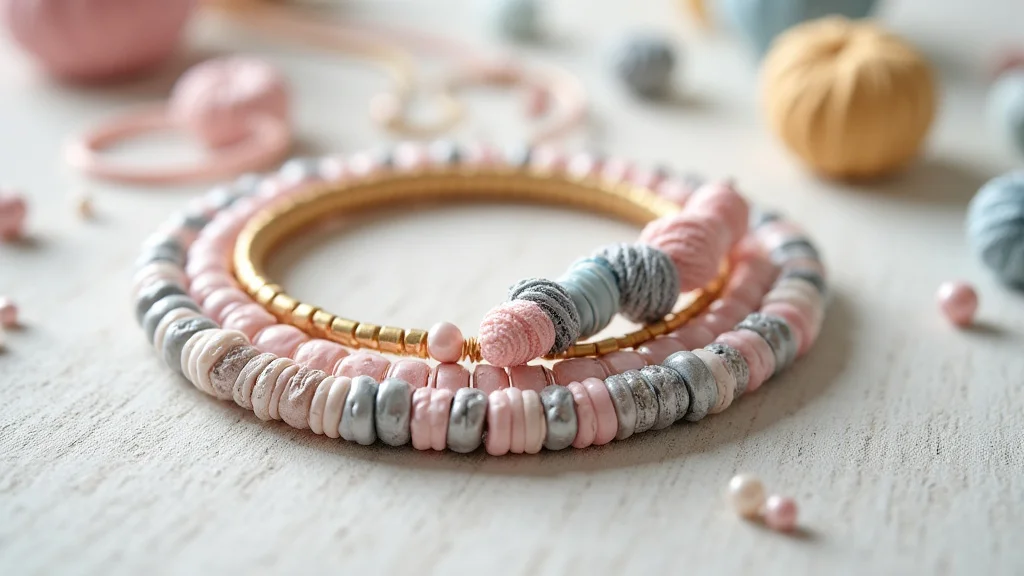
- Create a beaded bracelet. String beads onto a strong beading thread. Use different bead sizes and colors to add a unique flair.
Inspiration and Project Ideas
When you start with sewing beads, you’ll be amazed by the creative potential. Beadwork lets you personalize and decorate many different items. This section will spark ideas, with project options for any skill level. From adding a touch of sparkle to creating intricate designs, you can make beautiful things.
Projects for Beginners
- Embellished Clothing: Add beads to your clothing. This can improve the look and make it unique.
- Beaded Accessories: Design your own accessories. Beadwork is useful for enhancing everyday items.
- Simple Bead Embroidery: Use beads with standard embroidery. Combine beads with regular stitches for texture.
Start with simple projects, such as sewing beads onto a plain t-shirt or denim jacket. Add beads around the neckline, cuffs, or pockets. Use a single bead stitch to keep the process manageable. Consider using seed beads for a subtle look or larger beads for a bolder statement. You can also bead patches and then attach them to your clothes. This is a quick way to add sparkle.
Create beaded bracelets or necklaces. String beads onto elastic cord or beading wire. You can use various beads, like seed beads, bugle beads, and wooden beads. Making beaded earrings is also an option. Experiment with color combinations and bead shapes to make designs. Simple beaded hair clips or barrettes can add a touch of sparkle. These projects are simple, making them perfect for starting your beadwork journey.
Transfer a simple design, like a flower or a geometric shape, onto a piece of fabric. Use basic embroidery stitches to outline the design. Then, add beads to fill in the spaces or outline parts of your work. This creates an eye-catching design. Seed beads work well for adding detail. Consider a beaded border or pattern around your embroidery. The mixing of stitches and beads will help you learn the craft.
Advanced Projects
- Beaded Jewelry: Create your own jewelry. From necklaces to earrings, you can create intricate pieces.
- Beaded Home Decor: Use your skills to decorate your home. Beadwork can elevate your living space.
- Custom Clothing Embellishments: Design custom embellishments for your clothing. Let your imagination run wild.
Use more complex bead weaving techniques or intricate embroidery to create necklaces, bracelets, and earrings. Experiment with different bead shapes, sizes, and colors. This allows you to explore unique combinations. Beaded pendants or earrings offer intricate patterns and designs. Use finer beading thread and needles. Try adding gemstones or crystals with beads. These projects require advanced skills.
Create beaded wall art by embroidering intricate patterns onto canvas. Use various beads to add texture and depth. Embellish fabric with bead patterns. You can also make coasters or trivets, using bead weaving techniques. Consider creating beaded curtains or decorative panels. Home decor projects let you improve your skills while improving your living space.
Customize jackets, dresses, and other clothing pieces with intricate beadwork. Try creating patterns. You can also use bead embroidery to create unique designs. Experiment with different stitch styles. Add beads to jackets, dresses, and other clothing. This will allow you to explore different colors and styles. Your work can also improve your existing wardrobe.
Caring for and Maintaining Beaded Items
Proper care is essential to keep your beaded creations looking beautiful. By following simple guidelines, you can ensure that your projects remain lovely for years. Taking care of your sewing beads helps to protect your hard work.
Cleaning and Storage
- Cleaning Beaded Items: The way you clean will depend on the materials used. Always research the best method.
- Storing Beaded Items: Proper storage keeps your work in good condition. Prevent damage by storing things properly.
Gently hand wash beaded items with mild soap and cold water. For beadwork on clothing, turn the garment inside out before washing. Do not use harsh chemicals. Avoid machine washing or drying, as the agitation can damage the beads and thread. When cleaning jewelry, use a soft cloth to gently wipe the beads. Be careful of any metal parts. Proper cleaning practices will ensure that your beadwork looks great.
Store beaded items away from direct sunlight and humidity. Sunlight can cause the beads to fade, and humidity can weaken the thread. Store jewelry in individual pouches or boxes. This prevents beads from getting scratched or tangled. For beaded clothing, hang it or fold it carefully. Avoid anything that will crush or damage the beads. Safe storage will maintain the condition of your creations. Proper storage is necessary for beaded items.
Maintenance
- Repairing Beadwork: If beads or stitches come loose, repair them quickly to prevent further damage.
- Protecting from Wear and Tear: Use protective measures, especially on clothing, to extend the life of your beadwork.
- Re-stringing Jewelry: Over time, the thread on beaded jewelry may wear out. You may need to restring it.
If a bead or two becomes detached, reattach them promptly. Use the same thread type and technique originally used. Knot the thread securely to prevent it from coming undone. If the thread breaks in a larger area, remove loose stitches carefully. Then, re-stitch with new thread. Quick repairs keep small issues from becoming larger problems. Regular maintenance can prolong the life of your beadwork.
When beading clothing, consider the item’s use. Reinforce stitches in high-wear areas, such as cuffs or collars. If possible, avoid washing beaded items frequently. If you need to wash them, follow the care instructions. Consider adding a protective lining. Beading around the edges can also protect the embroidery. These steps help keep your projects beautiful.
Check the thread on your beaded necklaces and bracelets periodically for wear and tear. If it appears weak or frayed, restring it. You can purchase new beading thread. Use a needle and follow the original pattern. This will keep your jewelry looking good. Regular inspections can help you catch damage before it leads to bead loss. If you restring, your jewelry should look good again.
Common Myths Debunked
Myth 1: Beading is Extremely Difficult and Time-Consuming.
The truth is that while some techniques are complex, many simple beadwork projects are easy to learn. Basic techniques like single-bead application and stringing require little skill. With patience and practice, anyone can create beautiful beaded items without spending too much time.
Myth 2: All Beads Are the Same Quality.
Beads vary significantly in quality. The material used, the manufacturing process, and the finish can affect a bead’s look. Glass beads may be less durable than gemstone beads. Cheaper beads may have uneven surfaces. Therefore, choosing quality beads gives you better results.
Myth 3: Beadwork Is Only for Special Occasions.
Beadwork can be incorporated into everyday items. While elaborate beaded gowns are beautiful, you can add beads to everyday clothing. Adding beads to accessories or home decor will make them more unique. Beadwork does not have to be for special events. It can be for everyday life.
Myth 4: You Need Expensive Equipment to Begin.
You don’t need a lot of equipment to get started. Beading needles, thread, scissors, and a bead mat are enough to start. Over time, you can get more advanced tools. Many beading tools are available at a low cost. You can easily start this craft without breaking the bank.
Myth 5: All Beaded Items Are Delicate and Fragile.
The durability of beaded items varies. Items that are well-made with quality materials will be long-lasting. By using the right techniques, such as strong threads and secure stitching, you can create pieces that withstand wear and tear. Proper maintenance ensures that beaded items will last a long time.
Frequently Asked Questions
Question: What is the best thread for sewing beads?
Answer: Nylon or beading thread is durable and suitable for beadwork. Choose a color that matches the beads or fabric for a cleaner look.
Question: How do I keep beads from rolling away?
Answer: Use a bead mat to keep beads from moving. The soft surface keeps beads in place.
Question: Can I wash beaded clothing?
Answer: Hand wash beaded clothing with mild soap and cold water. Turn it inside out before washing.
Question: What is the best way to attach a bead to fabric?
Answer: Use a single bead stitch or a looped stitch. You can also use couching to secure beads in place.
Question: How do I choose the correct needle size?
Answer: Choose a needle size that matches the beads you’re using. The needle’s eye should pass through the beads easily.
Final Thoughts
Working with sewing beads opens up a world of creativity and expression. This skill gives you the ability to transform basic items into something special. From selecting the right beads and tools to mastering various techniques, you now have the tools needed to start. Practice the techniques. Explore projects. With each stitch, you will improve your skills. Embrace the fun of creating your own beaded designs. Remember, every project is a learning opportunity. This will help you grow. Enjoy the process. Unleash your creativity, and let your beadwork shine!