Ever tried to mend a ripped seam on your favorite shirt, only to get tangled in thread and confused about which technique to use? Or maybe you’ve admired a beautifully embroidered piece and wondered, what’s the difference between sewing and stitching? You’re not alone! The terms are often used interchangeably, leading to confusion. This guide clarifies the distinctions, explores the different methods, and provides you with the knowledge to start your own sewing projects. By the end, you’ll be able to confidently choose the right technique for any project, improving your craft skills and saving you time and money.
Key Takeaways
- Discover the fundamental differences between sewing and stitching.
- Explore various methods used in both sewing and stitching.
- Learn the tools and materials necessary for both techniques.
- Understand the best applications for different sewing and stitching techniques.
- Gain insights on choosing the right approach for your crafting needs.
- Find out how these techniques apply to real-world projects, from repairs to creations.
Unraveling the Basics: Sewing vs Stitching
At their core, sewing and stitching both involve joining fabric or materials using a needle and thread. The terms are often used together, and sometimes even synonymously. However, there are nuances that distinguish them. The main difference lies in the overall approach and application. Sewing generally refers to the process of using a machine or hand techniques to connect fabric pieces, often creating seams and garment construction. Stitching, on the other hand, is a broader term that encompasses any method of using needle and thread to manipulate material. This may involve embroidery, embellishment, or even simply securing a button.
This section will look at the fundamental differences between these two broad approaches. It’s a key distinction to become familiar with. You’ll gain a foundation to use throughout your journey in textile crafts and creations. It will help you choose the right methods for your projects.
Sewing Defined: Building with Fabric
Sewing is primarily focused on assembling fabric. It includes techniques like creating seams, attaching different pieces of fabric together to form garments or other sewn items. Sewing typically involves more complex construction methods, frequently utilizing machines or specific hand techniques. The goal is often to create functional and durable items. Sewing projects often require detailed planning, pattern following, and precise execution.
- Creating garments: The most common application of sewing is the creation of clothes. This includes cutting patterns, assembling the pieces, and attaching details like sleeves or collars. This typically involves the use of a sewing machine for speed and accuracy, though hand-sewing can also be used.
- Home décor items: Sewing is essential for making items for your home. You can sew curtains, pillows, bedspreads, and tablecloths. This involves measuring, cutting fabric, and constructing the items to the desired dimensions and style.
- Repairing clothing: Sewing is vital for repairing clothing. Whether it is mending a ripped seam, replacing a button, or hemming pants, sewing skills are essential for extending the life of your wardrobe. This includes basic hand-sewing techniques, as well as using a sewing machine for more complex repairs.
- Upholstery work: Sewing is also used for upholstery work. This involves covering furniture with fabric, which includes cutting, fitting, and attaching fabric to the furniture frame. Skilled upholstery involves specialized techniques for creating durable and attractive finishes.
- Making accessories: You can also use sewing to create accessories. This might be anything from handbags and wallets to tote bags and fabric jewelry. This often involves combining different fabrics and techniques to create unique and functional items.
Sewing is a practical skill with a long history. Sewing machines dramatically increased efficiency and accuracy, though hand-sewing remains an important skill. The craft offers a wide range of creative and practical opportunities.
Stitching Defined: Embellishing and Adorning
Stitching, in contrast, is the broader term. It includes various techniques used to manipulate fabric with a needle and thread. This may be for embellishment, decoration, or functional purposes. Stitching can involve embroidery, where decorative patterns are created on fabric, or simply attaching elements. This technique is often used to add detail, artistry, or repair to the fabrics.
- Embroidery: This involves using decorative stitches to create designs. It may include cross-stitch, satin stitch, or French knots. Embroidery can be used to add detail to clothing, create art, or personalize items. It often requires specific skill to execute different stitches and patterns.
- Mending and Repairing: Stitching is vital for repairing worn or damaged items. From reinforcing seams to applying patches, mending uses a variety of stitches to extend the life of garments. This often involves careful matching of stitches to the existing fabric and design.
- Appliqué: This involves attaching fabric pieces to a background fabric to create designs or patterns. Appliqué is used in quilting, clothing, and other crafts. You often use a variety of stitches to secure the appliqué pieces in place.
- Creating Quilts: Stitching is essential to quilt-making. Quilts are made by stitching together layers of fabric to create a warm and decorative item. This includes the piecing of quilt tops, the layering of batting and backing, and the quilting process to bind the layers together.
- Adding Embellishments: Stitching can be used to attach embellishments to fabric, such as beads, sequins, or ribbons. This technique adds detail to garments, accessories, or other crafts. This may involve simple hand-stitches or more complex techniques to secure the embellishments.
Stitching is often thought of as an art form as much as a practical skill. It provides opportunities for creative expression. It allows for detailed work and can transform ordinary fabrics into works of art.
Tools of the Trade: Essential Equipment
Both sewing and stitching require specific tools to get the job done right. Understanding the equipment is important. Choosing the right tools can have a great impact on the quality of the final result. Certain tools are used for both approaches, while others are specific to either sewing or stitching.
This segment discusses the essential tools needed for sewing vs stitching, from basic needles and threads to machines and specialized tools.
Common Tools for Sewing and Stitching
Several tools are used for both sewing and stitching. These tools are fundamental for preparing, measuring, and manipulating fabric. The right tools can make these crafts more enjoyable and improve the quality of the final product.
- Needles: A needle is fundamental. A variety of sizes and types exist for specific fabrics and projects. Sharp needles are used for general sewing and embroidery, while blunt needles are used for cross-stitch.
- Threads: Thread is another essential. You can choose from a range of materials, including cotton, polyester, silk, and linen. The type of thread should match the fabric and the project.
- Scissors or Rotary Cutters: Both are used for cutting fabric. Scissors are great for intricate cuts, while rotary cutters are more efficient for straight lines and larger pieces of fabric.
- Measuring Tools: These include measuring tapes and rulers to ensure accuracy. Measuring tapes are flexible for curved surfaces, while rulers are useful for straight lines and patterns.
- Pins: Pins hold fabric pieces together. These are essential for positioning fabric before sewing or stitching. Different types of pins exist, including ballpoint pins for delicate fabrics and glass-head pins for easy removal.
These basic tools are a must-have for any sewing or stitching project. Proper selection and use of these tools are essential for achieving the desired results.
Specialized Tools for Sewing
Sewing often requires specialized tools to achieve accuracy and efficiency. These tools are often designed to support the construction of garments or other sewn items.
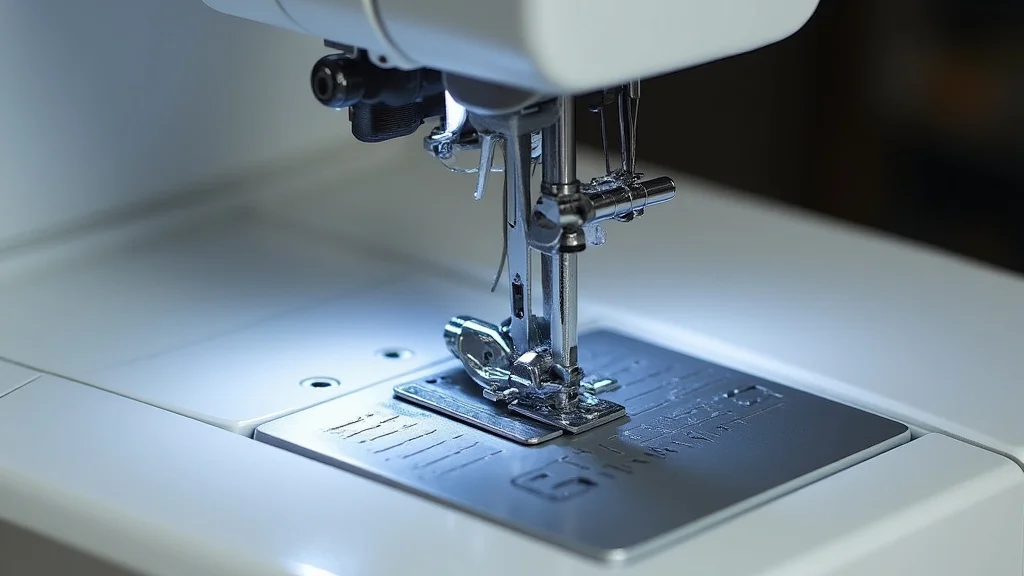
- Sewing Machine: This is the workhorse of sewing. Sewing machines automate many stitching processes and provide precision and speed. Machines come with multiple stitch options, making them versatile for different projects.
- Seam Rippers: This tool is a must for making errors. It helps in the removal of stitches without damaging the fabric.
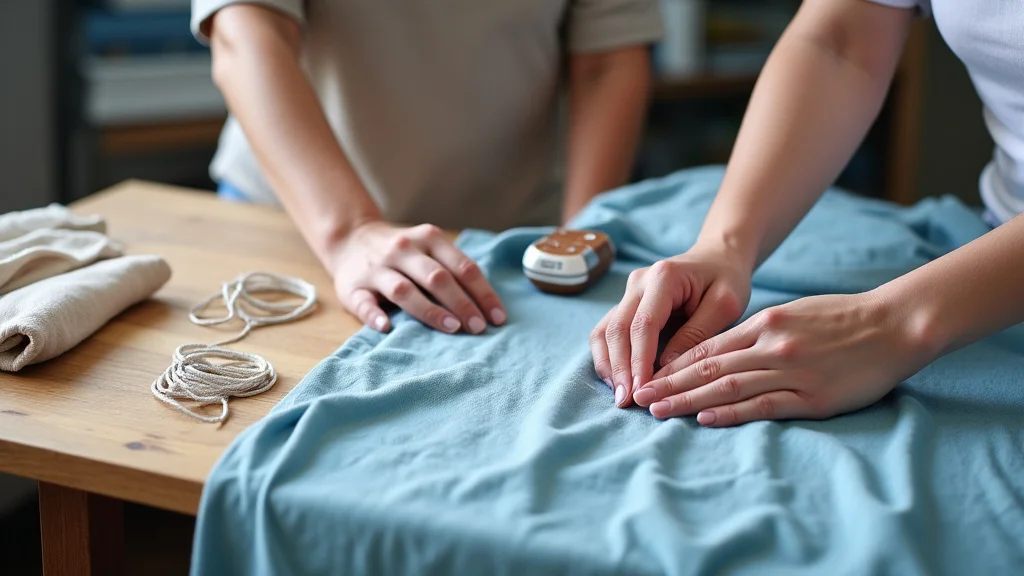
- Iron and Ironing Board: Ironing helps flatten fabric and set seams, improving the final appearance of projects. Ironing is essential for pressing seams. It is vital for accurate construction.
- Pattern Weights: These are used to hold patterns in place when cutting out fabric. This makes the process faster. It removes the need for pins.
- Needle Threader: Needle threaders make it easier to thread needles. This is extremely helpful, especially for those with vision problems.
Using these specialized tools improves the speed and precision of sewing projects. They are essential for creating professional-looking garments and other items.
Specialized Tools for Stitching
Stitching, especially when it involves detailed embroidery or other decorative techniques, calls for specialized tools that make the process more enjoyable. These tools often aid in design, fabric manipulation, and detailed execution.
- Embroidery Hoops: Hoops hold fabric taut, which makes stitching easier. They provide a stable surface for detailed work. Different sizes of hoops fit various projects.
- Embroidery Needles: These needles have larger eyes for threading thicker embroidery floss or yarn. The sharp point helps the needle to pass through fabric without issue.
- Stitch Guides: Stitch guides provide pattern and design assistance for creating specific designs. These can be transferred to the fabric and used as a reference during stitching.
- Scissors for Embroidery: These small, sharp scissors help cut thread. They are essential for clean, accurate finishing.
- Transfer Tools: Transfer tools, such as pencils or transfer paper, help you move designs onto the fabric. This process makes it easier to follow designs when stitching.
These tools are fundamental for achieving detailed and attractive results. They offer the necessary control and precision. They turn fabric into a canvas for creative expression.
Choosing the Right Technique for Your Project
Choosing between sewing and stitching depends on the project’s goal. Knowing the strengths of each method helps you select the best approach. The purpose of your project will guide this choice, from repairing a garment to designing an elaborate piece of art. Careful consideration ensures the desired outcome and improves your overall experience.
This section explores the various applications of both sewing and stitching. This segment provides tips for selecting the right technique for a range of projects.
When to Choose Sewing
Sewing is best used when you need to construct, assemble, or repair items. It excels in tasks that require precision, durability, and functional design. Here are some scenarios where sewing is preferred.
- Garment Construction: Sewing is perfect for creating clothes. It involves cutting, assembling, and tailoring fabric pieces. Whether you are creating a dress, shirt, or pants, sewing provides the necessary techniques to build garments from start to finish.
- Household Items: Sewing is the best choice for creating items for the home, like curtains, pillowcases, or bedspreads. Sewing allows for customizing these items to your home’s needs and design.
- Making Bags and Accessories: Sewing allows for creating bags, wallets, and other accessories. This method allows for a range of materials and designs. It allows for the addition of pockets, straps, and closures.
- Repairing Tears and Seams: Sewing is the best for mending tears, seams, and other fabric damage. Sewing extends the life of your garments. Whether it involves fixing a loose seam or replacing a zipper, sewing skills are vital.
- Creating Upholstered Furniture: Sewing is used to create upholstery, like covering furniture frames with fabric. Sewing helps create custom covers that improve the appearance and comfort of your furniture.
Sewing is a practical, functional method. It is the best choice for projects requiring structural integrity and durability.
When to Choose Stitching
Stitching shines in detail and decoration. It’s perfect when you want to embellish, personalize, or add decorative elements to fabric. Stitching allows for a wide range of creative expression and can transform ordinary fabrics into works of art.
- Embroidery Projects: Stitching, particularly embroidery, is perfect for adding designs to clothes, home décor, or accessories. Whether you are using simple stitches to create patterns or complex designs, embroidery adds a personal touch.
- Adding Embellishments: Stitching is used to attach beads, sequins, or other decorative elements to fabric. This enhances the visual appeal of the items. From adding beads to a dress to creating sequined designs, stitching provides methods for personalizing fabric.
- Mending and Repairing with Flair: Stitching can be used to repair garments with added detail. Decorative stitches can be used for reinforcement. This also adds personality to the repair.
- Creating Quilts: Quilts are created by stitching together layers of fabric. Whether you are piecing together quilt tops or quilting layers, the stitching is fundamental to building a quilt.
- Customizing and Personalizing: Stitching lets you personalize items. This may involve adding names, dates, or other unique details to fabric items. Stitching helps create special gifts and keepsakes.
Stitching is ideal when you want to add artistry, detail, or creative expression to your projects.
Real-World Applications: Examples in Action
The differences between sewing and stitching become clear when you look at examples of how they are used. By examining actual projects, you can better understand each technique. This segment includes real-life scenarios to illustrate the versatility of each method. It shows you how these techniques make practical and artistic items. The purpose is to demonstrate these practical applications and inspire your own creations.
Let’s explore a few case studies that will highlight how each technique can be applied.
Case Study 1: Sewing a Custom Dress
Imagine you’re designing a dress for a special event. You’ll need to follow these steps to use sewing:
- Choose a pattern and select the fabric. This process involves precise measurements, cutting the fabric, and following the pattern instructions.
- Cut the fabric pieces, matching the pattern instructions and ensuring the correct size and fit. This may require specialized cutting tools and techniques.
- Assemble the garment by sewing seams, attaching the sleeves, and adding any closures such as zippers or buttons. This may require the use of a sewing machine.
- Finish the garment with hems and any additional details, such as embellishments or linings. This process gives a polished, professional look.
The result is a custom-made dress. The process highlights the importance of precision, accuracy, and technical skill in garment construction.
Case Study 2: Embroidering a Personalized Pillow
Now, let’s explore a project using stitching: embroidering a personalized pillow. The steps include:
- Select a pillowcase and choose an embroidery design. Designs can be transferred onto the fabric using various transfer methods.
- Set up the embroidery hoop. Place the fabric within the hoop to keep the fabric taut. This makes stitching easier.
- Use embroidery floss to create the design. Employ different stitches (e.g., satin stitch, back stitch, and French knots). Each stitch adds different textures.
- Remove the embroidery hoop and finish the design. Trim the excess thread. Make sure all stitches are secure.
The embroidered pillow is a unique, personalized piece. This project reveals the creative and artistic side of stitching. The techniques involved may include a detailed understanding of stitches and design.
Case Study 3: Mending a Torn Jean
Suppose you are working to mend torn jeans using sewing and stitching. Here’s what it could look like:
- Assess the Damage: Evaluate the size and location of the tear. Clean the area.
- Choose a Method: You can use a patch, darning, or a combination of both.
- Attach the Patch (if used): Pin and sew the patch onto the jeans to reinforce the area. Use a sewing machine for this process.
- Darning the Fabric (if needed): Use a needle and thread to weave over the torn area. Overlap the edges. Mimic the original weave of the denim.
The repaired jeans show the value of sewing and stitching. This case shows how these techniques extend the life of clothing and save money. The final result is a mended garment that is functional and attractive.
Myth Debunking
Myth 1: Sewing is Only for Professionals
Many people believe that sewing is only for professional tailors and designers. In reality, sewing can be learned by anyone with patience and practice. Beginner projects, such as simple repairs, can be very rewarding. Online resources, classes, and communities are readily available to teach the basic skills and provide support. With practice, anyone can learn to sew garments and create useful items.
Myth 2: Stitching Requires Artistic Talent
Another myth is that stitching requires natural artistic talent. While an eye for design helps, the basic skills of embroidery and stitching can be taught. Many different resources can guide the learner with simple patterns to complicated designs. Practice and a willingness to explore different stitches and techniques are what matters.
Myth 3: Sewing Machines Are Too Complex
Some people think that sewing machines are too complicated for beginners. Many modern sewing machines have user-friendly features like automatic needle threaders. Basic models have a limited number of stitches, making them easier to learn. Tutorials and online guides are available to help you understand and use the various settings on a sewing machine.
Myth 4: Stitching is Time-Consuming and Impractical
Some people believe that stitching is too slow to be useful. It is true that detailed embroidery and stitching can take time. However, this is the strength, not a weakness. Stitching can be used to add embellishments to store-bought items to make them unique. Stitching can also be used to repair damaged clothing. These are very practical applications of the craft.
Myth 5: You Need Expensive Equipment to Get Started
The idea that you need expensive equipment to get started is not true. You can start with basic equipment to learn the fundamentals. You may begin with a needle, thread, scissors, and scrap fabric. As you improve your skills and take on more complicated projects, you may slowly add to your equipment. You can build up your collection over time.
Frequently Asked Questions
Question: What’s the best way to start learning to sew?
Answer: Begin with basic skills, like threading a needle and mastering basic stitches. Practice on scrap fabric, and then proceed with beginner projects, like simple repairs.
Question: Can I use a regular sewing machine for embroidery?
Answer: Some sewing machines have embroidery capabilities, but hand embroidery often offers more creative control and detail.
Question: What type of thread is best for beginners?
Answer: All-purpose cotton thread is an excellent choice. It is easy to work with and appropriate for many projects.
Question: How do I choose the right needle for my project?
Answer: The needle should match your fabric. Heavier fabrics need thicker needles, while delicate fabrics require finer needles.
Question: Are there any online resources for learning sewing and stitching?
Answer: Yes! YouTube, online courses, and blogs provide tutorials and inspiration. Many online communities give support.
Final Thoughts
Now, you have a solid grasp on the distinctions between sewing and stitching. You have learned the best uses for each technique, from constructing garments with a sewing machine to adding intricate details with embroidery. You also have a better idea of the tools, materials, and potential projects involved. You can now approach your crafting projects with greater confidence. Whether you are creating new items or repairing old ones, knowing the difference allows you to be more successful in your projects. Begin small. Explore various techniques and don’t be afraid to experiment. Happy crafting!