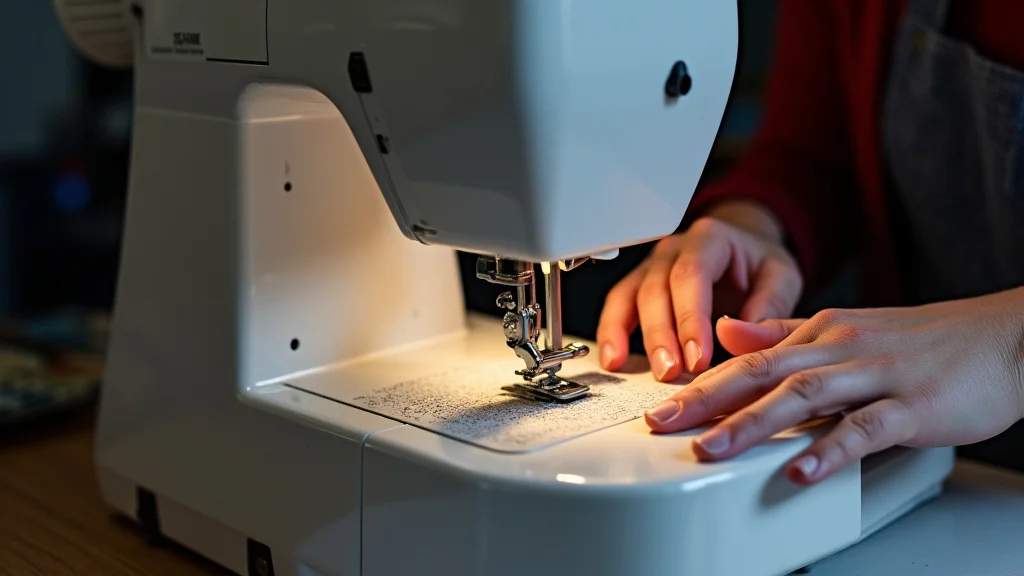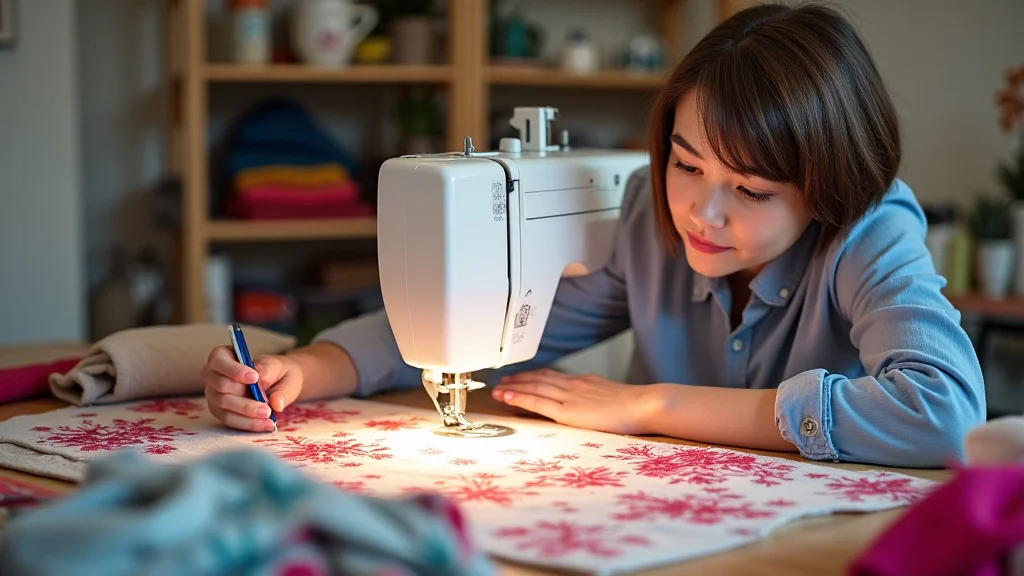
Ever feel the itch to create something unique, maybe a dress for a special occasion or a cozy quilt for your bed? Maybe you’ve seen those incredible projects on Sewing Street TV and thought, “I wish I could do that!” Well, you absolutely can! This guide will break down the essentials, making it easy for anyone to get started. We’ll explore the basics, from choosing the right fabric to mastering the sewing machine, so you can turn your creative ideas into reality. By the end, you’ll feel confident to start your sewing adventure, improving your skills in fabric art, and reducing any initial fear. This is about to get fun and easy!
Key Takeaways
- You will learn the fundamental tools and materials needed for sewing.
- Discover how to use a sewing machine with confidence.
- Understand different types of fabric and their best uses.
- Get valuable tips for measuring, cutting, and pinning fabric accurately.
- Explore basic sewing techniques like seams and hems.
- Gain inspiration for starting your first sewing project.
Getting Started with the Fundamentals
Before you can begin creating amazing projects, you need to gather some basic supplies. Think of it like a painter needing brushes and paints. This section covers the essential tools and materials that will set you up for success. We’ll explore the key items, what they do, and how to choose the right ones. No need to feel overwhelmed; we’ll focus on the must-haves, making the process simple and enjoyable. Learning these fundamentals is a solid foundation to build upon. This will lay the groundwork for a more rewarding sewing experience.
Essential Tools for Sewing
Having the right tools is like having the right tools for a construction job. These are the items that will make your sewing projects easier and more precise. From scissors to needles, each tool serves a specific purpose, contributing to the overall quality of your work. Consider these tools as your companions throughout your sewing journey. Choosing quality tools from the start can save time and frustration in the long run. Let’s explore these important sewing essentials in more detail.
- Sewing Machine: This is the workhorse of your sewing setup. It uses needles and threads to create stitches. Choose a beginner-friendly model with simple features and a straightforward interface.
- Scissors and Rotary Cutter: Sharp tools are essential for cutting fabric precisely. Use fabric scissors specifically for fabric to keep them sharp. A rotary cutter paired with a cutting mat provides an alternative for straight cuts.
- Measuring Tools: A tape measure and a clear ruler are used to accurately measure fabric and patterns. Accurate measurements are critical for a great outcome.
- Needles and Pins: These are used for temporarily holding fabric pieces together before sewing. Different types of needles are suited for various fabrics.
- Thread: High-quality thread that matches your fabric is essential. Choose a general-purpose thread for most projects, and experiment with specialty threads.
A sewing machine is the central tool for almost every sewing project. It automates the process of stitching fabric together. Beginner machines usually include features such as straight stitch, zigzag stitch, and buttonhole function, which are perfect for learning and building basic skills. Researching and selecting a machine that meets your present and potential needs is key. These days, there is a wide range of machines, so start with the basics to ensure you don’t feel overwhelmed.
Having the right cutting tools is critical for accurate fabric preparation. Fabric scissors should be kept exclusively for cutting fabric to prevent them from becoming dull, which can damage your fabric and ruin your project. A rotary cutter is a tool with a circular blade, used along with a cutting mat and ruler, and provides a way to make precise, straight cuts. These two types of cutting tools offer flexibility to tackle various project requirements, improving the overall quality and speed of your work.
Precise measurements are fundamental to sewing, influencing the fit and appearance of your project. A flexible tape measure is used to measure curves and lengths of fabric, while a clear ruler helps with straight lines and pattern markings. Accurate use of measuring tools ensures your fabric is correctly sized and cut, minimizing errors and improving the overall look. Proper measuring ensures projects are made correctly.
Pins and needles are essential for temporarily holding fabric pieces together before sewing. These tools enable you to position and prepare your fabric to be sewn. Using pins helps you to ensure seams align correctly and prevent the fabric from shifting during the sewing process. Needles, on the other hand, are the central tool for stitching the fabric. Selecting the proper needle type is important for the fabric type. For example, a sharp needle is suitable for woven fabrics, and a ballpoint needle is suitable for knit fabrics.
Thread is the essential component of sewing. It is the material used to create the stitches that hold your fabric pieces together. Thread comes in various types, colors, and materials. Thread needs to match the fabric in terms of weight, color, and function for your project. A mismatched thread can lead to weak seams, color transfer, or other problems, so choosing the right thread is key. Experimentation is welcome and can add a special touch to your sewing.
Must-Have Materials
Beyond the tools, you’ll need the right materials to bring your ideas to life. The fabric you choose, the type of thread you use, and the interfacing you add all play a role in your project’s success. This section will guide you through the essential materials needed, emphasizing how each can affect your project. From the textures of the fabric to the quality of the thread, knowing your materials empowers you to make great decisions.
- Fabric: The choice of fabric greatly affects the final look and feel of your project. Start with beginner-friendly fabrics like cotton, which is easy to handle and sew.
- Interfacing: This is a non-woven material added to fabric to provide structure and support, like to collars and cuffs.
- Pins and Needles: We already touched on these tools earlier; but it’s important to have enough of these so you’re not slowed down during projects.
- Thread: High-quality thread is just as important as your fabric choices. Match the thread color to your fabric for a professional look.
The fabric you choose is a vital decision in any sewing project. It determines the project’s texture, weight, and general properties. Beginners typically prefer cotton because it’s easy to work with and available in many styles and colors. Understanding the various fabric types can help you make an informed decision for each project. Knowing which fabrics work well with your design ensures the look and feel you desire.
Interfacing is a crucial material that adds structure and stability to your sewing projects. It comes in various weights and is attached to the wrong side of the fabric. It’s often used in collars, cuffs, and waistbands to add body and stiffness. Interfacing helps maintain the desired shape and prevents the fabric from stretching or losing its form. Choosing the right interfacing for your project is important for achieving the desired results.
Pins and needles are essential for holding fabric pieces together before you stitch. Pins are used to keep fabric layers aligned and prevent them from shifting during cutting or sewing. Needles are used by the sewing machine to create the stitches that hold the fabric pieces together. You’ll need an assortment of pins and needles of different sizes to accommodate your fabric and the sewing machine’s needs. Proper pin and needle selection ensures the project goes smoothly and results in a polished finished product.
Thread is the material used to form stitches, securing the fabric pieces together. Choosing the correct thread is critical for the durability and appearance of your project. Use a high-quality thread that matches the fabric in weight and color. For beginners, a general-purpose thread works well. The thread’s color should blend with the fabric for a polished look. Making the right thread choices is essential to your project’s longevity and aesthetics.
Mastering the Sewing Machine Basics
The sewing machine can appear complex at first, but with practice, you’ll find it quite straightforward. Understanding its components and how they work together is the first step toward confidence. This section focuses on essential operations such as threading the machine, adjusting settings, and sewing straight seams. We’ll simplify each stage, building your confidence as you progress. Soon, you’ll feel comfortable using your sewing machine for all sorts of projects.
Getting to Know Your Machine
Before you begin sewing, it’s helpful to learn the parts of your sewing machine. This familiarity will improve your comfort level and provide understanding of the machine’s inner workings. From the needle to the foot pedal, each part of your machine plays a key role. Understanding each component makes operating your sewing machine simple and enjoyable. Learning about the parts of your machine will help you use it with ease.
- Needle: The needle is the core of your machine. It passes the thread through the fabric to create stitches.
- Thread Spool: This holds the upper thread that feeds through the machine.
- Bobbin: The bobbin holds the lower thread, which interlocks with the upper thread to form a stitch.
- Foot Pedal: This controls the speed of the machine. The harder you press, the faster the machine sews.
The needle pierces through the fabric, carrying the thread to create stitches. Needles come in different sizes and types, depending on the fabric you are using. Knowing which needle to use for each fabric ensures your stitches are neat and the fabric isn’t damaged. Inspect the needle before each use to ensure it isn’t bent or blunt. Changing needles often is a great practice, and improves the quality of your work.
The thread spool holds the top thread that the sewing machine uses to make stitches. The thread feeds from the spool through several guides and tension discs before it reaches the needle. Setting up the thread spool correctly is important for smooth and consistent stitching. Always double-check that the spool is properly seated and the thread is passing through all the guides. Without a functional thread spool, your sewing machine will not work properly.
The bobbin holds the lower thread that works with the upper thread to form stitches. It sits inside the bobbin case, and the thread feeds up to meet the upper thread to lock the stitch. Winding the bobbin correctly is key to ensuring that you have enough thread. Maintaining the bobbin case and winding the bobbin appropriately results in consistent stitches. Learning how to manage your bobbin is essential for seamless sewing.
The foot pedal controls the speed of your machine. Pressing lightly starts the machine slowly, and pressing harder speeds it up. Learning to control your speed is important, especially when sewing around corners or curves. Practice controlling the foot pedal to maintain a steady speed. Using the foot pedal effectively ensures you sew accurately and avoid mistakes. It might take a bit of practice, but with time, you’ll be able to control your speed like a pro.
Threading Your Machine
Threading a sewing machine might seem complex at first, but with a bit of practice, it becomes second nature. Accurate threading ensures the machine works correctly, and the stitches look neat. Follow the steps, paying close attention to each point, and you’ll be threading like a pro in no time. Proper threading guarantees your projects turn out as expected.
- Spool Placement: Place the thread spool on the spool pin.
- Upper Thread Path: Follow the numbered diagram on your machine to guide the thread through the tension discs and up to the needle.
- Threading the Needle: Use the needle threader (if your machine has one) or thread the needle manually, always from front to back.
Begin by putting the thread spool on the spool pin, usually located on the top of the machine. Make sure the spool is secure and positioned correctly. Place the spool securely to keep the thread feeding properly and preventing it from tangling or breaking. Proper placement is the first step toward correct threading, ensuring the thread is ready to move through the machine.
Next, follow the numbered diagram on your machine to guide the upper thread. This path leads the thread through the tension discs and the thread guides. The diagram helps ensure that the thread is properly tensioned and routed to the needle. Following the diagram prevents skipped stitches, thread breaks, and other issues. Pay attention to each step to ensure the thread moves correctly throughout the machine.
The final step is to thread the needle. If your machine includes a needle threader, use it to make the task simple. Otherwise, carefully thread the needle from front to back. Ensure that the thread passes through the needle’s eye correctly. Correct needle threading is essential for the sewing machine to create the stitches. This step ensures that the thread is in place to pick up the bobbin thread and begin sewing.
Sewing a Straight Seam
Sewing a straight seam is the core of many sewing projects. This method establishes a basis for various techniques and projects. Practice, accuracy, and patience are key. With consistency, you will be producing smooth, even seams in no time. This skill is critical for any beginner to master.
- Fabric Preparation: Place two fabric pieces together, right sides facing.
- Stitch Length: Select a stitch length appropriate for the fabric. A general-purpose stitch length is between 2.5 and 3 mm.
- Sewing: Start sewing with the fabric under the needle. Guide the fabric slowly, keeping a consistent seam allowance.
Begin by arranging two fabric pieces, placing the right sides together. The right side is the side of the fabric you want to see. Pin the fabric pieces together along the edge you wish to sew. Proper placement ensures that the seam is neat and the finished project appears as intended. Take your time to align the edges and pin correctly for accurate sewing.
Choose a stitch length appropriate for your fabric. The stitch length determines how far the needle moves with each stitch. For basic sewing, a general-purpose length of 2.5 to 3 millimeters usually works well. Adjusting the stitch length can affect the strength and appearance of your seam. Testing the stitch length on a scrap of fabric is a good practice to ensure the appearance and performance of the seam are perfect.
Place the fabric under the needle and start sewing. Guide the fabric along the edge slowly, ensuring you maintain a consistent seam allowance. Use the seam allowance guide on your machine to maintain precision. Pay attention to the fabric and adjust your speed and direction as needed. Proper guidance helps produce a seam that is straight and neat. Slow and steady wins the race when it comes to sewing.
Fabric Selection and Preparation
Choosing the right fabric and preparing it properly are critical steps for any project. Fabric selection impacts the project’s appearance, texture, and durability. Proper preparation ensures that your project is smooth and accurate. This section helps you understand the basics of fabric selection, how to wash and iron fabric, and how to measure and cut it. Learn these steps and your sewing projects are sure to be a success.
Understanding Fabric Types
Knowing the different types of fabric will help you choose the right material for your project. Each type has its properties and uses, from the soft drape of cotton to the durability of denim. Learning the specifics of each material will make you a more confident sewer. This detailed knowledge allows you to select the best fabrics for your sewing projects.
- Cotton: Versatile, easy to sew, and comes in various weights and prints. Suitable for beginners.
- Polyester: Durable, wrinkle-resistant, and suitable for clothing and home decor.
- Linen: Natural, breathable, and slightly more difficult to work with, giving a beautiful drape.
- Silk: Luxurious, delicate, and often used for special occasion wear. Requires experience to handle.
Cotton is a commonly used fabric. It is popular because it is easy to sew, comfortable, and comes in a wide range of colors and prints. It is ideal for beginner sewers. Cotton is often the best choice for beginners due to its simplicity and flexibility. There are numerous cotton varieties, each with its unique characteristics. It is a fantastic option for various sewing projects.
Polyester is a durable, wrinkle-resistant fabric often used for clothing and home decor items. It is ideal for projects that require a long-lasting fabric. Polyester is a good choice if you’re looking for something that is both practical and easy to maintain. It is a popular option in today’s textile market. It resists shrinking and fading, making it a reliable option for all sorts of sewing projects.
Linen is a natural fiber known for its breathability and elegant drape. While it can be more difficult to work with than cotton, the finished result is often very beautiful. It is perfect for summer clothing and home decor items. Linen’s texture and natural properties result in stylish and functional items. Its unique characteristics require careful handling, but the results are worth the effort.
Silk is a luxurious, delicate fabric ideal for special occasion wear. It requires skill to handle due to its fineness. Sewing with silk requires precision and care to achieve stunning results. Silk adds an elevated look to any project, whether it’s a dress or a scarf. Its distinctive drape and sheen make it a favorite for elegant designs. Sewing with silk will test your skills and reward you with unique and beautiful creations.
Washing and Ironing Fabric
Washing and ironing fabric is important to get the best results from your projects. Washing fabric helps it shrink before you start sewing, preventing your finished project from shrinking later. Ironing removes wrinkles and prepares the fabric for accurate cutting and sewing. These two steps will ensure your finished projects look great and last longer.
- Pre-Washing: Always pre-wash fabric to prevent shrinking after your project is complete.
- Drying: Dry fabric according to the care instructions. Avoid high heat, which can damage fibers.
- Ironing: Iron fabric to remove wrinkles. Use the appropriate heat setting for the fabric.
Pre-washing your fabric is a great step to ensure that your finished project maintains its size after it’s washed. Wash the fabric as instructed on the care label, either in a machine or by hand. Pre-washing the fabric will allow it to shrink before you start sewing. This helps prevent the garment from shrinking after it is finished. Ignoring pre-washing can lead to changes in your finished project.
Always dry fabric according to the manufacturer’s care instructions. High heat can damage the fibers and cause shrinkage or distortion. Use a low heat setting or air dry your fabric whenever possible to preserve its quality. Proper drying ensures your fabric is ready for cutting and sewing. Following these drying guidelines helps protect your material and extends the life of your finished project.
Ironing fabric is essential to remove wrinkles and smooth the fabric before cutting and sewing. Use the right heat setting for the material. Start with a lower temperature and work your way up if necessary, to avoid damaging the fabric. Ironing your fabric correctly will ensure accurate measurements and smooth seams. A well-ironed fabric simplifies the sewing process.
Measuring, Marking, and Cutting
Accurate measuring, marking, and cutting are essential for a good outcome. Precise measurements and markings ensure that your pieces fit together. Careful cutting is required for neat edges and accurate shapes. These steps influence the overall quality of your work. By mastering these techniques, you’ll be able to create stunning projects.
- Taking Measurements: Use a tape measure to measure fabric and patterns accurately.
- Marking: Use chalk, fabric markers, or pins to mark the fabric for cutting.
- Cutting: Use sharp scissors or a rotary cutter to cut the fabric precisely.
Use a tape measure for accurate fabric and pattern measurements. Measure twice and cut once. The accuracy of measurements is crucial for the finished project’s fit and appearance. Correct measurements ensure that your pieces align correctly. Taking accurate measurements guarantees the dimensions of your finished product.
Use chalk, fabric markers, or pins to mark your fabric for cutting. Marking lines is key to ensuring that you cut the fabric pieces correctly. Well-marked lines help you maintain precision while cutting, and keep you from mistakes. Always mark the fabric according to your pattern instructions. Precise marking ensures accuracy, which helps make a great outcome.
Use sharp scissors or a rotary cutter to cut the fabric with precision. Sharp tools are essential for cutting straight lines and smooth curves. Use fabric scissors, as they are specially designed for cutting fabric. Cutting precisely ensures that your fabric pieces fit together accurately. Correct cutting ensures that the pattern pieces match and your project looks polished.
Basic Sewing Techniques
Mastering basic sewing techniques will open up a new world of possibilities. These simple yet critical skills, such as sewing seams and hemming, are the basic building blocks for any sewing project. This section gives you the knowledge to confidently handle these techniques. With time and practice, you will create neat and sturdy finishes.
Seam Basics
Seams join pieces of fabric together to form the structure of your project. Understanding the different types of seams and how to sew them will improve the strength and look of your work. From straight seams to more complex ones, each kind is made for a specific purpose. Mastering seams will build up your sewing skills and expand your design options. Learning how to create beautiful seams is an important step on your sewing adventure.
- Straight Stitch Seam: This is the basic seam for joining fabric edges.
- Seam Allowance: Keep a consistent seam allowance (typically 1/2 inch) for uniform results.
- Reinforcing Seams: Backstitch at the start and end of a seam to secure the stitching.
The straight stitch seam is a foundational seam used for joining fabric edges. It’s the most widely used seam and is simple to create. Align the fabric edges and sew a straight line along the edge. The straight stitch seam is adaptable and can be used on most sewing projects. Master this skill and you will find it useful in many projects.
A seam allowance is the distance between the fabric edge and the stitching line. Keeping a consistent seam allowance, typically 1/2 inch, provides a uniform appearance and ensures the fabric pieces fit together accurately. Precise seam allowances are key for getting the proper shape and proportions of your project. Consistent seam allowances are a hallmark of well-made sewing projects.
Reinforcing seams by backstitching the beginning and end of the seam adds durability and prevents the threads from unraveling. Backstitching locks the stitches in place, preventing the seam from pulling apart with wear and tear. Backstitching is a must for any project that experiences wear, such as clothing or home decor. Reinforcing seams improves the longevity of your projects, ensuring they will last for years.
Hemming Techniques
Hemming gives a clean finish to the edges of your fabric. Proper hemming ensures your projects look professional and last a long time. Explore several hemming methods and how to choose the right one for your project. Whether it’s a simple hem for a skirt or a decorative hem for a dress, you’ll learn how to get the perfect finish.
- Single Fold Hem: Fold the raw edge over once and stitch in place.
- Double Fold Hem: Fold the raw edge over twice to enclose the raw edge.
- Blind Hem: Use a blind hem stitch on your machine to create an invisible hem.
A single-fold hem is when you fold the raw edge of the fabric over once and stitch it in place. This technique is simple and quick to use, making it ideal for basic projects. The single-fold hem offers a neat and functional finish. A single-fold hem can be used on straight edges where you desire a fast, easy, and clean edge.
A double-fold hem is created by folding the raw edge of the fabric over twice, enclosing the raw edge inside. The double-fold hem provides a strong and polished finish. It’s an excellent option for hems on clothing and other projects that experience heavy use. The double-fold hem is a great choice for areas that need extra strength or that will be exposed.
A blind hem creates a nearly invisible finish. The blind hem stitch sews a few threads on the right side of the fabric, making the stitching nearly invisible. This method is often preferred for dress pants, skirts, and other projects where a smooth finish is desired. The blind hem provides a stylish and refined look.
Starting Your First Project
With basic skills and knowledge, it’s time to begin your first project! Start with something simple to build confidence, and then try more complex items as your skills grow. This section gives you practical examples of easy sewing projects and some tips. Your first project should be fun and fulfilling. Let’s make some amazing things!
Easy Project Ideas
Begin with simple projects to develop your sewing skills. Simple projects allow you to practice and gain confidence before taking on harder tasks. These projects are beginner-friendly and great for anyone starting. These projects can be completed quickly and will give you a sense of achievement.
- Simple Pillowcase: A straight seam project. Practice sewing straight lines and finishing edges.
- Tote Bag: Practice sewing straight seams and box corners to create a practical item.
- Simple Scrunchies: Easy to make and a quick way to practice sewing curves and elastic.
A simple pillowcase is a great first project because it involves straight seams and basic finishing techniques. It’s a quick project that allows you to practice sewing straight lines. Choose some pretty fabric and measure and cut it. Sew the sides, hem one edge, and you have your first project.
Making a tote bag is another great beginner project. It is great for developing your straight-seam sewing skills. You can practice sewing straight lines and box corners. This project is a great combination of simple construction and functional design. Plus, the end result is a handy, custom-made bag you can use daily.
Scrunchies are easy to create, making them ideal for practicing curve sewing and elastic insertion. They’re quick projects that let you use up fabric scraps and get immediate results. It is also an easy way to explore color combinations. You will love making these fun and useful hair accessories!
Tips for Beginners
Beginner sewing has its own unique learning curve. These tips will help you avoid problems and make your sewing journey fun. With patience, practice, and the right approach, you will be making great projects in no time. Follow these ideas, and you will find your sewing experience easier and more rewarding.
- Take Your Time: Don’t rush. Sew slowly and carefully, especially when beginning.
- Practice: Practice on scrap fabric to get comfortable with your machine.
- Read Instructions: Follow pattern instructions carefully. Take it step-by-step.
It’s important to approach sewing with patience. Sew slowly, especially when you are just beginning, so that you can create accurate results. Slow and steady sewing will help you to avoid mistakes. Slowing down lets you focus on your work and see your stitches. By going slow, you can improve your skills and build confidence.
Practice on scrap fabric before you start a real project. Practice allows you to become familiar with the machine and stitch settings. Experimenting with different fabrics and techniques helps you develop your skills. Practice allows you to make corrections without ruining your main project. Making the most of scrap fabric will help you to learn and grow.
Always carefully read and follow the instructions. Instructions are often made so that your project is a success. Taking each step one by one helps you avoid confusion. Following instructions helps you get the best outcome. Make sure you read through the directions before you start sewing.
Common Myths Debunked
Sewing can sometimes seem complex, but many myths can cause confusion. This section addresses common misconceptions and provides clear facts. From the idea that sewing is only for experts to the belief that expensive equipment is a must, we will reveal the truth. Knowing these facts will help you eliminate any fears and begin your sewing adventure with confidence.
Myth 1: Sewing is too complicated for beginners.
Many people assume that sewing requires advanced skills. The truth is that learning to sew is much like learning any new skill: It’s all about taking one step at a time. With the right guidance and simple projects to begin with, anyone can learn to sew. Starting with the basics and moving to more difficult projects builds confidence and skill over time.
Myth 2: Sewing requires expensive equipment.
You don’t need a high-end sewing machine to begin. You can start with a basic, affordable model that does everything you need to start. The focus should be on building skills and practicing. As you get better, you can explore adding advanced tools. The quality of your materials is more important than expensive equipment.
Myth 3: Sewing is too time-consuming.
It’s true that some sewing projects take a while to finish, but you can find a project to suit your time. Simple projects like pillowcases or scrunchies take a short time to complete. With practice, sewing can become faster, and it is also a great relaxation practice. Enjoy the sewing process and your finished products.
Myth 4: Sewing is only for making clothes.
Sewing can be applied to a wide range of projects, not only making clothes. It is used to make home decor items, such as curtains and pillows. Sewing is also ideal for making custom gifts and unique accessories. Sewing projects are an excellent creative outlet.
Myth 5: You need to be a perfectionist to sew.
It’s good to strive for quality results, but you don’t need to be perfect to sew. Mistakes are part of the learning process, and every sewer makes mistakes. The main goal is to improve your skills and have fun. The beauty of sewing is to turn your mistakes into a learning opportunity.
Frequently Asked Questions
Question: What’s the best type of fabric for beginners?
Answer: Cotton is usually the best fabric for beginners because it’s easy to handle and sew.
Question: How do I choose the correct thread for my project?
Answer: Choose a thread that matches the weight of your fabric and the color you want.
Question: Should I pre-wash my fabric?
Answer: Yes, pre-washing your fabric is a must to prevent shrinking after your project is completed.
Question: How do I know how much seam allowance to use?
Answer: Most of the time, the standard seam allowance is 1/2 inch, unless the pattern says otherwise.
Question: How can I keep my fabric from slipping while cutting?
Answer: Using pins or pattern weights can help hold the fabric securely when cutting.
Final Thoughts
This guide has equipped you with the fundamental skills for diving into the world of fabric artistry. You now have the knowledge of essential tools, the sewing machine, and fabric selection. You’ve also explored the core sewing techniques. Remember, the key to success is practice and patience. Start small, try new things, and don’t be afraid to make mistakes. Each stitch is a step forward, and every project is a chance to learn and grow. So, grab your fabric, thread your machine, and start creating! The world of sewing street tv and beyond is waiting for you to make your mark. Enjoy the process, and most of all, have fun creating!