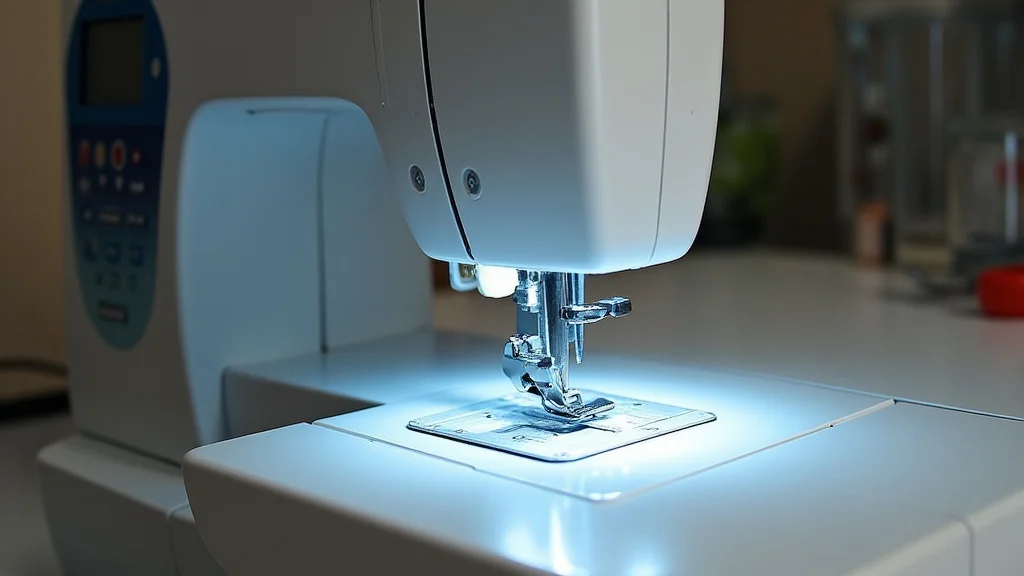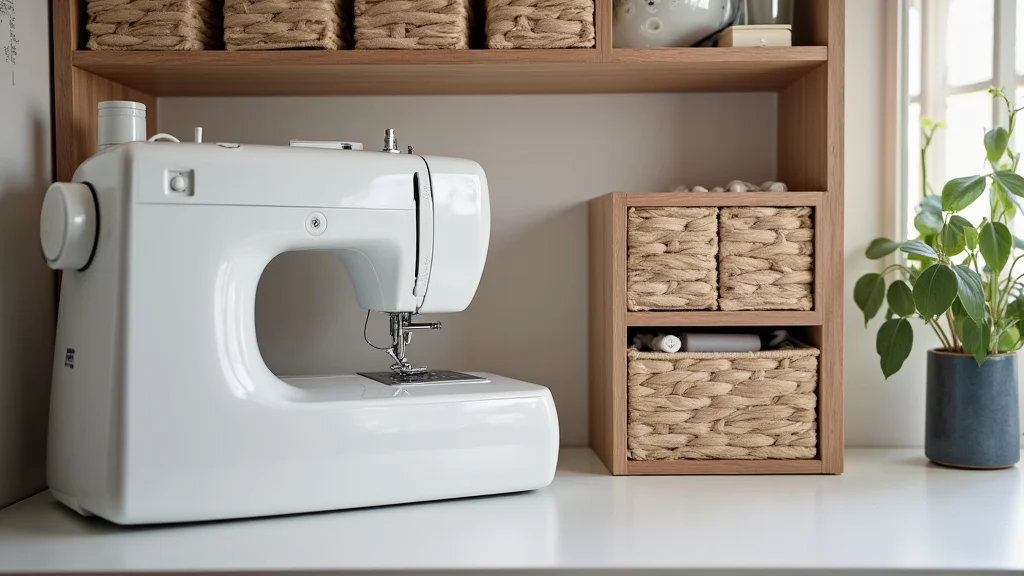
I recently tried to find a specific spool of thread in my sewing room, and let’s just say, it took longer than expected. It felt like I was searching through a crafting Bermuda Triangle! Sound familiar? If your sewing room closet is a chaotic mess, you’re in the right place. This post is all about sewing room closet storage ideas to transform your space into an organized haven. You’ll learn how to maximize space, organize supplies, and make your crafting experience a lot more enjoyable, increasing your creative output. Get ready to turn your clutter into creativity!
Key Takeaways
- Learn how to optimize vertical space within your sewing room closet.
- Discover a variety of storage solutions perfect for fabric scraps, patterns, and notions.
- Find practical tips for organizing different types of sewing supplies efficiently.
- Understand how to implement a system for easy access and maintain a tidy space.
- Gain creative sewing room closet storage ideas to match your style.
- Learn how to minimize clutter and make the most of your crafting area.
Maximizing Space with Vertical Sewing Room Storage
One of the biggest challenges with a sewing room closet is often a lack of space. Many closets feature only a single rod for hanging clothes. However, with some clever strategies, you can significantly increase your storage capacity by utilizing vertical space. This approach is especially effective in small sewing rooms or apartments where space is at a premium. Think about how much unused vertical space you currently have and how you can convert this into useful storage.
Utilizing Shelving Systems for Storage
Shelving systems are the backbone of efficient vertical storage. They provide a structure for organizing supplies and maximizing the available space. Consider adjustable shelving units, which allow you to customize the shelf height based on the items you need to store. This flexibility is particularly useful for accommodating various sizes of fabrics, notions, and sewing machines. Shelving systems can be purchased pre-made or custom-built, depending on your needs and budget. The key is to select a system that fits your closet dimensions and can support the weight of your sewing materials.
- Adjustable Shelves: These shelves can be moved up or down to accommodate items of different sizes, providing flexibility as your storage needs change. This is essential for storing larger items like fabric bolts alongside smaller items like thread spools.
- Freestanding Shelves: These are easy to install and move, making them a great option if you rent or want flexibility in your organization. They don’t require any drilling or permanent changes to your closet.
- Built-in Shelves: These are permanently installed and offer a custom fit for your space, maximizing the available storage. This option may require some DIY skills or the assistance of a carpenter.
- Over-the-Door Organizers: These are ideal for storing small items like threads, bobbins, and scissors, freeing up shelf space. They utilize the usually unused space on the back of the closet door.
Adjustable shelving systems allow you to tailor the spacing between shelves. This is especially beneficial for storing different-sized items, from large fabric bolts to smaller thread spools and notions. By adjusting the shelf heights, you can avoid wasted space and create a customized storage solution. This adaptability is invaluable, as your sewing supply collection grows and changes.
Freestanding shelving units offer a simple, cost-effective storage solution for small spaces. They can be found in various materials, including wood, metal, and plastic. Look for units that fit your closet’s dimensions, ensuring you can still easily access items. For example, a narrow shelving unit can fit perfectly behind the door of a sewing closet. Consider their ability to support the weight of your sewing materials.
Built-in shelves are great for maximizing every inch of your sewing room closet. They provide a tailored storage solution perfectly suited to your specific needs. They can span the entire width of the closet or be integrated around existing features such as pipes or windows. Although this requires more initial investment and potentially professional help, it is a great long-term investment. They offer unparalleled stability and aesthetics.
Over-the-door organizers are a great way to use vertical space effectively. These organizers can have many pockets, clear compartments, or shelves. The design is practical for keeping smaller items within easy reach. They attach easily with hooks that fit over the door, so no drilling or complex installation is required. This is a very cost-effective way to get more storage in the closet.
Hanging Solutions to Increase Storage
Beyond shelving, consider incorporating hanging solutions. These can be used to store items like garments, patterns, and even rolls of fabric. The right hanging solutions keep items wrinkle-free and easy to access. Utilizing the upper sections of your closet by installing additional rods or using specialized hanging organizers will expand storage and improve space efficiency. Think of the versatility provided by vertical storage options like hanging organizers.
- Extra Rods: Install a second rod below the existing one to double your hanging space. You can use it for shorter items like tops, skirts, or patterns.
- Skirt and Pant Hangers: Use these specialized hangers to neatly store your finished garments. They prevent wrinkles and keep items organized, ensuring easy access.
- Hanging Fabric Organizers: These organizers often have multiple compartments or clear pockets. They are ideal for storing fabric scraps, patterns, or notions.
- Expandable Hanging Rods: Adjustable rods can be added between shelves to create additional hanging space for smaller items or those that would otherwise clutter your shelves.
Adding a second rod can instantly double your hanging capacity. It’s a quick and straightforward upgrade, increasing the available space for your sewing projects. The lower rod is suitable for shorter garments, keeping them within easy reach while maximizing space utilization. Ensure the second rod is placed at a height that does not restrict access to the shelves.
Specialized hangers are an effective way to maintain neatness and order, while also allowing you to easily view and access your clothing. The design of these hangers minimizes creases, protecting the garments. Using these specialized hangers promotes efficient space use. Their design minimizes creases, protecting garments. The benefit of storing completed projects and in-progress items neatly within your sewing room closet space.
Hanging fabric organizers are a very smart solution. These organizers hang from a rod or hook, taking advantage of the vertical space. They have multiple pockets of clear compartments that are ideal for storing fabric scraps. They create a clear view of your supplies, allowing you to easily locate and retrieve items. They also protect your materials from dust and damage.
These rods can be adjusted to fit between shelves. You can easily create extra hanging space for small items, like patterns or half-finished projects. They’re straightforward to install and do not require drilling. They provide an added storage area and enhance the overall tidiness of your sewing room closet.
Organizing Supplies with Sewing Room Closet Storage Ideas
The key to an efficient sewing room is organization. This means creating systems that categorize and store your supplies in a way that’s easy to understand and maintain. From fabric and thread to patterns and notions, everything should have a designated place. Proper organization not only saves time but also allows you to find your supplies quickly when you need them, improving the overall sewing experience.
Fabric Storage Methods
Fabric, one of the primary components of sewing, deserves special attention when it comes to storage. Consider how you can protect it from damage and keep it easily accessible. A well-organized fabric storage system will prevent wrinkles, protect from dust and light, and help you keep track of your stash. The right approach is critical for maintaining the integrity of your fabrics and reducing clutter.
- Folding and Stacking: Fold your fabric neatly and stack it on shelves or in drawers. This method is suitable for smaller pieces of fabric.
- Rolling Fabric: Roll fabric around cardboard tubes or foam noodles and store them vertically on shelves. This reduces wrinkles and makes it easy to see your fabric.
- Clear Bins and Boxes: Store fabric in clear bins or boxes to protect it from dust and allow you to see the contents at a glance. Label each bin with the type of fabric.
- Fabric Cubbies or Baskets: Use cubbies or baskets to categorize fabrics by type, color, or project. These provide both order and accessibility.
Folding and stacking is a straightforward storage approach. Fabrics can be folded to fit the space available, which optimizes storage use. The stacking makes it easy to view the stored items. The main benefit of this is that the fabrics are easy to access. However, large stacks might be challenging to maintain. This approach is best for small fabric pieces or pre-cut fabrics.
Rolling fabric protects it from creases and allows you to view the pattern. The rolled fabric can be stored upright, making it easy to see what is available. Rolling ensures that your fabrics stay in good condition and are always available for use. This method is excellent for preserving fabric quality and keeping your workspace tidy.
Clear containers help protect fabrics from dust and sunlight, both of which can lead to fading. The clear design enables you to quickly identify what is within without having to open the containers. Labeling each bin is necessary, so you’ll always know what is in each container. Consider this for any fabrics you plan to store for the long haul to keep them safe.
Cubbies or baskets can easily keep your space organized. These are a great way to separate fabrics by project or color. They add a decorative aspect to your storage. Choose baskets that complement your décor. This storage approach allows you to quickly locate fabrics based on how you have them sorted, making your sewing experience more streamlined and more efficient.
Thread and Notion Storage
Thread and notions are the small but essential items that keep your sewing machine running. Proper storage is crucial to prevent tangles, keep your supplies organized, and ensure they’re always within easy reach. The right storage setup will save you time and frustration, allowing you to focus on your sewing. The perfect setup will keep your work area tidy and functional.
- Thread Spool Racks: Use racks that hold spools of thread neatly, either on a wall, a door, or a shelf. These racks help prevent tangling and make it easy to see the colors available.
- Clear Drawer Organizers: Use clear plastic organizers to sort bobbins, needles, buttons, and other small notions. This makes it easy to see and access your supplies.
- Magnetic Pin Holders: Place pins on magnetic surfaces to keep them from scattering and prevent accidental pricks. These can also be used to store needles.
- Notion Jars and Containers: Use jars or containers to hold buttons, snaps, beads, and other small notions. This helps to keep your supplies neatly organized.
Thread racks eliminate tangling and knotting, preserving your thread’s integrity. Their design makes it easy to view and access each color. The thread racks come in various forms, from small tabletop units to large wall-mounted systems. The rack will allow you to quickly find the perfect thread color for your project and add to the overall aesthetics of your sewing room.
Clear drawer organizers provide a very clear overview of all your small items, so you can easily spot and retrieve what you need. They provide separate compartments for all items, keeping them organized and preventing loss. This is an efficient way to make all of your sewing supplies available while optimizing space and improving productivity. These can be adjusted to fit your drawers.
Magnetic pin holders are a very simple but effective storage solution. The magnetic surface keeps pins in place, eliminating the risk of spills. This helps ensure that pins are quickly found and used, and reduces the risk of accidental injury. They come in small portable sizes that are perfect to store on your sewing table, or larger ones that can be mounted on a wall.
Jars and containers can keep small notions neatly organized. You can easily find the items you are looking for by sorting the contents. A uniform set of containers can create an organized look, while also keeping your notions within easy reach. Clear containers offer an additional advantage by allowing you to easily view the contents without opening them.
Implementing Systems for Sewing Room Closet Storage Ideas
Once you’ve decided on the storage solutions that work for your needs, the next step is to create a system that is easy to maintain. This includes establishing regular habits to put things back in their place and review your storage system. An organized sewing space will not only enhance your productivity but also the joy you find in your creative process.
Regular Maintenance and Decluttering
Maintaining a tidy sewing room closet is an ongoing process. It involves regular upkeep to prevent clutter from accumulating. This also means making it a habit to put things away after each sewing session. Periodic decluttering sessions are key to removing items you no longer need. This helps prevent the build-up of unused materials.
- Put Items Back After Use: Make it a habit to return items to their designated spots immediately after you use them. This ensures the space does not become cluttered and that the supplies are easily accessible.
- Declutter Regularly: Schedule a periodic decluttering session to get rid of unwanted fabrics, patterns, and notions. This also creates more space and prevents supplies from piling up.
- Review and Adjust Systems: As your sewing habits and supplies change, review your storage systems and make adjustments as needed. This ensures your space remains efficient and suitable for your evolving needs.
- Donate or Dispose of Unwanted Items: Create a system for donating or disposing of unused fabrics, patterns, and notions. This helps keep your space clutter-free and gives you a chance to pass your supplies to someone who can use them.
By putting items back immediately after use, you will keep everything organized and prevent clutter from building up. This also prevents you from wasting time looking for lost items. Develop this routine for a tidy and efficient workflow that saves time and makes your sewing more enjoyable.
Regular decluttering helps maintain order and prevents unwanted accumulation of supplies. Reviewing your supplies on a regular basis will help you keep only the things you need and love. Decluttering also frees up space in your sewing room closet storage ideas, making it simpler to find what you need and preventing the closet from feeling overwhelmed.
Reviewing your storage system ensures it remains effective and accommodates your changing supply needs. Modify your layout. Consider adding extra storage. This approach ensures your sewing room closet storage ideas will continue to support your creative process. Keeping your area tidy contributes to more creative output.
Having a process in place to dispose of unwanted materials is crucial. This will help prevent any build-up and make it easier to maintain your organized space. If you’re no longer using certain items, donate them to local charities or sewing groups. Consider recycling your unwanted scraps of fabric, which can reduce waste and promote sustainability. Having the proper approach keeps your workspace organized.
Creating Accessible Zones
Organizing your sewing room closet into zones helps make the items you use most often readily accessible. These zones are dedicated spaces for different categories of supplies. You can also group supplies you use together on a regular basis. Think about your workflow and create areas that reflect your projects.
- Fabric Cutting Zone: Designate a space for cutting fabric, including a cutting mat, rotary cutter, and rulers. Keep fabric nearby for easy access.
- Sewing Machine Zone: Create a dedicated space for your sewing machine with easy access to thread, bobbins, and basic tools. Make sure the area has enough space to work.
- Notion and Accessory Zones: Group notions and accessories together, such as buttons, zippers, needles, and scissors. This allows you to quickly find these essential items.
- Project Zone: Dedicate a section for in-progress projects, patterns, and any associated materials, keeping them organized. It prevents them from mixing with other supplies.
The cutting zone is a space where you can measure, cut, and prepare the fabrics you need for your sewing projects. The placement of a cutting mat, rotary cutter, and other measuring tools are located here. This simplifies the process and maximizes your use of the space. Consider storing fabric near this station so the supplies are close at hand. This layout will also streamline the workflow and make the cutting task more efficient.
The sewing machine zone focuses on your sewing projects. Have your machine in a well-lit area with easy access to all supplies needed. The area is meant to be user-friendly, and to enhance productivity. The location makes it easy to switch from cutting to sewing quickly and efficiently, making your sewing experience even more productive.
Having zones dedicated to notions and accessories keeps everything neatly organized and easily accessible. Designate a drawer for sewing supplies like zippers, buttons, needles, and other small accessories. This streamlines your sewing tasks, making it quicker and easier to locate what you need. Consider grouping supplies that you commonly use together. This is a very efficient way to organize your supplies.
A project zone is a designated spot for items related to your projects. This allows you to keep everything you need for the project organized in one area. The organization of your project zone makes it easy to keep track of your progress. It also ensures you always know where your materials are. Make sure the zone is easily accessible so you can work on multiple projects simultaneously.
Common Myths Debunked
Myth 1: You Need a Huge Sewing Room to Have an Organized Space
Many sewers believe that you need a huge sewing room to create an organized sewing space. However, efficient storage solutions can transform any space, regardless of size. The key is to maximize vertical space, use storage containers effectively, and develop a system that suits your needs. This enables you to craft in an organized and creative setting, even with limited space.
Myth 2: Organization Takes Too Much Time and Effort
Some sewers think that organizing their sewing room is a time-consuming project. But the time investment pays off. By implementing effective storage solutions and establishing regular habits, you will save time in the long run. The organized space will help you locate supplies quickly. You will see an improved efficiency that makes sewing far more enjoyable.
Myth 3: All Sewing Room Closet Storage Ideas Are Expensive
It’s a common belief that sewing room organization requires an extensive investment. However, you do not need to spend a lot of money to organize your space. Many affordable storage solutions, such as reusing containers, shelves, and DIY projects, can improve your organization. The goal is to focus on creative ways to organize your space on a budget, and you’ll quickly improve the efficiency of your workspace.
Myth 4: A Tidy Sewing Room Means You Can’t Be Creative
Many sewers believe that a creative space should be filled with chaos. However, an organized space can actually promote creativity. When your supplies are easy to find and everything has its place, it minimizes distractions, so you can focus on the sewing process. A tidy room helps you find your focus and fosters inspiration.
Myth 5: It’s Impossible to Keep Your Sewing Room Organized Long-Term
Many sewers believe that it is not possible to maintain a long-term organized sewing space. However, consistency and habits are very important. The key is to make organizing a regular part of your routine. By putting items back where they belong, decluttering regularly, and adjusting your system as needed, you will maintain a tidy sewing room and keep it organized. Your sewing room will become a space where creativity thrives.
Frequently Asked Questions
Question: How can I best utilize vertical space in my sewing room closet?
Answer: Employ shelving units, hanging organizers, and over-the-door storage to make the most of vertical space, accommodating fabric, tools, and accessories. This utilizes the unused space above and behind your supplies. This is one of the most effective sewing room closet storage ideas.
Question: What are the best methods for storing fabric?
Answer: Folding, rolling, clear bins, and fabric cubbies. These methods safeguard fabric from damage and make it readily accessible. Choose the approach that complements your sewing habits.
Question: How can I prevent thread tangles?
Answer: Use thread spool racks or organizers, and store threads by color. This is the perfect method for keeping the different threads separated and organized, preventing any tangles.
Question: How often should I declutter my sewing room closet?
Answer: Aim to declutter at least twice a year, or more frequently if you find your space becoming disorganized. Regular decluttering prevents an accumulation of unused fabrics and notions.
Question: What’s the best way to maintain organization long term?
Answer: Make it a habit to put items back immediately after use, establish dedicated zones, and adjust your storage systems as your needs change. This maintains an organized and efficient workspace.
Final Thoughts
Creating an organized sewing room closet is an achievable goal, and it doesn’t have to be overwhelming. You can completely transform your crafting space by incorporating clever sewing room closet storage ideas and establishing consistent organizational habits. Think about the space available, and how you can apply the methods of maximizing storage potential, like vertical storage and shelving. Remember that creating accessible zones and regularly maintaining your space are crucial steps for ensuring lasting organization. Now that you have this information, you can get started today. Begin small, maybe starting by decluttering a shelf or organizing your thread. The result will be a more enjoyable, efficient, and inspiring sewing experience. Happy crafting, and enjoy the ease of a well-organized sewing space!