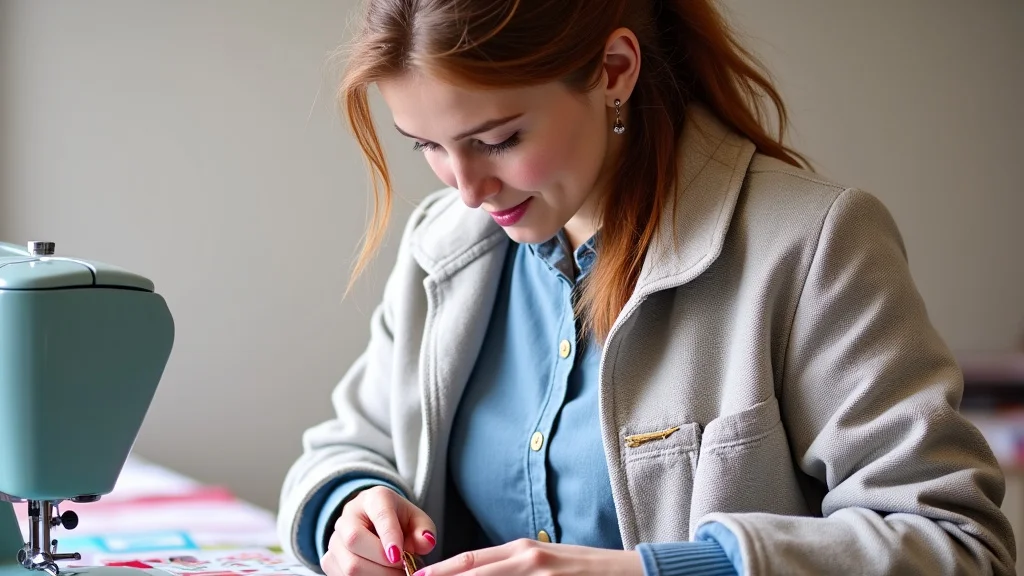
Remember that old quilt your grandmother made? It probably brought you a sense of warmth and comfort, and maybe even a few cherished memories. Now, imagine transforming those comforting feelings into something you can wear – a sewing quilted patchwork jacket! This guide will help you explore the fantastic possibilities of creating your own wearable art. Whether you are a beginner or have some experience, you will learn all the core techniques and helpful tips. You will discover how to select fabrics, create stunning designs, and assemble your jacket piece by piece. You’ll be able to create a unique piece of apparel from a sewing quilted patchwork jackets book.
Key Takeaways
- Learn the fundamental techniques for quilting and patchwork.
- Discover how to select the best fabrics for your jacket.
- Explore a range of design options and how to create your own unique patterns.
- Understand the steps involved in assembling and finishing your jacket.
- Gain tips for successful sewing, including common pitfalls to avoid.
- Explore how to adapt your projects to create different styles of jackets.
Getting Started with Quilted Patchwork Jackets
Before you begin, think about the kind of jacket you want to make. Do you envision a lightweight jacket for spring or a heavier one for winter? This will influence your fabric choices and the amount of quilting you do. Next, explore the resources available, including books, online tutorials, and sewing communities. These resources will provide a deeper view of the techniques and designs involved. Planning is a critical aspect, so sketch out your ideas and consider using software to visualize your finished piece. Don’t be afraid to experiment with different design layouts and fabric combinations.
Essential Tools and Materials
You’ll need a few essential items to begin sewing your quilted patchwork jacket. The first thing is a quality sewing machine designed for quilting. Ensure it can handle multiple layers of fabric. You will also need sharp fabric scissors or a rotary cutter with a self-healing cutting mat to accurately cut your fabric pieces. A set of quilting rulers will help with precise measurements and cuts. Fabric pens, or tailor’s chalk, are helpful for marking your pattern pieces and quilting lines. Be sure to purchase a variety of needles for your sewing machine, suitable for different fabric weights. Finally, invest in high-quality thread, preferably cotton or polyester, and select colors that complement your chosen fabrics. These tools will enable you to sew with precision, while the selection of different materials will give you a diverse range of looks and feels to your jackets.
- Sewing Machine: Must be able to handle multiple layers of fabric.
- Cutting Tools: Rotary cutter, self-healing mat, fabric scissors.
- Measuring Tools: Quilting rulers, measuring tape.
- Marking Tools: Fabric pens or tailor’s chalk.
- Needles: A selection for different fabric types.
- Thread: Quality cotton or polyester thread.
Beyond the basic tools, selecting the right fabrics and materials is key. Choose fabrics based on the jacket’s intended use and desired aesthetic. For example, cotton is a popular choice for its breathability and ease of use. Wool offers warmth and a luxurious feel. The batting, or the material inside the layers, impacts warmth and drape. Cotton batting is breathable, while polyester batting is durable and resistant to mildew. Consider the weight and texture of each fabric you select to ensure it works well with the overall design. By choosing the correct materials and having the right tools, you will be well prepared to create a beautiful, functional jacket.
Understanding Quilt Patterns and Patchwork Designs
The beauty of a quilted patchwork jacket is the ability to combine different patterns and designs. Quilting involves stitching through multiple layers of fabric to create a design. Patchwork, on the other hand, is the process of sewing together smaller pieces of fabric to form larger patterns. Both are essential parts of making your own jacket! You can choose from many quilt patterns, from simple squares and stripes to more complex designs like stars or intricate geometric shapes. Patchwork designs also vary widely, ranging from traditional block patterns like the Log Cabin or Nine-Patch to more contemporary, freeform styles. Understanding these different approaches helps you plan the overall look of your jacket. The selection of a pattern impacts both the aesthetic and the skill level needed to complete the project.
- Traditional Block Patterns: Log Cabin, Nine-Patch, and other classic layouts.
- Modern Patchwork: Contemporary and freeform designs.
- Quilting Styles: Linear, stippling, and echo quilting.
- Pattern Selection: Considering skill level and desired aesthetic.
The choice of a quilting style enhances the design of your jacket. For example, straight-line quilting creates a clean, modern look. Meandering or stippling (free-motion quilting) adds a more organic, textured feel. You might use echo quilting, in which lines are sewn parallel to the design’s edges. This creates a shadow effect. Consider different quilting techniques to highlight the patterns of your patchwork. Careful planning of these elements is a key step in creating a beautiful and functional garment.
Choosing Fabrics for Your Patchwork Jacket
Fabric selection is a critical step in making a beautiful and functional quilted patchwork jacket. The fabric choice impacts not only the appearance but also the wearability and longevity of your jacket. Consider the season and intended use of the jacket when making your decisions. For a lightweight spring jacket, choose breathable fabrics such as cotton or linen. For a warmer winter jacket, wool or flannel are ideal choices. Pay attention to the fabric’s weight and drape; these factors affect how the jacket hangs and feels. Coordinating colors and textures add depth and interest, but also ensure the fabrics are compatible for sewing and cleaning.
Fabric Types and Their Properties
Different types of fabrics each have their own properties. Cotton is a popular choice due to its versatility and ease of care. It’s breathable, making it suitable for all seasons. Linen offers a relaxed feel and is known for its durability. However, it can wrinkle. Wool provides excellent warmth and has a beautiful drape, but it requires special care. Polyester is durable, wrinkle-resistant, and can be easily washed, although it is not breathable. Consider the qualities of each fabric type to make your choice. The best fabric choice will take into account the intended purpose and look of your jacket. By understanding these properties, you can make informed decisions that improve your project.
- Cotton: Versatile, breathable, and easy to sew.
- Linen: Durable, relaxed drape, but wrinkles easily.
- Wool: Warm, luxurious, requires special care.
- Polyester: Durable, wrinkle-resistant, easy to wash.
Knowing the fiber content and how it affects the fabric’s performance is also important. For example, a blend of cotton and polyester might combine breathability and durability. Consider how the fabric will wear and how often it will be washed. Pre-washing your fabrics before cutting and sewing will prevent shrinking after the jacket is made. Also, testing your fabric choices is a good practice to ensure they work well together. The right mix of fabric choices will give you a result that is both appealing and long-lasting.
Color and Pattern Selection
The colors and patterns you choose are key to the design of your jacket. Coordinate colors in a way that highlights the overall design. Consider using a color wheel to find complementary colors that will give visual interest. Start with a color palette and build from there. Pattern selection is equally important. Solid fabrics offer a clean backdrop for more complex patchwork designs. Prints, such as florals or geometric patterns, can create visual interest. Balance is key. By combining different colors and prints, you can produce a striking and harmonious composition. Think about the overall feel you want to achieve. Do you want a bold, eye-catching jacket or something more subtle and elegant? The decisions you make will define the final aesthetic.
The fabric choices should work well together. One option is to select fabrics of different sizes, shapes, or tones to create your own color palette. Another approach is to use a range of solid colors that work well together. The color and patterns you choose will impact the final look and feel of your quilted patchwork jacket.
Calculating Fabric Yardage
Determining how much fabric you’ll need is an important part of project planning. Calculate your fabric needs based on the jacket pattern you choose. If you are using pre-cut squares or strips, calculate how many you will need based on the size of your jacket and the pattern layout. Estimate the fabric needed for each layer – the outer fabric, the batting, and the lining. Add extra fabric for seams, shrinkage, and possible mistakes. The most efficient way is to create a layout on paper. This helps you visualize how the pieces will fit together and avoid fabric waste. It’s better to overestimate than underestimate the amount of fabric needed. This will allow you to make any necessary adjustments without starting over. Also, check the pattern instructions for specific recommendations.
Here’s an example for calculating fabric yardage, based on a simple jacket pattern:
- Measure the Pattern Pieces: Measure the amount of fabric that you will need to cut the largest pattern pieces. For example, if you need 2 yards for the back and 1 yard for each of the front panels, then the outer fabric will be around 4 yards.
- Add for Patchwork: If you are using patchwork, calculate the total area of the patches, and add a little extra for seams and waste.
- Batting: The batting should be the same size or slightly larger than the outer fabric.
- Lining: Calculate the amount of fabric needed for the lining, which will be similar to the outer fabric.
- Extra Fabric: Add extra fabric for the sleeves, collar, cuffs, and any pockets.
This approach gives a good starting point for the project, and will reduce the chance of running out of materials. Always buy a little extra fabric in case you have errors. Having extra material will allow you to make the jacket with confidence.
Creating Your Patchwork Jacket Design
Designing your patchwork jacket is a fun creative process. Planning the layout of your patches is critical. There are many designs that range from classic block patterns to contemporary styles. The first step is to sketch out your ideas. Experiment with different arrangements, colors, and patterns. Using graph paper or design software will help you create a visual representation of your design. Choosing a pattern that appeals to you is a key element of designing a successful jacket. Consider the shape and style of the jacket. The design will affect the overall look and feel of the finished product. By planning each element of your jacket, you can design a beautiful and stylish piece of clothing.
Sketching and Pattern Layout
Begin the design process by sketching out your ideas. This includes different pattern layouts, color combinations, and the shape of the jacket. Draw multiple sketches to explore different options and styles. Next, consider how the patches will fit together. You can use graph paper to plan your layout. Divide the jacket into sections and visualize how each patch will fit. Experiment with different patch sizes and shapes to create visual interest. Take into account the overall shape of the jacket, including the sleeves, collar, and pockets. The sketch becomes your map as you create the jacket. You might also use design software to create your layout, if you are familiar with digital design tools. This level of planning is an important step in creating a beautiful and appealing patchwork jacket.
Selecting and Arranging Patchwork Blocks
Once you’ve finalized your sketch, it’s time to select the patchwork blocks you will use. There are many traditional block patterns, such as the Log Cabin and the Nine-Patch. Each block adds a unique touch. If you have some sewing experience, experiment with more complex designs. Consider the size of your patchwork blocks, and how they will fit together. Ensure that the sizes are consistent for a neat finish. Arrange the blocks in a way that is visually appealing, and that flows well. Arrange the blocks to create a balance between pattern and color. By paying attention to these details, you will have a more enjoyable sewing experience and a beautiful jacket.
- Traditional Blocks: Log Cabin, Nine-Patch, and other classic layouts.
- Size Consistency: Ensure blocks are the same size for proper assembly.
- Visual Appeal: Balance pattern and color for an attractive design.
- Experimentation: Try different arrangements to enhance your design.
Assembling the blocks into rows and the rows into larger sections is the next step. Begin by sewing the blocks together in rows. Then, sew the rows together to form larger pieces. Press the seams after each step to create a flat finish. Plan to include the batting and backing fabric. By meticulously assembling your patchwork blocks, you create the main body of the jacket.
Adapting Patterns for Patchwork
Adapting patterns to create a patchwork jacket can make a huge difference in the results. Choose a jacket pattern that suits your skill level. Some patterns are simple and others are more complex. Select a pattern that is suitable for quilting and patchwork. Alter the pattern pieces to accommodate the patchwork design. You may need to add seam allowances to the pattern pieces to allow for the seams between the patchwork blocks. Lay out the patchwork blocks on the pattern pieces to make sure everything fits together as planned. Measure the finished patchwork sections and compare them to the pattern pieces. Adjust as necessary. By adapting the pattern to your design, you can create a unique, custom-made jacket that showcases your creativity.
Here is an example of adapting a basic jacket pattern to fit a patchwork design:
- Modify Pattern Pieces: Modify the existing jacket pattern pieces to accommodate the patchwork design.
- Add Seam Allowances: Add seam allowances to each pattern piece, including the neck, hem, and sleeves.
- Layout: Lay out the patchwork blocks on the modified pattern pieces.
- Match Patchwork: Adjust the pattern as needed.
Once you are happy with the layout, proceed with cutting and sewing the patchwork blocks. As you sew the blocks together, keep in mind how the jacket will look. Make sure the patchwork sections match the pattern pieces. This extra step will help you to create a beautiful and stylish jacket.
Assembling Your Quilted Patchwork Jacket
The assembly phase of your quilted patchwork jacket brings all your planning to life. This part of the process involves several steps to create a beautiful, functional garment. From cutting the fabric to the final touches, each step requires care and attention to detail. This also involves the important step of quilting the layers. By following these steps, you will learn how to create a jacket that is beautiful and long-lasting.
Cutting and Preparing the Fabric
Precise cutting is essential for a good-looking jacket. Lay your pattern pieces on the fabric, paying close attention to the fabric’s grain line. Use a rotary cutter and cutting mat, or fabric scissors, to cut each piece carefully. If you are using patchwork, cut out the individual blocks according to your design. Remember to add seam allowances to all pieces. Once you have cut all the pieces, prepare them for sewing. Press the pieces, ensuring they are flat and ready for assembly. Check that all pieces are cut to the right size and shape, and that all seam allowances are correct. These important steps improve your project.
Sewing Patchwork Blocks and Jacket Sections
Sewing the patchwork blocks is the next step. Sew the blocks together according to your design, matching the edges carefully. Use a consistent seam allowance throughout. Once you have created your patchwork panels, sew them together to form the jacket sections, such as the front, back, and sleeves. Again, match the edges carefully and use a consistent seam allowance. When sewing the jacket sections, pin the pieces together before sewing. This will help to keep the fabric pieces aligned. Press all seams as you go, and trim any excess fabric. Keep in mind the correct order for assembly, such as sewing the shoulder seams before attaching the sleeves. These steps will make sure the jacket sections fit together properly, and will make the result more beautiful and wearable.
Quilting and Layering Techniques
The process of quilting the jacket adds texture and dimension. Layer the outer fabric, batting, and backing fabric together. You can baste the layers together with safety pins or basting spray. Next, start quilting. Choose a quilting design that compliments your patchwork. You can use straight lines, free-motion quilting, or other techniques. Maintain an even stitch length and spacing. Consider your sewing machine’s capabilities. Some machines are well suited for quilting, and others are more basic. If you are a beginner, start with simple straight-line quilting. Once quilted, trim the edges and square up the jacket. This step gives the jacket its signature quilted look, and adds the warmth you expect.
Here are some quilting techniques you can use to personalize your jacket:
- Straight-Line Quilting: Straight lines that run across your fabric.
- Free-Motion Quilting: Requires more skill, and lets you create any pattern.
- Echo Quilting: Lines that follow the outline of your design.
These techniques add different textures, so you can make a unique jacket.
Finishing Touches and Practical Advice
After assembling the main parts of your quilted patchwork jacket, you will add the finishing touches. These are the details that enhance the style and improve the function of the jacket. Adding a lining makes the jacket more comfortable and protects the seams. Attaching the collar and cuffs, and sewing pockets, add to the jacket’s utility and appearance. Choosing the right fasteners and adding other features make the jacket practical and stylish. By paying attention to these finishing details, you will have a beautiful, functional, and durable garment.
Adding Linings, Collars, and Cuffs
Adding a lining is an important step. Cut the lining fabric according to your jacket pattern. Sew the lining pieces together and attach them to the jacket, using a neat seam. A well-placed lining gives the jacket a smooth interior and hides raw edges. Attaching a collar adds shape and style to your jacket. Cut out the collar pieces and sew them together. Attach the collar to the neckline, carefully matching the edges. Cuffs also enhance the look. Cut out the cuff pieces and sew them to the sleeves. Choose a style of collar and cuff that complements your overall design. Adding a lining, collar, and cuffs helps enhance the look and durability of your jacket.
Attaching Pockets and Fasteners
Adding pockets can greatly enhance the functionality of your jacket. Decide on the type and placement of your pockets. Common choices include patch pockets or welt pockets. Sew the pockets onto the jacket sections. Make sure the pockets are positioned evenly. Next, add fasteners. Choose fasteners based on the style of your jacket. Options include buttons, zippers, or snaps. Attach the fasteners to the jacket front, following the pattern instructions. If you use buttons, sew the buttonholes precisely. Zippers offer a sleek, modern look. Attaching pockets and fasteners is one of the last steps, and will enhance the practicality and style of your quilted patchwork jacket.
Dealing with Common Sewing Challenges
During the sewing process, you might run into a few challenges. One common problem is uneven seams. To solve this, always measure and cut your fabric accurately, and sew slowly, guiding the fabric smoothly through your sewing machine. Another issue can be puckering or bubbling of the fabric. To prevent this, use the correct needle and thread. Also, adjust the sewing machine’s tension as needed. If the fabric bunches, try pressing the seams well. It can also be a challenge to quilt multiple layers of fabric. Use a walking foot or even-feed foot on your sewing machine to make the fabric feed through the machine evenly. Sewing errors are a normal part of the process, and understanding these common problems and the fixes will help you in your project.
Common Myths Debunked
Myth 1: Quilting is Only for Experienced Sewers
Many people believe that quilting is a hobby only for experienced sewers. While advanced techniques do require more skill, it’s not true that you must be an expert to create a quilted patchwork jacket. With patience, practice, and careful following of instructions, beginners can achieve satisfying results. Start with simpler patterns and techniques, and gradually learn more advanced methods. Learning resources are now more accessible, with many tutorials and online communities. By starting with the basics, anyone can enjoy creating a quilted patchwork jacket.
Myth 2: Quilted Jackets Are Difficult to Wear
Some believe that quilted jackets are bulky or uncomfortable. That is not always the case. The weight and feel depend on the fabrics and batting used. You can make a quilted jacket light and wearable by choosing the right materials, such as thin cotton or lightweight wool. The quilting pattern also affects the feel. Choosing the right fabrics, and the amount of quilting, will make sure your jacket is both comfortable and stylish. You can make a jacket that’s both warm and easy to wear.
Myth 3: Patchwork Jackets Are Outdated
There is a myth that patchwork jackets are old-fashioned. Patchwork has a long and varied history. Today, patchwork and quilting are seen as creative and expressive forms of art. The look and feel of the jacket will depend on the colors, patterns, and style of the design. You can create a contemporary and stylish jacket by using modern fabrics, innovative patterns, and a creative approach. The versatility of patchwork allows you to create a unique and stylish piece that reflects your personal style.
Myth 4: The Process Is Too Time-Consuming
Some see creating a quilted patchwork jacket as a lengthy process. The time it takes will vary depending on the complexity of the design and the sewing skills of the creator. While it may require a bigger time investment, the result is a custom-made garment that will last. You can break the project into smaller parts, so you can work on it over time. The result is a jacket made with your style and skill. While it is time-consuming, the outcome is a rewarding and unique piece of clothing.
Myth 5: It’s Too Expensive to Make
There’s a belief that it’s too costly to make a quilted patchwork jacket. The cost depends on the choice of fabrics and materials, the design, and the size of the project. While high-end fabrics can be expensive, it is possible to create a beautiful jacket without overspending. Look for sales, use fabric scraps, and buy supplies strategically. Making a jacket can be more affordable than buying a ready-made one. It also gives you more control over the materials and design, so the result is both stylish and cost-effective.
Frequently Asked Questions
Question: What is the best type of fabric for a beginner?
Answer: Cotton is usually recommended for beginners. It is easy to work with, readily available, and comes in many colors and patterns.
Question: How do I choose the right batting for a jacket?
Answer: The batting determines how warm your jacket will be. Cotton is breathable, polyester is durable, and wool is warm.
Question: How do I prevent the fabric from shifting when quilting?
Answer: Baste the layers of your jacket with safety pins or spray before quilting to keep them from shifting.
Question: How do I wash a quilted jacket?
Answer: Washing instructions depend on your fabrics. Generally, wash on a gentle cycle, use cold water, and air dry.
Question: What is the best sewing machine for quilting?
Answer: A machine with a walking foot or even-feed foot will help move the fabric evenly when quilting.
Final Thoughts
Embarking on the creation of a sewing quilted patchwork jackets book is a rewarding undertaking that blends creativity, skill, and personal expression. This guide has presented you with the essential elements to help you begin your journey. From the initial design process to the final stitches, you now have the insights to craft a jacket that reflects your unique style and taste. Remember, the key to success is careful planning, the right tools, and an adventurous spirit. Don’t be afraid to experiment with colors, patterns, and techniques. Embrace the challenges and the learning moments. Your quilted patchwork jacket will become more than just clothing. It will be a testament to your creativity and hard work, and a treasured piece of wearable art. Now, gather your materials, select your design, and start creating! You will find this to be a wonderful and creative project that combines skill with self-expression.