Remember that time your toddler tossed all your kitchen utensils into the toy box? You might have thought, “What will she do next?” Well, with a sewing quiet book for children, you can transform that playful energy into engaging learning. These books are filled with interactive activities designed to entertain, educate, and keep little hands busy. This guide will show you how to create these wonderful tools, from choosing the best materials to crafting clever page designs. You’ll gain the knowledge to create books that last, along with design ideas for hours of fun and learning. Get ready to explore the exciting world of sewing quiet books for children and the joy of seeing your child learn and grow!
Key Takeaways
- Learn the basic supplies and tools needed to start your quiet book project.
- Discover different fabric choices and their benefits for children’s books.
- Find step-by-step instructions for creating simple and engaging quiet book pages.
- Explore design ideas and activities to enhance learning and creativity.
- Understand techniques for making your quiet book durable and long-lasting.
- Get inspired to create personalized quiet books that cater to each child’s interests.
Choosing the Right Materials for Your Project
Before you begin, gathering the right materials is essential. The durability and safety of your quiet book are paramount, so selecting fabrics and components that can withstand constant use and curious little hands is crucial. Opting for non-toxic materials will ensure that children can play safely without the risk of ingesting harmful chemicals. The goal is a fun, creative experience, and proper material selection sets the stage for success. This first step ensures both fun and safety.
Essential Tools for Sewing Quiet Books for Children
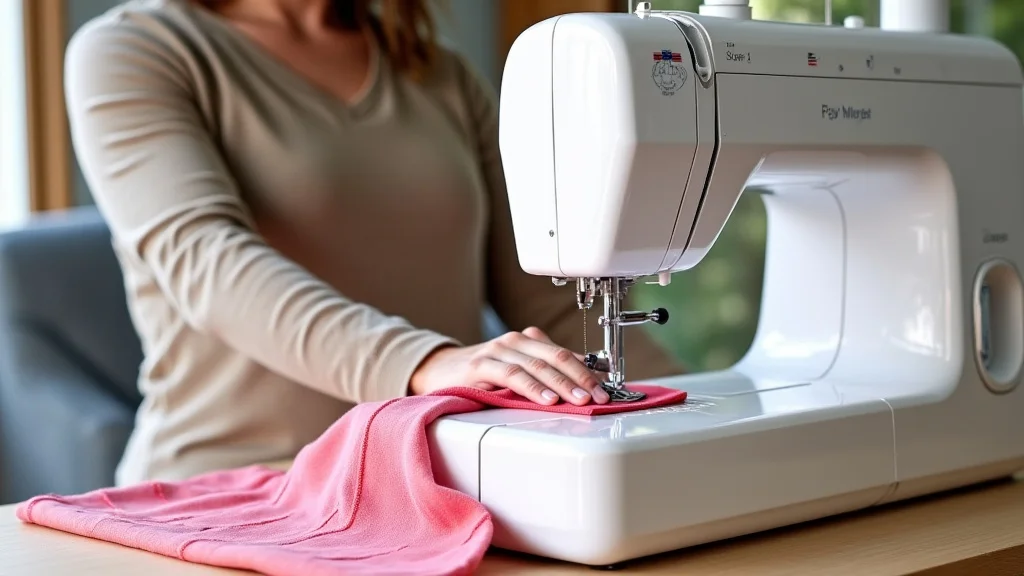
Several tools will make the process easier and produce a more professional finish. A good sewing machine is a must, though hand sewing is possible for those new to sewing. Sharp fabric scissors and rotary cutters are essential for precise fabric cutting. Pins or clips are vital for holding fabric pieces together before sewing. A variety of sewing needles and thread, suitable for different fabrics and activities, is also necessary. Additional items like a seam ripper and iron complete the toolset. Having the right tools makes the project smoother, allowing for more creative and accurate results.
- Sewing Machine: A basic sewing machine with straight stitch and zig-zag capabilities is ideal. While hand-sewing is an option, a machine speeds up the process and ensures consistent stitches.
- Fabric Scissors/Rotary Cutter: Sharp scissors or a rotary cutter with a self-healing cutting mat are key for precise cutting of fabric shapes and patterns. This is crucial for creating neat page components.
- Pins and Clips: These tools are essential for securing fabric pieces before sewing. Clips are particularly helpful when working with thicker fabrics.
- Needles and Thread: Select needles appropriate for the fabric weight and thread that complements your designs. A variety of thread colors is a nice option.
- Iron and Ironing Board: Ironing fabrics before sewing is important for smooth results. It also helps set seams and remove wrinkles.
Selecting the Right Fabrics
The choice of fabrics dramatically impacts the look, feel, and durability of your quiet book. Look for durable, washable materials that can withstand frequent handling and potential spills. Cotton is a popular and versatile option. Felt adds texture and is ideal for small, interactive pieces. Fleece offers a soft texture and is machine washable. Consider the child’s age and activity level when selecting fabrics, as you will want to match fabric choices with potential activities. Experiment with different textures and colors to make each page appealing.
- Cotton: A great choice for the base pages and many of the interactive components due to its durability, washability, and variety of prints and colors.
- Felt: Wonderful for creating interactive elements like shapes, letters, and numbers due to its non-fraying edges and ability to hold its shape.
- Fleece: A soft and cozy option, ideal for pages or components requiring a comfortable feel, like animal characters or textured elements.
- Flannel: Offers a softer, more comfortable feel, ideal for younger children or pages featuring soft elements.
Optional Materials for Enhanced Play
Adding a little extra can significantly enhance the fun and educational value of your quiet book. Consider adding buttons, zippers, and snaps. These can be used to promote fine motor skills and teach basic dressing skills. Velcro is also great. It’s safe and easy to use and is ideal for attaching removable pieces or creating interactive games. Beads, ribbon, and other embellishments can also be used, so long as they are securely attached. Adding these materials will ensure that each page holds interest and excitement.
- Buttons, Snaps, and Zippers: Promote fine motor skills and teach about closures.
- Velcro: Offers an easy way to attach removable pieces and create interactive games.
- Ribbon and Elastic: Used for various activities, such as tying or threading exercises.
- Beads: Ensure beads are securely attached. Consider using large, child-safe beads.
Planning and Designing Your Pages
Careful planning and thoughtful design are important when creating the pages for a quiet book. Each page should have a clear learning objective while still keeping the child engaged and entertained. Activities can promote a range of skills, from fine motor skills and color recognition to shape matching and early literacy. Choosing themes that reflect a child’s interests, like animals, vehicles, or everyday routines, will make the book more personal and fun. Designing the book with a variety of textures, sounds, and interactive elements helps to keep children excited and engaged.
Creating Fun and Educational Activities
Each page in your quiet book should offer a fun activity while teaching a new skill. For example, a page could feature buttons of different colors for a child to match, promoting color recognition and fine motor skills. A page with a zipper allows the child to practice zipping and unzipping, improving their coordination. Consider the age group you’re designing for when choosing activities. Pages can also incorporate the alphabet, numbers, or simple puzzles to promote early literacy. The goal is to provide a good balance of challenge and entertainment to support a child’s development.
- Buttoning and Snapping: Improves fine motor skills and teaches about closures.
- Zipping and Unzipping: Promotes coordination and practical life skills.
- Shape Matching: Encourages shape recognition and visual discrimination.
- Color Sorting: Supports color recognition and categorization skills.
- Lacing and Threading: Develops hand-eye coordination and pre-writing skills.
Theme Ideas and Page Design Inspiration
Theming your pages can make your quiet book much more engaging for a child. Consider a page for learning about animals with felt shapes, or a page focusing on numbers or letters. Themes based on everyday routines, like dressing up or brushing teeth, can also be used. For example, you might create a page where a child can “dress” a character by matching the appropriate clothes or a page that lets them practice tying a shoe. To begin, draw out page layouts, make quick sketches, and gather inspiration from other quiet books online. With planning, you can create a book that is fun and educational.
- Animal Theme: Create pages with various animals. Add felt shapes or fabric pieces with different textures and sounds.
- Transportation Theme: Design pages with vehicles. Include movable parts to encourage exploration.
- Everyday Routines: Focus on dressing, brushing teeth, and preparing meals to make the book more relatable.
- Alphabet and Numbers: Pages with letters and numbers help children learn through interactive play.
- Seasons and Weather: Add a page focusing on the seasons and weather.
Incorporating Different Skills into One Page
Combining multiple skills into a single page is a great way to maximize learning opportunities. For instance, you could create a page where a child must match shapes (shape recognition) and button them into place (fine motor skills). Include a page for the alphabet where each letter has a corresponding interactive element, such as lacing, zippers, or buttons. Another page idea could teach colors through a matching game with different objects. This approach helps to build various skills simultaneously, giving the child a more complete learning experience.
Example: A farm-themed page could include a barn door that opens and closes with Velcro (fine motor skills). Inside, there are various animals that can be matched to their correct barn stalls (shape and color recognition). This combines different skills into one fun activity.
Putting It All Together: Sewing Quiet Books for Children
The sewing quiet books for children project is exciting when you’re ready to start sewing. Make a plan and prepare each piece before assembling the pages. Ensure you have the right stitches and techniques to achieve a lasting and professional result. This section offers essential guidance and insights to ensure that the book can be used safely, and can be used to its full potential. The ultimate goal is to produce a well-made and engaging book that children can explore for years.
Step-by-Step Sewing Instructions
Precise instructions are key to create lasting, well-made pages. Begin by cutting out all the fabric pieces according to your design. Next, arrange the pieces on the base page and carefully sew them in place. For any interactive elements, like buttons or zippers, sew them securely, ensuring they can withstand use. Iron seams flat after each step. Once all the page components are complete, sew the pages together to form the book. Remember to check all seams to ensure they are secure and safe for use. With careful attention to detail, the book will be a success.
- Cut Fabric: Use fabric scissors or a rotary cutter to cut the fabric pieces according to your patterns.
- Arrange and Pin: Place fabric pieces on the base page and secure them with pins or clips.
- Sew the Elements: Sew the pieces together using a sewing machine or by hand.
- Add Interactive Elements: Securely attach any interactive elements, such as buttons, snaps, or Velcro.
- Assemble the Pages: Finally, stitch the pages together, forming the finished quiet book.
Stitches and Techniques for Durability
The right stitches and sewing methods contribute to the durability and safety of your quiet book. Use a strong stitch like a straight stitch for general seams. A zig-zag stitch will help prevent fraying, especially around edges. When attaching elements like buttons, reinforce with multiple stitches and consider using button shanks. For added durability, double-stitch seams. Remember to choose thread that is strong and the correct color for your project. This will help create a book that can handle active use.
- Straight Stitch: Use for general sewing, attaching fabric pieces.
- Zig-Zag Stitch: Prevents fraying, especially around edges.
- Reinforced Stitching: Double-stitch seams and reinforce buttons and other elements.
- Topstitching: Creates a neat finish and strengthens seams.
- Proper Threading and Tension: Ensure correct threading and tension for even, sturdy stitches.
Safety Considerations and Best Practices
Safety is the most important element when making a quiet book for children. Choose fabrics that are machine washable and non-toxic. Ensure that all elements, like buttons, are attached securely so they can’t be pulled off and create a choking hazard. Avoid small, loose parts that could be swallowed. For children under three, ensure all embellishments are larger than 1.5 inches. Regularly inspect the book for any loose threads or parts that may need repair. A safe quiet book means happy and healthy playtime for children.
- Use Washable, Non-Toxic Fabrics: Opt for materials safe for children.
- Secure All Embellishments: Buttons, beads, and other components need to be securely attached.
- Avoid Small Parts: Steer clear of small pieces that could be choking hazards.
- Check Regularly for Damage: Inspect the book for loose threads or parts.
- Choose Age-Appropriate Activities: Ensure activities are tailored to the child’s developmental stage.
Common Myths Debunked
Myth 1: Quiet books are only for girls.
This is false. The best sewing quiet books for children are designed for all children. Their content can be made for any child, regardless of gender. Themes can include animals, vehicles, and everyday routines. Design pages featuring activities like building, problem-solving, and imaginative play to appeal to all interests. The aim is to nurture the child’s curiosity and encourage learning through play, rather than catering to any stereotype.
Myth 2: Sewing a quiet book is too hard for beginners.
This is not true. Sewing a quiet book can be adapted for all skill levels. Start with simple designs. Use basic stitches and easy-to-sew fabrics like cotton and felt. Choose pages with fewer components and a few interactive activities to keep the book manageable. With time and effort, anyone can create an engaging book that encourages learning through play. There are loads of free patterns, and tutorials for beginners to get started.
Myth 3: Quiet books are just a way to keep kids busy.
False. While quiet books keep children entertained, they do much more. They’re designed to help improve fine motor skills, color recognition, shape matching, and early literacy skills. Activities like buttoning and lacing, and shape matching all benefit a child’s development. Quiet books support imagination, language development, and the ability to solve problems. This makes quiet books a well-rounded tool.
Myth 4: Quiet books are expensive to make.
It’s not. The cost depends on the choice of materials and the scope of the project. Simple books can be created with basic supplies like cotton, felt, and basic embellishments. You can often find affordable fabric remnants and use recycled materials. You may be able to source items like buttons and ribbon for a low price, and often these items can be reused from other projects. Planning and making the project yourself can save money. Your quiet book doesn’t have to break the bank.
Myth 5: Handmade quiet books aren’t as good as store-bought ones.
Untrue. A handmade quiet book can be better than many store-bought options. You control the materials’ quality. You can personalize the book to match a child’s interests and developmental needs. Homemade books are often made with love and attention. Handmade books create unique, personalized, and educational experiences that support your child’s growth and learning. These books offer a bond between child and creator.
Frequently Asked Questions
Question: How do I choose the best fabrics for my quiet book?
Answer: Opt for durable, washable fabrics like cotton and felt. Consider the child’s age and activity level when selecting materials. Always prioritize non-toxic options to ensure the safety of your child.
Question: What sewing machine settings do I need?
Answer: A straight stitch and zig-zag stitch will work well for most quiet book projects. Adjust the stitch length and width based on the fabric and design. Experiment on a sample piece before sewing the final project.
Question: How do I attach buttons and other small embellishments safely?
Answer: Sew buttons on securely with multiple stitches. Consider using a button shank to give the button more space, reducing the risk of it being pulled off. Regularly check the book for any loose parts.
Question: Are there any alternatives to sewing to create quiet book pages?
Answer: For some pages, you can use fabric glue or fusible web for easy fabric bonding. However, sewing is the most durable and safest method for attaching components, especially for elements that will be handled by children.
Question: How can I personalize a quiet book for my child?
Answer: Tailor the themes, colors, and activities to your child’s interests. Include elements of their favorite characters, animals, or hobbies. Add their name or personal details to create a unique learning tool.
Final Thoughts
Creating sewing quiet books for children is a rewarding activity that combines creativity, learning, and fun. From choosing the correct materials to designing engaging activities, you are empowering children with tools to explore their world. Remember, safety always comes first, so secure all parts and use washable fabrics. With each stitch, you’re building more than a book; you’re building memories. So, gather your materials, explore your ideas, and begin the process of making quiet books that nurture your child’s growth. Embrace the joy and create personalized books that entertain and educate for years to come.