Remember that favorite sweater you loved until the elbows wore thin? Or perhaps a beloved jacket that’s seen better days? Many of us have faced this fashion dilemma. Don’t throw away that cherished garment! Learning how to add a sewing elbow patch is a valuable skill that can save your clothes and money. This guide will show you everything you need to know about this practical technique. You’ll gain the ability to repair and enhance your wardrobe, extending the life of your favorite pieces while adding a touch of personal style. Get ready to explore the basics of sewing elbow patch!
Key Takeaways
- Learn how to choose the right materials for different clothing items.
- Discover the essential tools needed for the job.
- Understand various techniques for attaching patches.
- Find out how to measure and cut patches accurately.
- Get tips for selecting patch designs.
- Explore ways to incorporate patches for aesthetic value.
Choosing the Right Materials for Sewing Elbow Patch
The success of your sewing elbow patch project depends heavily on selecting the correct materials. The type of fabric you choose should complement the garment’s existing fabric, both in terms of weight and texture. For example, a heavy wool jacket calls for a sturdy patch, perhaps leather or a thick felt. A lightweight cotton shirt, however, benefits from a lighter fabric like cotton or linen. Choosing the right fabric is critical because it ensures the patch withstands wear and tear at the elbow without compromising the garment’s appearance or comfort. Consider the garment’s use; are you patching a work shirt or a dress? The demands of the garment affect your fabric selection. Don’t ignore color and pattern matching; this affects the final aesthetic.
Selecting Patch Fabric
When selecting fabric for your sewing elbow patch, consider the function. Leather, suede, or durable denim are excellent choices for outerwear, especially jackets and coats, due to their strength and abrasion resistance. They offer a strong barrier against wear and are stylish. For sweaters and lighter garments, consider felt, cotton, or even a similar knit fabric. Felt is easy to cut and sew, making it an excellent beginner-friendly option. Cotton and linen patches can match light shirts. The fabric’s weight should match the original garment. Heavy fabric for lightweight garments can lead to bunching and discomfort, while lightweight fabric on a heavy coat will not last. Also, think about pre-washing your fabric to avoid shrinkage after you’ve sewn the patch onto your clothing.
- Leather and Suede: Offers durability and a classic look, great for jackets.
- Denim: Strong and durable, perfect for jeans and casual wear.
- Felt: Easy to work with and available in many colors, great for sweaters.
- Cotton and Linen: Breathable and suitable for lighter garments.
- Wool: Offers a warm, traditional aesthetic that complements many fabrics.
Matching Thread and Needle Types
The thread and needle you choose are just as important as the patch fabric itself. The thread should be strong and color-matched to your patch or the garment. All-purpose polyester thread is a safe bet for most projects, as it’s durable and easy to find. For leather or other thick fabrics, you’ll need a heavy-duty needle. A topstitching needle or a denim needle is a good choice. For lighter fabrics, a universal needle or a fine needle will prevent snags. The needle’s size is also crucial; select a size that corresponds to your thread and fabric thickness. Using the correct needle and thread will result in a neat, long-lasting patch, preventing the patch from coming undone with wear and washing. Choosing the wrong thread can lead to breakage. Using the wrong needle may damage the fabric or break the needle.
- Thread Type: Use polyester all-purpose thread or heavy-duty thread for thicker materials.
- Needle Type: Choose a needle appropriate for the fabric’s weight. Consider a topstitching or denim needle for heavier items.
- Needle Size: Match the needle size to the fabric weight and thread thickness.
- Thread Color: Match the thread color to the patch or garment.
Essential Tools for Sewing Elbow Patches
Having the correct tools makes the sewing elbow patch process easier and more enjoyable. These tools ensure accuracy and a professional finish. Investing in quality tools will result in better results. While the specific items needed might vary based on the project, a basic toolkit is essential for anyone trying this skill. These items will make the job much easier.
Required Tools
A few essential tools are vital for adding elbow patches. A good pair of sharp scissors or a rotary cutter is needed for precise fabric cutting. Pins are critical for holding the patch in place before sewing, which prevents shifting. A measuring tape or ruler is important for accurate measurements. An iron is useful for pressing the patch and the garment. A seam ripper can remove existing stitches. A sewing machine, though optional, can speed up the process. A hand-sewing needle is helpful for final touches. Having these tools ready to go makes the process much more efficient. Don’t start without these!
- Scissors or Rotary Cutter: Used for accurate cutting of the patch fabric.
- Pins: To secure the patch in place before stitching.
- Measuring Tape or Ruler: Needed to take accurate measurements of the elbow and patch.
- Iron: Aids in pressing the patch and garment for a neat finish.
- Seam Ripper: Essential for removing stitches, if needed.
- Sewing Machine (Optional): Speeds up the sewing process.
- Hand-Sewing Needle: Needed for any hand-stitching or finishing touches.
Optional Tools That Aid Sewing Elbow Patches
While the tools mentioned above are essential, some additional items can make the process easier and improve the outcome. A fabric marker or tailor’s chalk allows you to mark cutting lines or the patch’s placement. An ironing board provides a stable surface for pressing the patch and garment. A thimble protects your finger while hand-sewing. A needle threader can help you thread needles quickly and efficiently. A magnifying glass helps with detailed work, especially if you’re dealing with small stitches or complex designs. These optional tools may not be necessary for every project, but they can significantly enhance your experience and the quality of the finished result. These are not required, but they can certainly help.
- Fabric Marker or Tailor’s Chalk: For marking the patch’s placement and cutting lines.
- Ironing Board: Provides a firm surface for pressing the patch and garment.
- Thimble: Protects your finger when hand-sewing.
- Needle Threader: Simplifies the task of threading needles.
- Magnifying Glass: Helps with intricate sewing and detail work.
Techniques for Attaching the Sewing Elbow Patch
The method you use to attach your sewing elbow patch can change how it looks and how long it lasts. The most common methods are sewing by hand or using a sewing machine. Each technique has its advantages. Hand-sewing gives more control and a bespoke look, while machine-sewing is faster and more consistent. No matter which method you pick, the objective is to secure the patch to the garment in a secure way that matches the garment’s style. Selecting the correct method depends on your skill level, the fabric, and the overall look you want to achieve.
Hand-Sewing Methods
Hand-sewing a sewing elbow patch is great for control and customization. You can easily adjust the stitch size and spacing to match the garment’s style. The most common hand-sewing stitch for elbow patches is the whip stitch or blanket stitch. The whip stitch is simple and effective. You bring the needle up through the fabric and then wrap the thread around the edge of the patch and the garment. The blanket stitch has more visual appeal. It creates a decorative edge. You can also use a running stitch, which is a simple up-and-down stitch. This is faster, but it is not as strong. Hand-sewing is slower than using a sewing machine. Hand-sewing provides a secure, visually appealing finish, making it perfect for custom projects.
- Whip Stitch: Simple and effective, wrapping the thread around the patch and garment edges.
- Blanket Stitch: Provides a decorative edge and a strong hold.
- Running Stitch: A fast but less secure option.
- Back Stitch: Creates a stronger, more durable seam.
Machine-Sewing Methods
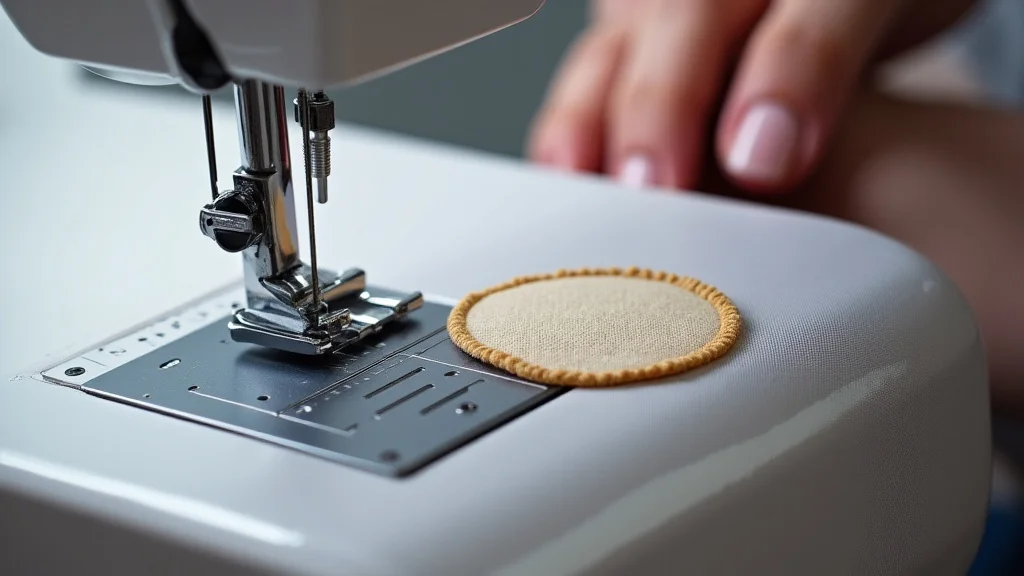
Machine-sewing is a faster way to attach sewing elbow patches and creates consistent results. Straight stitches are the most common choice, sewn around the patch’s edges, holding it securely to the garment. Zigzag stitches add strength and prevent fraying, especially if you’re working with a fabric that frays easily. Decorative stitches offer a personalized touch, allowing you to match the patch’s style to the garment. Before starting, carefully place the patch and pin it. Ensure the garment moves smoothly through the machine. Use a straight stitch around the patch. A zigzag stitch can create extra durability. Sewing machines are time savers. Make sure the stitching is secure, and trim any loose threads when complete.
- Straight Stitch: Simple and secure, ideal for most patch applications.
- Zigzag Stitch: Adds extra strength and prevents fraying.
- Decorative Stitches: Adds style.
Measuring, Cutting, and Placing the Sewing Elbow Patch
Precision is key when it comes to measuring, cutting, and placing your sewing elbow patch. Proper measurements ensure that the patch fits comfortably and looks good on the garment. Correct cutting results in clean edges, preventing fraying and giving a professional finish. Careful patch placement guarantees that the patch covers the worn area and blends with the garment’s design. Taking the time to do this part correctly helps to avoid problems during the sewing process and adds to the item’s longevity. This attention to detail creates a polished, professional outcome that looks great and lasts for a long time.
Taking Accurate Measurements
To start, measure the elbow area of the garment. This step is about figuring out the size and shape of the patch. You can measure the worn area directly or measure the surrounding area. When measuring, note the shape of the elbow. If the elbows are curved, you might need a patch that has a curved or rounded shape. Consider the overall size of the patch. It should be large enough to cover the worn section. Also, leave some extra fabric around the edges for sewing. Measure the patch size using a measuring tape or ruler. This measurement should include seam allowances. You need to consider the overlap around the worn area. This will help make sure the patch completely covers the damaged area and is securely attached. Measuring properly is vital for the patch’s fit and function.
- Measure the Elbow: Determine the size of the worn area.
- Consider the Shape: Note the curve of the elbow for the patch shape.
- Account for Seam Allowance: Add extra fabric around the edges for sewing.
- Determine Overlap: Ensure the patch covers the damaged area completely.
Cutting the Patch
Use your measurements to cut the patch fabric. For rectangular or square patches, use a ruler and scissors or a rotary cutter to ensure straight edges. You can trace a pattern onto the fabric. Use a template or pattern. Rounding the corners or creating custom shapes requires more attention. This can reduce the risk of the patch catching and coming loose. Consider the fabric’s properties. Some fabrics fray more easily than others. If your chosen fabric frays, use pinking shears to cut the edges. Pinking shears create a zigzag edge. This reduces fraying and makes the patch more durable. Always cut on a flat, stable surface. Take your time to get clean, precise cuts. A well-cut patch will be easier to sew and look much better.
- Straight Cuts: Use a ruler and scissors or a rotary cutter.
- Curved Cuts: Use a pattern or freehand.
- Corner Shapes: Round corners or cut custom shapes for style.
- Fabric Properties: Use pinking shears on fray-prone fabrics.
Placing the Patch
Once the patch is cut, place it onto the elbow of the garment. Center the patch over the worn or damaged area. Make sure the patch is positioned correctly. Use pins to hold it in place. Smooth out any wrinkles or bubbles. Use an iron to press the patch and garment together. Ironing helps the patch sit flat. This gives a neat base for sewing. Double-check the placement. Before you sew, look at the patch from different angles to ensure it looks balanced and symmetrical. Adjust the placement if needed. Make sure the patch covers the wear area entirely. Proper placement is essential to achieve a professional-looking result. Getting it right at this stage will make the rest of the process much easier. Proper placement is the final step before sewing.
- Center the Patch: Align over the worn area.
- Pin in Place: Secure the patch to the garment.
- Smooth Out Wrinkles: Ensure a flat surface.
- Iron the Patch (Optional): Ironing can help secure the patch.
Adding Design and Style With a Sewing Elbow Patch
Sewing elbow patches can add personality to your clothing. You are not limited to just repairing; you can also use patches to express your style. The choice of fabrics, colors, and stitch styles gives creative freedom. You can turn a simple repair into a fashion statement. By thinking creatively, you can make your clothing stand out. You can also customize your clothes to show off your unique personality.
Selecting Patch Designs
The patch design you select significantly changes the look of your garment. You have many options. Consider the garment’s style. For a classic look, use simple, solid-colored patches. Leather or suede patches on a jacket provide a traditional touch. You can experiment with different shapes and textures. Geometric shapes or rounded patches add visual interest. Consider using patterned fabrics or fabrics with textures to add interest. You might choose fabrics with interesting prints or patterns. Look for patches that match your style. This creates a cohesive look. Select a design that matches the garment’s overall aesthetic and shows your creative approach.
- Solid Colors: Classic and versatile.
- Leather or Suede: Offers a classic, durable look.
- Patterned Fabrics: Add visual interest and a creative touch.
- Geometric Shapes: Modern and stylish.
Using Patches for Visual Interest
Consider how you can use patches to enhance the visual appeal of your clothing. Use patches as a design element. Consider contrasting colors or textures to create a visual impact. For example, a bright patch on a dark jacket draws the eye. Combine patches of various sizes and shapes. This adds a layered effect. Place patches strategically to add a unique flair to the garment. Consider putting patches on the elbows of a sweater. Choose patches that complement the garment’s overall style. Coordinating colors and textures can make your clothing look visually striking. The patches can enhance your style and make the clothes look new. With a bit of creativity, you can add charm and personality to your clothing.
- Contrast Colors: Create visual impact.
- Mix Textures: Combine different fabric types.
- Strategic Placement: Place patches for aesthetic appeal.
- Layering: Use multiple patches for a layered effect.
Common Myths Debunked
Myth 1: Elbow patches are only for older clothes.
While elbow patches were initially used on older clothes for repairs, they have evolved into a stylish and modern design element. They are now used on new garments to add style and create unique fashion. Fashion trends include patches for style. Elbow patches are no longer just for repair; they are fashion elements.
Myth 2: Sewing elbow patches is too difficult.
With basic skills and the correct tools, anyone can add sewing elbow patches. There are many easy tutorials, from simple tutorials to more detailed guides. Begin with a simple design. Start with a straightforward project. It is easy to master this skill with patience and practice.
Myth 3: Elbow patches must match the original fabric.
Elbow patches do not always have to match the original fabric. While matching can work well, patches are often used to add contrast or visual interest. You can use patches to add color or texture. The contrasting look of the patches can add style. The contrast makes it interesting.
Myth 4: Elbow patches are only for jackets.
Though jackets are where elbow patches are common, they can be added to many types of clothing. They can be added to sweaters, shirts, or even dresses. They can also be added to many garment types. You can use elbow patches on various garments to add style.
Myth 5: Machine-sewn patches are always better than hand-sewn.
Both hand-sewn and machine-sewn patches have advantages. Machine-sewn patches are faster and often more durable. Hand-sewn patches offer control. Hand-sewing gives more flexibility and a personalized style. The best choice is the sewing method that best suits your project and skill level.
Frequently Asked Questions
Question: Can I use any fabric for elbow patches?
Answer: It’s best to choose durable fabrics, such as leather, suede, felt, or denim, for outerwear. For sweaters and shirts, consider cotton, linen, or a similar knit material.
Question: Do I need a sewing machine to add elbow patches?
Answer: No, you can sew elbow patches by hand using a needle and thread. A sewing machine is not necessary, but it can make the process faster and more uniform.
Question: How do I prevent fraying around the patch edges?
Answer: Use pinking shears to cut the edges of fabrics prone to fraying. Alternatively, you can use a zigzag stitch on a sewing machine or a blanket stitch by hand.
Question: How do I determine the size of the elbow patch?
Answer: Measure the area you want to cover and add extra fabric around the edges for sewing. Ensure the patch is large enough to cover the worn area and provide overlap for secure attachment.
Question: Can I remove old elbow patches?
Answer: Yes, but this depends on the patch. Carefully use a seam ripper to remove the stitches. Be careful not to damage the garment’s fabric during removal.
Final Thoughts
Learning how to add a sewing elbow patch opens a world of possibilities for extending the life of your wardrobe. It’s a practical skill. Choosing the right fabrics and tools, mastering attachment methods, and considering design options allow you to both repair and style your clothes. By tackling this technique, you not only improve the longevity of your favorite garments, but also add a touch of personal flair to your fashion. This is a skill that blends practical usefulness with a creative outlet, transforming worn items into personalized pieces. This is a chance to express your unique style through your repairs. Grab your needle and thread, explore your creativity, and give your clothes a fresh new look.