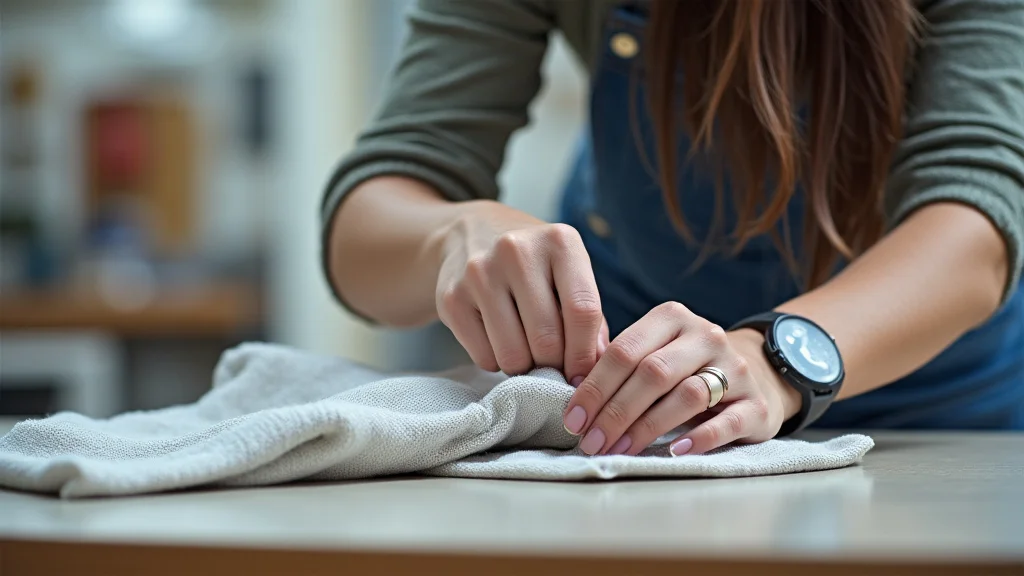
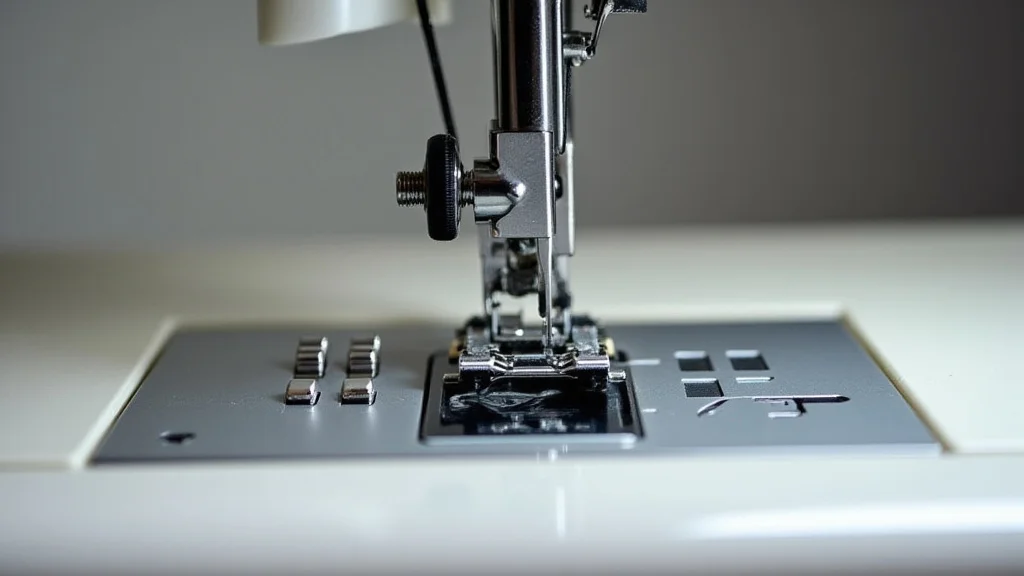
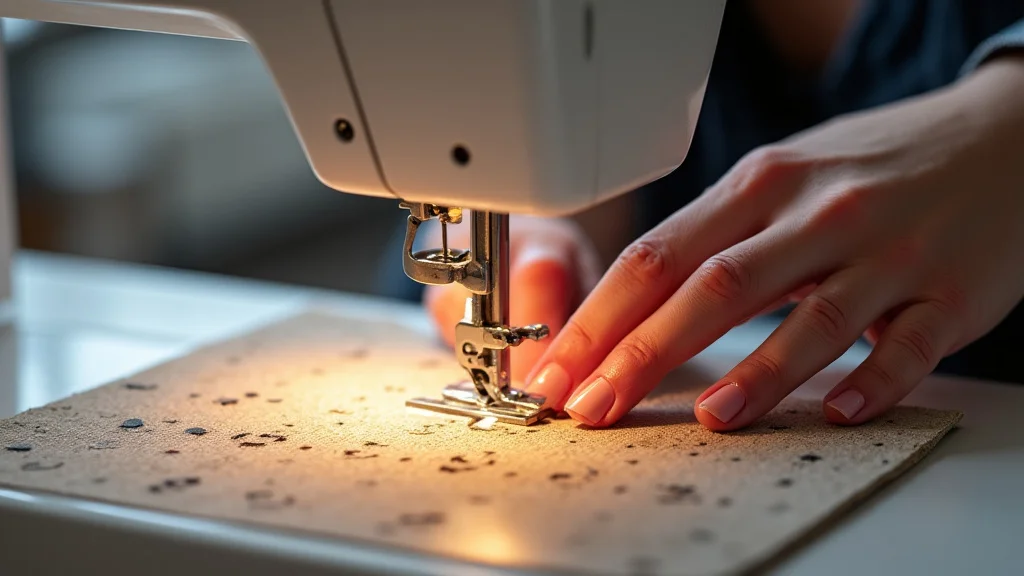
Remember that time you tried to follow a sewing pattern, and it was filled with words that sounded like a secret language? “Seam allowance,” “basting stitch,” and “selvage” – it was enough to make anyone want to give up! This guide is here to help you translate that language. We’ll explore essential sewing terms, breaking them down into easy-to-grasp concepts. By the end, you’ll be able to confidently read patterns, chat with experienced sewers, and maybe even create your own sewing projects. You will gain a solid foundation in sewing terms, leading to fewer frustrations and more crafting successes, improving your time on page and reducing bounce rate!
Key Takeaways
- Learn the fundamental vocabulary used in sewing.
- Understand the meaning of common sewing techniques.
- Improve your ability to read and interpret sewing patterns.
- Gain confidence in discussing sewing projects with others.
- Expand your knowledge of fabric manipulation.
- Enhance your overall sewing proficiency.
Essential Sewing Terms Explained
Sewing is a craft with its own unique vocabulary. Mastering these essential sewing terms is like learning the alphabet before writing a story. Starting with the basics allows you to build a strong foundation for more complex techniques and projects. From measurements to stitching methods, this section will explore the core concepts to help beginners feel more comfortable.
Seam Allowance
The seam allowance is the distance between the fabric edge and the stitching line. It’s the area that is stitched together to create a seam. It’s like the margin you leave when writing a note, only here it’s for joining fabric pieces. The size of the seam allowance is usually indicated on sewing patterns and varies depending on the project. Standard seam allowances are typically 1/4 inch or 5/8 inch. Incorrect seam allowances can lead to poorly fitting garments or incorrect dimensions.
- Importance: The seam allowance ensures that the fabric pieces are correctly joined, forming a strong and durable seam. It provides space for the fabric to grip, preventing fraying.
- Pattern Instructions: Sewing patterns often state the required seam allowance for each seam. Pay attention to these instructions to ensure that the pieces fit together as intended.
- Variations: Different projects might use different seam allowances. For example, a delicate silk scarf might use a smaller seam allowance than a heavy-duty denim jacket.
- Tools: Use a ruler or a seam gauge to measure the seam allowance accurately. Some sewing machines have a guide to help you keep the fabric edge aligned.
Basting Stitch
Basting is a temporary stitch used to hold fabric pieces together before the final stitching. This method is like using sticky notes to hold pages together before binding a book. A basting stitch can be removed once the final seams are sewn. This technique is especially useful for fitting garments or aligning complex designs where accuracy is vital. It enables the sewer to make adjustments before committing to the final stitch. It offers flexibility to make alterations without damaging the fabric.
- Function: It helps to prevent fabric from shifting or moving during the sewing process.
- Types: A basting stitch can be done by hand or by machine. When using a machine, set the stitch length to the longest setting.
- Removal: Basting stitches are easily removable.
- Applications: Basting is perfect for fitting garments, setting sleeves, and aligning patchwork pieces.
Selvage
The selvage is the tightly woven edge of fabric. Think of it as the finished edge of the cloth, preventing unraveling. It runs along the length of the fabric. It is created during the manufacturing process. It differs from the cut edges, which are prone to fraying. Understanding the selvage helps in cutting and preparing fabric correctly. It also ensures the fabric remains stable during sewing. Always be mindful of the selvage when cutting out fabric to prevent distortion of your project.
- Identification: The selvage is usually distinguishable by a tighter weave, a different color, or printed information along the edge.
- Purpose: It prevents the fabric from fraying and unraveling, providing a stable edge for sewing.
- Use in Sewing: Often trimmed before sewing, the selvage can be used as a guide to ensure you are cutting the fabric straight.
- Waste Reduction: The selvage can also be used in small projects or for reinforcing other fabric edges.
Understanding Sewing Techniques
Beyond the basic definitions, several sewing terms refer to specific techniques that improve the final look and durability of the sewn item. From finishing seams to creating decorative effects, these techniques add texture and interest to projects. They also improve the longevity of your projects. This will add many skills to your sewing toolbox. Let’s explore some of them.
Easing
Easing is a technique used to fit a larger piece of fabric to a smaller one, usually around curved areas. It is like gently stretching a rubber band. The goal is to distribute the extra fabric without creating gathers or pleats. The technique is commonly used in sleeves, necklines, and other curved areas of garments. Correct easing results in a smooth, professional finish. It requires careful pinning and stitching to achieve a seamless fit.
- Application: Often used when sewing sleeves into armholes or when working with fabric that has a slight curve.
- Method: The process involves stitching two rows of long stitches along the curved edge of the larger piece, then gently pulling the threads to gather the fabric to match the length of the smaller piece.
- Result: Creates a smooth, even curve, avoiding puckers or bulges in the finished garment.
- Importance: Ensures a well-fitted, professional-looking finish on your projects, especially in areas with curves.
Stay Stitching
Stay stitching is a line of stitches sewn within the seam allowance to stabilize the fabric and prevent stretching or distortion. It’s like putting a strong band around a box. This is particularly important for delicate fabrics or areas that are prone to stretching, such as necklines or curved edges. Stay stitching is typically done after the pattern pieces are cut but before any other construction takes place. It helps to maintain the original shape of the fabric pieces, contributing to a more precise fit. This makes your sewing easier.
- Timing: Done immediately after cutting the pattern pieces.
- Placement: Stay stitches are usually sewn along the seam line or within the seam allowance.
- Purpose: To prevent stretching or distortion of the fabric.
- Benefits: Preserves the shape of the fabric, making the sewing process easier and results more accurate.
Topstitching
Topstitching is a line of stitching sewn on the outside of a garment or project. It is usually done to add a decorative element, strengthen seams, or keep facings and linings in place. Topstitching can be used to emphasize design lines, edges, and details. It requires precision and attention to detail. This makes projects look professional. The choice of thread color and stitch length can significantly impact the finished appearance. Topstitching can transform a simple design into a more polished one.
- Purpose: Decorative, functional, and adds structure.
- Placement: Typically sewn on the right side of the fabric, parallel to a seam or edge.
- Thread: Often uses a contrasting thread to highlight the stitching or a heavier thread for durability.
- Machine Settings: Adjust stitch length and thread tension for desired effect.
Reading Sewing Patterns
Sewing patterns are the blueprints for creating clothing and other sewn items. Knowing the vocabulary used in patterns allows sewers to transform these patterns into something tangible. Reading patterns is an important skill to master. Pattern instructions are usually given with many technical terms. Deciphering these terms unlocks the potential to create a wide variety of sewing projects. This section will walk you through the key elements of patterns.
Grainline
The grainline is the direction the fabric threads run. It’s like the direction of the wood grain in a piece of timber. It is indicated on the pattern pieces with a line and arrows. This tells you how to align the pattern piece with the fabric. The grainline is essential for ensuring that the garment hangs and drapes correctly. Cutting fabric off-grain can cause the garment to twist or distort. The grainline helps you make sure the fabric is cut in the correct direction.
- Purpose: To ensure that the pattern pieces are aligned with the fabric’s warp and weft threads, ensuring proper drape and fit.
- Indication: Marked with a line and arrows on the pattern pieces.
- Alignment: Align the grainline on the pattern piece with the selvage edge of the fabric.
- Consequences of Incorrect Alignment: Garments can twist, stretch, or hang improperly.
Notches
Notches are small triangular or diamond-shaped markings on the pattern pieces. They are used to match the pattern pieces together. They are like puzzle pieces. These are essential for lining up seams and ensuring that different pattern pieces are sewn together correctly. Notches appear on the edges of the pattern pieces. Incorrectly matching notches can cause misaligned seams. They can lead to a project that doesn’t fit properly. Always make sure to match the notches carefully when sewing.
- Function: To align pattern pieces accurately.
- Appearance: Small triangles or diamonds on the pattern pieces.
- Matching: Match the notches on corresponding pieces during sewing.
- Importance: Ensures that seams align correctly, and the garment fits as intended.
Layout
A pattern layout is the plan showing how to arrange the pattern pieces on the fabric. It is like a map, guiding you where to place each pattern piece. This is designed to conserve fabric. The layout is found within the sewing pattern’s instructions. Following the layout instructions correctly ensures that you have enough fabric for your project. Incorrect layouts can lead to fabric waste or not having enough material to complete the project. These instructions are customized to specific sizes, fabric widths, and project designs.
- Purpose: To efficiently cut out pattern pieces on the fabric.
- Instructions: Found within the sewing pattern instructions.
- Considerations: Fabric width, pattern piece size, and the need to conserve fabric.
- Types: Can vary based on the fabric, pattern design, and project size.
Common Myths Debunked
Myth 1: Sewing is difficult and only for experienced people.
In reality, sewing can be learned by anyone with practice and patience. There are many resources for beginners, including online tutorials, sewing classes, and easy-to-follow patterns. The key is to start with simple projects and gradually work your way up to more complex designs. With a bit of perseverance, anyone can learn to sew.
Myth 2: You need a fancy sewing machine to sew well.
While a high-end sewing machine can offer advanced features, a basic machine is often sufficient for most projects. A simple machine that can straight stitch and zigzag stitch is enough to get started. Many beautiful garments and projects have been created with basic sewing machines. More advanced machines add some ease, but are not essential.
Myth 3: Sewing is too time-consuming.
The time needed for sewing varies depending on the complexity of the project, but the process can be very enjoyable. Many sewers find the act of sewing relaxing and rewarding. Sewing is not necessarily about speed. It can be a hobby that allows you to be creative, and customize items. The satisfaction of creating something yourself can be well worth the time invested.
Myth 4: You need to buy expensive fabrics to make beautiful items.
Beautiful items can be made using a variety of fabrics, including less expensive options. You can find quality fabric on a budget. The skill of the sewer and the design are more important than the cost of the fabric. Sewing is a great way to use up remnants and scraps. With a little creativity, inexpensive fabrics can be transformed into stunning pieces.
Myth 5: Sewing is only for making clothes.
Sewing is useful for a wide range of projects. You can create home decor items, accessories, and gifts. Sewing offers many possibilities. Sewing also allows you to make alterations to existing clothes. It is a fantastic way to personalize and customize items. Sewing allows you to repair items, which can save money and reduce waste.
Frequently Asked Questions
Question: What is the best stitch length for most sewing projects?
Answer: A stitch length of around 2.5 to 3 millimeters is generally considered standard for most sewing projects. This provides a balance between strength and visibility.
Question: How do I choose the right needle for my fabric?
Answer: Select a needle that matches the fabric type. For example, use a universal needle for woven cotton, a ballpoint needle for knits, and a denim needle for thicker materials like denim.
Question: What’s the difference between a seam and a stitch?
Answer: A stitch is a single pass of the needle through the fabric, while a seam is the line created by stitching two or more pieces of fabric together.
Question: How do I prevent fabric from fraying?
Answer: To prevent fraying, finish the raw edges of the fabric. Techniques include using a serger, zigzag stitching, or applying seam binding.
Question: How do I store my sewing machine?
Answer: Store your sewing machine in a clean, dry location, preferably covered to protect it from dust. Always disconnect the power when not in use.
Final Thoughts
Mastering sewing terms is the first step toward becoming a more confident sewer. Learning and understanding the key vocabulary will reduce frustration. You can explore all kinds of projects when you understand the terms. From seam allowances to grainlines, each term has a role in shaping your sewing experience. Every stitch adds a new skill. With each project, your ability to understand and implement these concepts will grow, leading to better results. By taking a bit of time to learn the language of sewing, you’re not just learning words; you’re building a foundation. That base is for creativity. So, embrace these terms, experiment with different techniques, and enjoy the creative process. The world of sewing is wide, with many options and opportunities. Start your next project, and happy sewing!