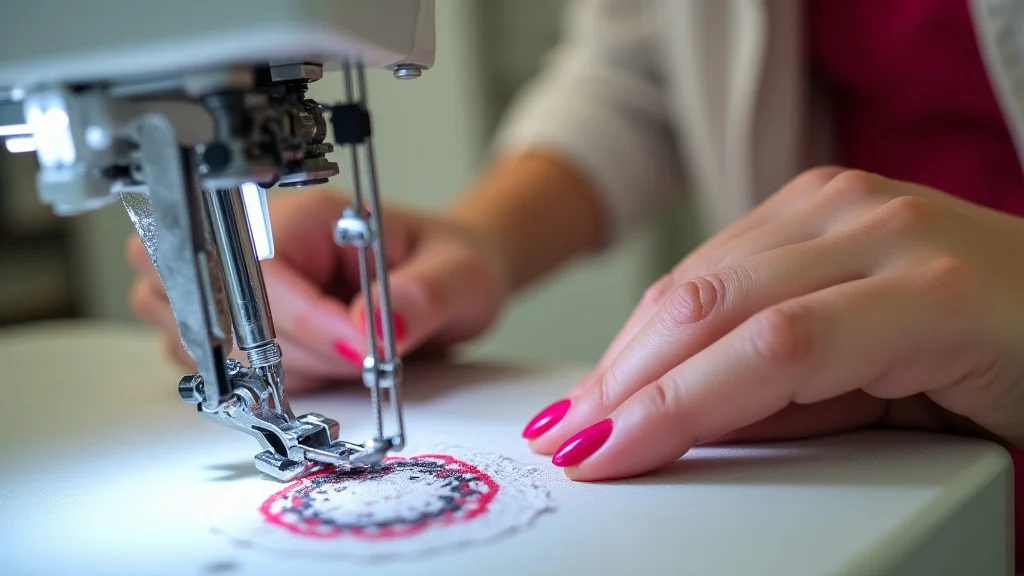
Remember that old, slightly dusty sewing machine tucked away in your attic? Perhaps you’ve always admired beautifully handcrafted items, or maybe you’re intrigued by the idea of creating your own clothes. Whether you’re a complete beginner or looking to expand your skills, this guide is all about sewing & more. We’ll explore everything from basic stitches to more advanced techniques, providing you with the knowledge and inspiration to transform fabrics into your vision. You’ll gain practical skills, learn to troubleshoot common problems, and discover a whole community of crafting enthusiasts. Get ready to turn your passion for sewing & more into a rewarding and creative pursuit.
Key Takeaways
- Learn essential sewing techniques suitable for various projects.
- Discover the basics of fabric selection and understand different materials.
- Explore the different types of sewing machines and related tools.
- Gain valuable tips on how to prepare your sewing space.
- Find ideas to create several projects and get inspiration.
- Get to know many resources and communities.
Sewing: The Foundation of Crafting
Sewing is more than just stitching fabric together; it’s a creative expression, a practical skill, and a way to bring your ideas to life. From simple repairs to elaborate garments, the ability to sew opens up a world of possibilities. You’ll be able to create custom clothing that fits perfectly, personalize your home decor, and even start a small business. By starting with the fundamentals and gradually advancing, anyone can master this rewarding craft. It’s a skill that combines artistry with practicality, making it a source of both personal satisfaction and creative achievement.
Essential Stitches for Beginners
Every sewing project begins with stitches, the building blocks of any design. Mastering basic stitches is like learning the alphabet – without them, you can’t form words or create stories. The simple act of pulling a needle and thread through fabric allows you to attach pieces, create seams, and add decorative elements. Starting with these foundations makes every subsequent task easier, more fun, and less complicated. Familiarity with the common stitches ensures that your initial creations are both functional and visually appealing.
- The Running Stitch: This simple stitch involves passing the needle in and out of the fabric in a continuous motion. It’s used for gathering, basting, and making quick seams.
The running stitch, often the first stitch people learn, is a fundamental stitch in sewing. It involves a simple up-and-down motion with the needle, creating a series of evenly spaced stitches. Ideal for temporary basting (holding fabric together before a permanent seam is sewn), gathering fabric, and adding simple details. Using a running stitch is a great way to start sewing. Remember to keep your stitches consistent in length for a neat finish.
- The Back Stitch: The back stitch provides a stronger seam than the running stitch. The needle goes backward, overlapping the previous stitch.
The back stitch is a stronger alternative to the running stitch. The needle is brought up through the fabric, then a short distance ahead, and then back down through the point where the previous stitch emerged. This creates a solid line of stitches, making it perfect for permanent seams that need to hold up to wear and tear. It’s very suitable for stitching by hand and is often the best choice for beginners, as it provides a robust and reliable seam.
- The Slip Stitch: This almost invisible stitch is used for closing openings or attaching elements. It hides the seam, creating a clean finish.
The slip stitch is a discreet, almost invisible stitch used to close openings and attach elements like linings or appliques to the main fabric. The needle is inserted into the fold of the fabric on one side, then picked up a tiny stitch on the other side, and pulled through. This process is repeated, creating small, nearly hidden stitches that blend into the fabric. It requires patience and precision but is essential for achieving a polished and professional look in your sewing projects.
- The Overcast Stitch: This stitch is used to finish raw edges of the fabric and prevent fraying. It provides a clean and durable edge.
The overcast stitch is essential for finishing raw fabric edges, preventing fraying, and increasing the life of your sewn items. By looping the thread over the edge of the fabric, this stitch reinforces the edges and creates a clean, durable seam. Often used on woven fabrics that are prone to unraveling. It can be done by hand or with a sewing machine that has an overcast stitch function. The main objective is to enclose the raw edges and avoid them from unraveling with use.
Selecting the Right Sewing Machine
Choosing the correct sewing machine is a critical decision, as it sets the stage for your projects. There are many options, each with unique features and capabilities. From basic mechanical machines to computerized models with a wealth of stitches, the perfect machine matches your experience level, sewing requirements, and budget. Taking some time to explore the different types ensures that your machine helps you achieve your creative objectives. You should consider its ease of use, durability, and the kinds of projects you plan to accomplish.
- Mechanical Sewing Machines: These machines are basic, durable, and easy to understand. They are ideal for beginners.
Mechanical sewing machines are great for beginners as they are easy to understand and use. They often feature only the most fundamental stitches, such as straight and zigzag. They are typically less expensive and require minimal maintenance, making them ideal for someone starting their sewing journey. They are reliable, and their simple mechanics are easy to master. For those who want to focus on the basics and are not interested in complex features, a mechanical machine is an excellent option.
- Electronic Sewing Machines: These machines provide enhanced features, such as multiple stitch options and automated functions.
Electronic sewing machines offer an advanced experience with a wide selection of stitches, including decorative ones. They usually include helpful features such as automatic needle threading, speed control, and LCD screens to display stitch information. These features make it easier to manage complicated projects and offer more options for customization. Electronic sewing machines are a suitable choice for sewers looking to enhance their abilities and have more creative control over their projects.
- Computerized Sewing Machines: These machines are feature-rich and often include a variety of stitch patterns, lettering, and memory functions.
Computerized sewing machines are at the top of the range, offering a plethora of features and advanced capabilities. They typically include hundreds of stitch patterns, many of them automated functions, and the ability to save and recall stitch patterns. They are often equipped with LCD screens, touch controls, and are suitable for more complex projects. They are best for experienced sewers who want the full range of creative options. The convenience of computerized controls and the wide range of features will bring an extra level of control.
Understanding Sewing Tools and Equipment
A well-equipped sewing kit is key to a successful experience. You’ll need more than just a sewing machine; various instruments and devices support the process. Each tool is developed for a unique purpose, from measuring and cutting to marking and pressing. Having the right tools makes the process easier and helps you achieve great results. As you gain more experience, you might expand your collection with tools specialized in different types of projects.
- Scissors and Rotary Cutters: Essential for cutting fabric precisely. Use fabric shears, rotary cutters, and paper scissors.
Scissors and rotary cutters are crucial for the cutting phase. Fabric shears are long, sharp scissors that are exclusively used to cut fabric. Rotary cutters, which are circular blades, are commonly used for cutting several layers of fabric at once. These tools, together with a cutting mat and a ruler, will ensure exact and effective cutting. It is important to have these instruments to ensure a clean cut and perfect measurements, especially when dealing with detailed patterns or complex shapes.
- Measuring Tools: Accurate measurements are crucial for any sewing project. Include tape measures, rulers, and gauges.
Accurate measurements are critical in sewing, and a variety of tools can help. A flexible tape measure is used to measure the body and fabric lengths. Rulers and sewing gauges are used for shorter lengths and precise markings. Having a variety of measuring tools ensures your cuts and seams will meet the requirements of your design. Accurate measurements prevent errors, save time, and ensure that your garments and projects fit and function properly.
- Needles and Thread: Selecting the correct needle and thread is vital for the fabric and project.
The correct selection of needles and thread is critical for the success of your project. Select needles and threads that match your fabric type and project requirements. Thicker needles are used for heavier fabrics. Thread weight can be different, so choose one that is suitable for the project. For example, all-purpose thread works for many projects. Properly selecting the needles and threads can prevent issues such as broken needles, skipped stitches, and damaged fabric.
- Pins and Clips: Pins and clips secure fabric pieces together before sewing.
Pins and clips are important tools for keeping fabric pieces together during the sewing process. Pins are used to temporarily secure pattern pieces before sewing, while clips are an option for thicker materials. Pins hold the fabric in place, guaranteeing that the pieces stay aligned. Clips are perfect for materials that are harder to pin. They are helpful for a clean and precise project, whether it’s pinning a pattern or holding layers of fabric together.
Fabrics and Materials: Choosing the Right Ones
Understanding different fabrics and materials is key to successful sewing. The material you choose has an effect on the look, feel, and function of your project. From light cotton to sturdy denim, each fabric has unique characteristics. Knowing these qualities helps you choose the right material for the project. Knowing the many options available and their benefits can help you find suitable materials for your sewing needs.
Types of Fabrics
The world of textiles is vast and diverse, with many fabric types to choose from. Each fabric type has unique properties, from composition to weight. The fabric type you select influences the style, drape, and durability of your finished project. Experimenting with various fabrics opens up new creative possibilities, allowing you to create a wide variety of items. Always consider the project’s purpose and your desired outcome when selecting a fabric, guaranteeing it meets the practical and aesthetic requirements.
- Cotton Fabrics: Cotton is versatile, breathable, and easy to work with. It’s great for clothing and home decor.
Cotton fabrics are a great option for beginner sewers. They are breathable, easy to work with, and suitable for a variety of projects. Cotton is used in various sewing projects, from apparel like shirts and dresses to home decor. Its ease of handling makes it perfect for beginning projects. Cotton’s durability and easy maintenance make it a good choice for people of all levels of experience. Consider pre-washing the cotton before starting your project to avoid any shrinkage.
- Linen Fabrics: Linen is strong, durable, and gets softer with each wash. It’s often used for clothing and home goods.
Linen is a luxurious and strong fabric made from the flax plant. Linen is strong and gets softer with each wash. It is used to make clothing, bedding, and home decor items. Linen’s breathable and moisture-wicking properties make it ideal for warm weather apparel. Sewing with linen requires a little attention due to its tendency to wrinkle. It’s a great option for those seeking a stylish, durable fabric with natural properties. Linen’s beauty and longevity make it a favorite for many sewers.
- Silk Fabrics: Silk is a luxurious, delicate fabric with a beautiful drape. It’s used for special occasion wear.
Silk is a luxurious fabric known for its beauty, softness, and elegant drape. It is a natural protein fiber produced by silkworms. Silk is often used in formal wear, dresses, and linings. Sewing with silk can be difficult because it is delicate and slippery. However, its elegance and beauty make it worth the effort. It is suitable for those seeking to create high-end garments. Silk requires careful handling and attention to detail, but the results are exceptional.
- Wool Fabrics: Wool is warm, durable, and resistant to wrinkles. Wool is used in coats, sweaters, and blankets.
Wool is a natural fiber from sheep that has warmth, durability, and wrinkle resistance. It is used in outerwear, sweaters, and blankets. Wool comes in various weights and textures, from fine merino wool to chunky tweeds. It is a good choice for creating warm and durable garments. Sewing with wool requires special techniques to prevent shrinkage. It’s suitable for various projects, especially those requiring comfort and protection from the weather. Wool is a classic choice for people who sew.
Understanding Fabric Weights and Grain
The weight and grain of a fabric play critical roles in a sewing project. The weight, or thickness, of a fabric affects its draping, how it feels, and its appropriate use. Understanding the grain, which refers to the alignment of the fabric’s threads, ensures that your projects are accurately cut and stitched. A good understanding of fabric weight and grain will help you choose the correct fabrics for the projects, leading to better outcomes. It’s a core component of the creative process.
- Fabric Weight: The thickness of fabric is measured by its weight, ranging from lightweight to heavyweight.
Fabric weight refers to how heavy or thick a fabric feels and is expressed in grams per square meter (GSM) or ounces per square yard (oz/yd²). The weight affects how a fabric drapes, feels, and is used. Lightweight fabrics like cotton voile are great for blouses. Medium-weight fabrics like cotton and linen are suitable for dresses and skirts. Heavyweight fabrics like denim are used for structured garments. Choosing the correct fabric weight is essential to achieve the desired outcome of the project. It ensures that the result is right for the project’s requirements.
- Fabric Grain: The grain refers to the direction of the fabric threads. Straight grain runs parallel to the selvage.
The fabric grain determines how the material hangs and drapes. Fabric grain runs in two directions: the lengthwise straight grain and the crosswise grain. The straight grain runs parallel to the selvage and offers the most stability. The crosswise grain runs perpendicular to the selvage, providing more stretch. It is essential to align the pattern pieces along the correct grain. Accurate grain placement makes sure that the garment fits correctly and maintains its shape over time. This basic step is necessary for professional results.
- Fabric Stretch: Some fabrics, like knits, have stretch.
Many fabrics, particularly knit fabrics, have stretch. Fabrics with stretch can be one-way or two-way. This affects how the fabric will move and fit. Understanding the degree of stretch is essential when selecting patterns. Knit fabrics require special sewing techniques and needles. Ensuring that you are familiar with a fabric’s stretch will help you in your project and make sure the finished product fits well and looks great. Always consider the project when selecting the fabrics.
Sewing Projects: From Beginner to Advanced
Sewing is a versatile skill that allows you to create a range of projects, from simple repairs to detailed garments. As you gain more experience, you can explore various options to express your creativity. Whether you’re making a simple tote bag or a complex dress, the key to success is to start with easier projects and gradually advance to more difficult ones. You’ll build confidence as you go, and you’ll grow your skills. You’ll also learn the joy of bringing your ideas to life.
Beginner Projects
Starting with simple projects allows beginners to become familiar with their sewing machine, practice basic stitches, and gain confidence. These tasks are a good way to discover the fundamentals and develop a strong foundation before tackling more difficult designs. The goal is to build your skills step by step. These projects are intended to be accessible to everyone, giving a sense of accomplishment.
- Simple Pillowcases: Easy to make and great for practicing straight stitches and seam finishing.
Creating simple pillowcases is an ideal beginner project to master the fundamentals of sewing. It involves straight stitching, measuring, cutting fabric, and simple seam finishing techniques. Pillowcases are great for practicing straight lines and corner techniques, which are crucial for other sewing projects. You will also learn to deal with cutting fabric to specific sizes, which is an important skill. The resulting pillowcases are useful and can be tailored to match your decor. It’s an easy project to start and finish.
- Drawstring Bags: Practical and easy to create, these bags use basic stitches and easy construction.
Making a drawstring bag is an excellent project for beginners who want to learn how to create basic seams and easy construction. It also allows you to practice gathering and inserting a drawstring. The project is an introduction to creating a finished product that is practical and visually appealing. Drawstring bags are useful for storing items or as a reusable alternative to shopping bags. This project allows you to try different fabrics and is a great option to try a variety of patterns. They are quick to sew and can be customized with various embellishments.
- Simple Tote Bags: These projects allow you to practice straight stitching and reinforce seams.
The tote bag is a classic project, and it’s perfect for beginners because it focuses on straight lines and simple construction. You’ll need to cut fabric to size, stitch seams, and reinforce areas like the handles for durability. This project allows you to practice straight stitching, measuring, and seam finishing. Tote bags are reusable and perfect for carrying items. Tote bags offer a great way to show off your creativity, and you can add designs. It’s a good option to use more robust materials such as canvas or other durable fabrics.
Intermediate Projects
As you build confidence, you can go to more complex projects with more detailed instructions. These projects will introduce new techniques, such as working with patterns, zippers, and more complex designs. These new challenges will help you improve your skills and push your creative limits. Intermediate projects are great for people who want to try more advanced methods and learn more difficult tasks.
- Simple Skirts: Constructing a basic skirt introduces working with patterns, zippers, and elastic waistbands.
Sewing a skirt involves many essential sewing techniques, from working with patterns to adding closures. This project will help you try various designs and fabrics. The basic skirt teaches you how to cut fabric, attach darts, insert zippers, and finish hems. It is a fundamental project that increases your skills in garment construction. Skirts are versatile and can be tailored to fit your style. Sewing a skirt is a satisfying experience. It is a step toward making clothes that fit well and showcase your creative abilities.
- Pajama Pants: An easy introduction to garment construction that teaches you how to use patterns.
Creating pajama pants is a good first step toward sewing garments, and it helps you learn how to use patterns. Pajama pants help you develop skills in cutting, sewing, and applying elastic waistbands. It’s a great option for practicing techniques with patterns, and it is a good project for learning garment construction. You can customize them with different fabrics and designs. It is easy to fit and comfortable. Sewing pajama pants is a practical and creative activity, which allows you to showcase your unique style.
- Simple Blouses: Sewing a blouse helps you improve your skills to more complex garment constructions.
Sewing a blouse can enhance your garment construction skills by including more advanced techniques, such as collars and cuffs. They offer a good opportunity to develop skills like pattern matching and detailed stitching, allowing you to create beautiful, wearable garments. You can select a variety of designs and fabrics to customize the blouse. This project is a chance to try more complex methods and express your unique style.
Advanced Projects
For more experienced sewers, advanced projects include detailed designs that need accuracy and advanced techniques. These projects provide a chance to test your skills and push the boundaries of your creativity. You’ll face challenges, such as working with complex patterns, intricate details, and unique fabrics. These projects will provide you with a high sense of accomplishment. These advanced projects are ideal for expanding your sewing experience.
- Tailored Jackets: These garments require precise measurements, pattern matching, and complex construction.
Making tailored jackets combines accurate measurements, pattern matching, and complex building techniques. Tailored jackets need skills such as sewing linings, working with structured fabrics, and setting sleeves. They require a deep level of understanding and skill. This project is best for people who already have experience. Creating a tailored jacket is very satisfying. It is a good opportunity to showcase your sewing abilities.
- Wedding Gowns: These projects need detailed construction, delicate fabrics, and advanced techniques.
Wedding gowns are some of the most intricate sewing projects. They typically require detailed construction, with complex sewing techniques and delicate fabrics. These projects include fitting, draping, and embellishment. Creating a wedding gown needs great attention to detail and precision. Working on a wedding gown is challenging, as it requires a high level of skill. The end result is a beautiful and meaningful garment.
- Quilts: Complex designs involve piecing together fabric and creating patterns. They require precise stitching and intricate details.
Making quilts is a detailed project. You create complex designs by sewing together fabric pieces, making beautiful patterns. It requires precise stitching, accurate measuring, and an understanding of fabric weight and design. Quilts vary greatly, from simple squares to elaborate scenes. It can also be a community activity. Quilts offer a great chance to be creative and combine a variety of fabrics and patterns. Creating a quilt is a labor of love that results in a beautiful item.
Sewing: Tips and Tricks to Improve Your Results
Here are some practices to enhance the sewing experience. Proper preparation and a good workspace are essential. These suggestions will help you produce better outcomes. You will gain efficiency, accuracy, and creative fulfillment. Taking time to learn and apply these methods will result in a more productive and enjoyable sewing journey.
Setting Up Your Sewing Space
A well-organized workspace improves the sewing experience. A dedicated area makes it easy to leave your projects and take up sewing any time. An efficient workspace helps in terms of productivity and makes the job more enjoyable. Taking time to prepare your sewing space enables you to take advantage of your creative time.
- Organizing Your Sewing Area: Maintain a well-ordered area to make your projects more efficient.
Keeping a well-organized area saves time and effort. Place your sewing machine on a flat surface, with enough room around it. The space for cutting, pressing, and storing your tools and materials should also be close. Ensure you have good lighting to reduce eye strain. Keeping your sewing area organized lets you begin working quickly and stay focused. A well-ordered space will make your sewing more enjoyable and efficient.
- Essential Equipment: Make sure you have the right equipment and tools.
Having the correct equipment and tools readily accessible is critical. Make sure that your sewing machine is in working order. Have a range of tools, like scissors, tape measures, and cutting mats. Organize your thread, bobbins, and needles. If all your supplies are easy to reach, it helps in the sewing process. A properly equipped space improves your productivity. You can concentrate on creating your projects instead of looking for supplies.
- Storage Solutions: Use proper storage to keep your materials tidy.
Using the right storage solutions is vital for a well-organized sewing space. Use drawers, shelves, and containers to store your fabric, thread, and notions. Make sure you can see what you have and that the storage system is accessible. Labelling your storage makes it easier to find supplies. Good storage solutions keep your workspace clean. They reduce clutter and help to make your sewing more enjoyable.
Improving Sewing Techniques
Improving your sewing skills requires knowledge and practice. Taking time to work on and use effective techniques makes projects better. Proper techniques will improve your sewing accuracy. This will lead to professional-looking results. With these techniques, you can improve your confidence and improve the quality of your finished products.
- Precise Measuring and Cutting: Precise measuring and cutting are essential for the sewing process.
Precise measuring and cutting are the basis of an excellent project. Before cutting your fabric, take the time to measure precisely. Ensure that the pattern pieces are accurately aligned, using a rotary cutter. A well-cut pattern results in a better final outcome. Exact measurement and cutting will make your projects much better. It guarantees that the pieces fit properly, making your sewing more effective and accurate.
- Consistent Stitching: Consistent stitching improves the overall look and quality of your project.
Stitching with consistency will boost your results. Make sure that your stitches are equally spaced. Using a seam guide on your sewing machine can help keep your seams straight. Make sure the thread tension is adjusted. Consistent stitching makes your work look more professional and improves its durability. Consistency in stitching guarantees the quality of the finish and your items’ overall look.
- Seam Finishing: Correct seam finishing makes the seams stronger and prevents fraying.
Seam finishing is essential for creating durable seams that prevent fraying. There are various techniques, such as zigzag, serging, and binding. Select the finishing technique that suits your fabric. Properly finished seams make your creations look professional. Seam finishing improves the appearance of the item and improves its durability. These techniques improve the overall quality of your completed projects.
Troubleshooting Common Issues
Every sewist faces problems, and knowing how to correct them is part of the learning process. It is common to experience thread breaks, skipped stitches, and tension issues. Learning how to identify and solve these problems improves your sewing ability. This will help you resolve issues and keep your projects running smoothly.
- Thread Breaks: Thread breaks can be caused by various factors, like poor thread or incorrect tension.
Thread breaks can disrupt your project, but the problem can usually be fixed. Check your thread to see if it is compatible with your sewing machine. Examine the needle and make sure it is correct for your fabric. Modify the thread tension. Make sure your machine is threaded properly. Resolving thread breaks will save time and frustration. It is essential to ensure that your sewing process goes smoothly.
- Skipped Stitches: Skipped stitches can result from needle issues, incorrect settings, or fabric problems.
Skipped stitches, which occur when the needle fails to catch the bobbin thread, disrupt your seams. Make sure you use the right needle for your fabric. Double-check your machine settings and ensure the needle is inserted properly. Skipped stitches indicate machine problems or incorrect threading. Identifying and fixing the root cause will keep your stitches intact. You’ll be able to create seams that are neat and secure, ensuring a good quality finished product.
- Tension Issues: Tension problems can cause puckering or loops. They often result from incorrect tension settings.
Tension problems can result in problems, such as puckering or looped stitches. Tension settings should be modified to resolve these problems. This can be achieved by making sure the top and bottom tensions are balanced. Use a test fabric to see the effects. Adjusting the tension will lead to flat, smooth seams. Solving tension issues is crucial for maintaining the quality of your work. It also guarantees professional-looking results.
Common Myths Debunked
Frequently Asked Questions
Question: What is the best sewing machine for beginners?
Answer: A mechanical sewing machine with basic functions is often the best choice for beginners due to its simplicity and ease of use.
Question: How do I choose the correct fabric for my project?
Answer: Consider the project’s purpose, drape, and durability, and match the fabric weight and composition to the design and style.
Question: What are the essential tools needed for sewing?
Answer: Essential tools include scissors or a rotary cutter, a tape measure, pins, needles, and thread.
Question: What’s the difference between a running stitch and a back stitch?
Answer: The running stitch is a simple, straight stitch used for gathering or basting, while the back stitch is a stronger stitch that overlaps the stitches for durability.
Question: How do I prevent my fabric from fraying?
Answer: Use seam finishes such as zigzag, serging, or binding to prevent raw edges from unraveling.
Final Thoughts
Sewing & more is an amazing craft that goes beyond simply stitching fabrics together. It provides a means to express creativity and craft unique items. From understanding the basics of sewing to the vast world of fabrics and designs, there is something for everyone. Whether you’re making your own clothes or adding a personal touch to your home, sewing gives a sense of accomplishment. Start with easy projects, learn new skills, and practice regularly. Explore different types of fabrics and get creative with your designs. Embrace the learning process, be patient with yourself, and enjoy the journey. With dedication and practice, you’ll be creating incredible items that reflect your own style. Your sewing journey is waiting for you!