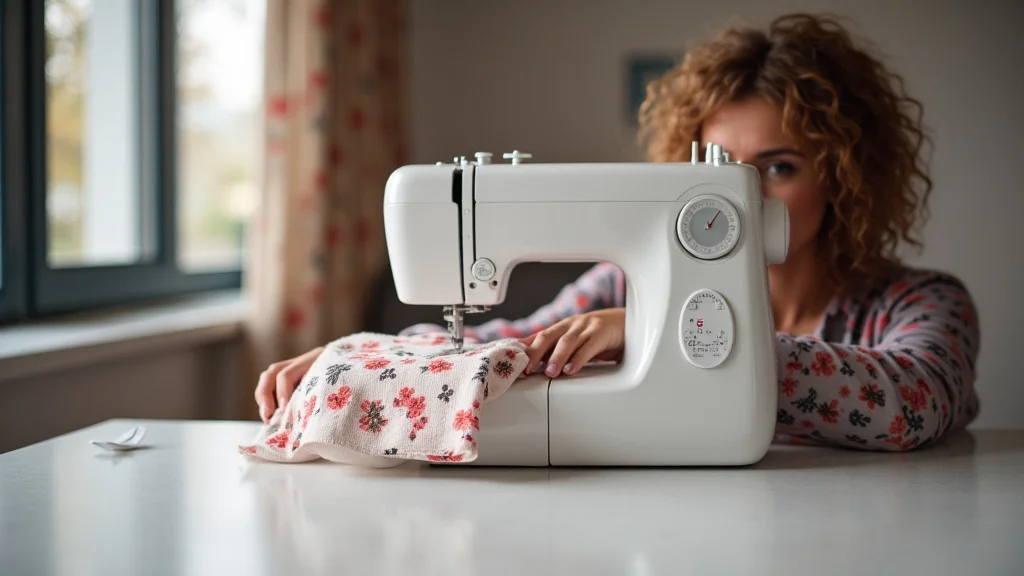
Remember that one time you tried to hem your pants and ended up with a crooked stitch and a frustrated sigh? We’ve all been there! Finding the right guidance is key, and that’s where the wonderful world of sewing youtube channels comes in. These online resources can teach you everything from the basics of threading a needle to advanced techniques for crafting complex garments. This post will show you how to find the best channels, learn valuable skills, and gain confidence in your sewing projects. You’ll also learn tips to become part of the wonderful crafting community that exists on the platform. Get ready to transform your sewing experience and find the perfect resources to get started.
Key Takeaways
- Discover a wide variety of sewing youtube channels suited for all skill levels.
- Learn to identify channels that match your specific sewing interests and needs.
- Find tips for choosing the right tutorials and projects to start with.
- Understand how to use youtube to build confidence and hone your sewing skills.
- Explore techniques for sourcing patterns, materials, and supplies.
- Gain inspiration and find support within the online sewing community.
Embark on Your Sewing Adventure
The sewing youtube platform is a treasure trove of knowledge for anyone looking to learn or improve their sewing skills. Whether you’re a complete beginner or an experienced seamstress looking to expand your knowledge, there’s a channel out there for you. The beauty of these channels lies in their accessibility. You can watch tutorials anytime, rewind when you miss a step, and pause to gather your supplies. Forget expensive classes and confusing books – youtube provides a convenient and often free way to learn.
Finding the Right Channels
With so many options, how do you find the best channels for you? The first step is to consider your skill level and your specific interests. Are you a beginner wanting to learn the basics, or are you hoping to master garment construction? Are you interested in creating specific items, like bags, dresses, or home decor? Once you have a clear idea of what you want to learn, you can begin your search.
-
Consider Your Skill Level: Many channels cater to specific skill levels. Look for channels that clearly state whether they are aimed at beginners, intermediate sewers, or advanced seamstresses. Beginner channels will focus on fundamental skills like threading a machine and basic stitches. Intermediate channels often cover more complex projects, while advanced channels may explore advanced techniques such as pattern alteration.
This is crucial. Start with content designed for your current ability. Attempting advanced techniques before mastering the basics can be frustrating and may lead to negative experiences. Start small and build confidence.
-
Explore Different Sewing Interests: Sewing covers a wide array of crafts. Some channels focus on garment sewing, demonstrating how to make clothes. Others concentrate on quilting, bag making, or home decor projects. Identify what you like to create. Then, seek channels with expertise in those areas.
If you’re interested in making bags, search for ‘bag sewing tutorials’. You will quickly find a multitude of channels dedicated to the craft. This targeted approach will save you time and help you find relevant content.
-
Check Channel Content & Reviews: Before investing your time, explore the channel’s content. Look for videos that seem well-produced, easy to follow, and clearly explained. Check the comments section for reviews and feedback from other viewers. This will give you an idea of the channel’s reputation and teaching style.
Quality varies, so be cautious. A channel with many positive reviews and clear explanations is typically a good choice. Don’t waste your time on poorly made videos or channels that are difficult to follow. Focus on ones that offer valuable instructions and positive feedback.
-
Look for Style and Personality: Consider what appeals to you. Some channels are highly technical, focusing on precise instructions. Others provide a more casual and friendly approach. Choose channels whose style and personality you enjoy.
A good teacher is someone you connect with. Their enthusiasm and personality can motivate you. Watch several videos from different channels to see what resonates with you.
Mastering Sewing Techniques with YouTube
Sewing youtube offers detailed guidance on a wide range of techniques. Learning these techniques step-by-step allows sewers to improve their skills gradually. From learning the basics to mastering advanced stitches, the platform is an excellent learning resource. With some practice, even complex projects become attainable.
Essential Sewing Skills
-
Threading a Sewing Machine: Properly threading your sewing machine is the fundamental step for success. Many beginners struggle with this. Look for tutorials that clearly demonstrate the threading process step by step, including illustrations or close-up shots of each stage.
Ensure the video covers the specific type of machine you own. Different machines have slightly different threading paths. Practice the process several times until you can do it without looking at the instructions. Proper threading is essential for preventing tangled threads and ensuring smooth sewing.
-
Understanding Basic Stitches: Knowing fundamental stitches is essential. Channels provide tutorials on straight stitches, zigzag stitches, and other essential options. They will show you how to adjust your machine settings for each stitch, and when to use them.
Each stitch serves a specific purpose, such as a straight stitch for general sewing, a zigzag stitch for finishing raw edges, and decorative stitches for embellishment. Understanding the applications is essential to creating quality projects.
-
Seam Finishes: Seam finishes are crucial for preventing fabric edges from fraying and prolonging the life of your garments. Many tutorials show you how to use sergers, as well as how to finish seams with a regular sewing machine. This includes zigzag stitching, overcasting, and French seams.
Different fabric types require specific seam finishes. For example, delicate fabrics benefit from French seams, which enclose the raw edges. Understanding these techniques will improve the quality of your finished products.
-
Working with Different Fabrics: Fabrics vary in their thickness, texture, and behavior. Channels often demonstrate how to sew different fabric types, such as cotton, silk, and denim. They provide valuable tips on how to adjust your machine settings and needles to achieve the best results.
Understanding these adjustments helps you get the best results. For example, use a microtex needle for tightly woven fabrics and a universal needle for general sewing. Also, learn how to prevent fabrics from stretching or puckering during the sewing process.
Advanced Sewing Techniques
-
Pattern Reading and Alteration: Once you’ve mastered the basics, explore channels that provide guidance on pattern reading and alterations. Tutorials will show you how to interpret pattern markings, measure your body, and adjust the pattern to achieve a proper fit.
Pattern reading is a skill. It involves learning to interpret symbols and measurements on the pattern pieces. Pattern alteration enables you to make the garment fit your unique body shape. These skills allow you to create custom clothing.
-
Zipper Insertion: Zippers can be difficult, but many channels offer step-by-step guides on how to install different types of zippers, including invisible zippers, and exposed zippers. They’ll also explain the techniques for centering zippers and creating a clean finish.
Practice is key. Zipper insertion is a skill that improves with experience. Begin with simple zippers, and gradually move on to more complicated types. Correctly inserted zippers will make any garment look professionally made.
-
Buttonholes and Buttons: Buttonholes and buttons are key details in many sewing projects. Look for channels that explain how to create buttonholes using a sewing machine, or how to sew buttons by hand. These videos will show you the correct settings, tools, and tricks for precise results.
Properly sewn buttons and neat buttonholes add a polished touch to any garment. They will also improve the durability of your projects. Learn the basics, and practice the techniques until you feel confident.
-
Garment Construction: For sewers looking to create clothing, look for channels that demonstrate garment construction. These channels cover every step, from cutting out the pattern pieces to assembling the garment. This includes tips on sewing seams, setting sleeves, and creating necklines.
Garment construction is an involved process. Breaking down the construction into steps makes it easier to follow and learn. By watching these channels, you can learn to create your own unique garments.
Sourcing Patterns, Materials, and Supplies
Besides technique tutorials, sewing youtube channels often provide useful information about the tools of the trade. They can guide you through everything, from the correct type of fabric to the kind of scissors you should buy. These resources can save you time and money.
Finding the Right Fabrics
-
Understanding Fabric Types: Learn about different fabric types, their properties, and ideal uses. Channels will introduce you to cotton, linen, silk, wool, and synthetic fabrics. They will explain which fabrics are best suited for different sewing projects.
Each fabric type behaves differently. Cotton is easy to work with, while silk requires more care and precision. Knowing these characteristics is essential to making the right fabric choices.
-
Identifying Fabric Weights: Fabric weight affects the drape, appearance, and suitability of the fabric for specific projects. Channels will explain light, medium, and heavy-weight fabrics, and where to use them. For instance, lighter-weight fabrics are ideal for blouses, and heavier fabrics for outerwear.
Selecting the proper fabric weight is vital. Too light, and the garment might lack structure. Too heavy, and it might be stiff and uncomfortable.
-
Choosing Fabric Colors and Patterns: From solid colors to intricate patterns, fabric selection can enhance the visual appeal of a project. Many channels provide advice on how to choose fabrics. They will explain color theory, pattern matching, and how to combine different fabrics.
The right fabric can transform your project. It’s an integral component of the final appearance. Experiment with different combinations to create your own unique style.
-
Sourcing Fabrics Online and in Person: Many channels give recommendations on where to purchase fabrics. Whether you enjoy the selection and convenience of online stores, or prefer the tactile experience of shopping at a local fabric store, finding good sources is key.
Good sources provide a vast selection, reasonable prices, and high-quality fabrics. When in person, you can touch and feel the fabric before purchasing it. Online, look for detailed descriptions and customer reviews.
Choosing the Right Tools and Equipment
-
Sewing Machines: Choosing the best sewing machine for your needs is a vital decision. Many channels offer reviews of various machines, from basic models for beginners to advanced machines for experienced sewers. They will discuss features such as stitch types, automatic buttonholers, and built-in decorative stitches.
A good machine is your partner. It must fit your skill level, your budget, and your sewing interests. Researching your machine options can ensure that you select a product that helps you improve your sewing.
-
Scissors and Rotary Cutters: Precise cutting is essential for a clean finish. Tutorials demonstrate the use of fabric scissors and rotary cutters. They will also show you how to sharpen your tools and take care of them for the best results.
Using the right cutting tools can enhance accuracy. Good tools will help you cut fabric smoothly and with ease. Sharpening them regularly is a must.
-
Measuring Tools: Accurate measurements are essential. You’ll learn how to use measuring tapes, rulers, and seam gauges to measure fabric and patterns correctly. They’ll also explain how to use those tools to make pattern adjustments.
Precise measurement is the foundation of a well-made garment. Learn the different tools. Then, practice your measuring skills to ensure precision with every project.
-
Needles and Threads: Selecting the right needle and thread for your project can make a huge difference. You’ll discover different needle types for various fabrics. You will also learn about thread weights, colors, and the best thread for your projects.
The wrong choice can lead to problems like skipped stitches, thread breakage, and poor-quality seams. Always consider the fabric, the project, and the machine when choosing your needles and threads.
Patterns and Notions
-
Pattern Sources: Sewing patterns are the blueprints for your projects. Find out where to source patterns from, including commercial pattern companies. You will also learn about independent pattern designers.
Understanding the source is vital. Different sources offer different styles, sizes, and skill levels. Experiment with different sources. You will gain a greater understanding of what best fits your needs.
-
Reading Sewing Patterns: Learning to read a sewing pattern is crucial. You’ll learn how to interpret pattern markings, such as grainlines, notches, and cutting lines. You’ll discover the meaning behind those small details.
Pattern reading can seem hard at first. With practice, you’ll become comfortable with the terminology and symbols. This skill is critical to the accuracy and success of your projects.
-
Notions and Supplies: Explore the range of notions and supplies required for different projects. This includes interfacing, zippers, buttons, and elastic. You’ll learn how to choose the right notions for your needs and how to use them correctly.
Notions can make a big difference in the quality and the appearance of your projects. Interfacing adds structure. Zippers enable openings. Always choose your notions with care.
-
DIY and Pattern Alternatives: Some channels even explore creating your own patterns and using alternative pattern sources. Learn to design basic patterns. You’ll also learn to adapt existing patterns to fit your needs.
Creating your patterns allows for more creative freedom. Learning to alter patterns is the gateway to custom clothing. It’s also a way to gain more control over your projects.
Finding Support within the Sewing Community
The sewing youtube community offers a vibrant and supportive environment where sewers can connect, learn from each other, and find encouragement. The resources available can help you gain valuable insights, get feedback on projects, and build friendships. This supportive environment creates a fun and exciting experience.
Connecting with Other Sewers
-
YouTube Comments Sections: The comments sections are a place to ask questions, share insights, and get feedback from other viewers. Engage in the discussion. Sharing your experience can help others.
Don’t be afraid to ask questions. Many sewers are happy to share their knowledge and assist others. You can also gain confidence by answering questions or sharing your experience.
-
Social Media Groups: Many channels also have companion social media groups. These forums can enhance connections by offering another space to share projects, ask questions, and engage.
These groups are great for receiving support and sharing your creations. They are also a great place to stay updated on the latest trends and resources. Joining the right group can enrich your experience.
-
Online Sewing Communities: Beyond the comments section and social media, there are online sewing communities and forums. In these spaces, you can discuss sewing, share advice, and get support.
These communities offer another source of support and encouragement. Share your projects. Ask for advice. Learn from the experiences of others.
-
Virtual Sewing Bees: Many groups host virtual sewing bees or meet-ups. These gatherings provide a great opportunity to connect with other sewers in real time.
Participating in virtual sewing bees can provide motivation. It can also help you learn new skills and meet new friends.
Gaining Inspiration and Motivation
-
Project Ideas: Sewing youtube is a source of inspiration. It presents a wealth of project ideas. Watch tutorials that spark your interest. Then, find the inspiration you need to try new things.
Variety is key. Explore different channels, projects, and techniques to develop a passion for sewing. Expand your horizons, and let your creativity take flight.
-
Technique Demonstrations: Watching demonstrations by skilled sewers is a great way to learn new techniques. By observing how they work, you can improve your own skills.
Seeing professionals demonstrate techniques is an invaluable learning experience. Pay attention to their methods. Then, apply their techniques to your projects.
-
Finished Product Showcases: Many channels showcase finished projects. This can give you an idea of what is possible, and help you visualize your own projects.
Seeing finished products is an excellent source of inspiration. Seeing the range of possibilities can encourage you to experiment and push your boundaries.
-
Sewing Challenges and Contests: Participate in sewing challenges and contests hosted by channels or communities. These can provide motivation. They are also a great way to improve your skills.
Competitions and challenges can increase your motivation. They push you to try new things and develop new skills. It’s also an opportunity to connect with other sewers.
Common Myths Debunked
Myth 1: You Need Expensive Equipment to Start
Many people think they need high-end sewing machines and costly supplies to start. The reality is that you can begin with a basic sewing machine, which can often be found at a reasonable price. You can also start with simple projects. Then, as your skills improve, you can invest in more advanced equipment. You can enjoy sewing without spending a lot of money upfront.
Myth 2: Sewing is Only for Experienced People
Many beginners avoid sewing, believing it is too difficult. In truth, sewing is a skill that can be acquired by anyone. With patience, practice, and the right resources, like sewing youtube tutorials, beginners can learn essential techniques. You can build up to more complicated projects as your skills progress. Sewing is not reserved for the experienced.
Myth 3: Sewing is a Waste of Time
Some people view sewing as a frivolous pastime. However, sewing is a creative and productive hobby. It’s a skill that can be used for many things. You can create unique garments, repair clothes, or design items for your home. Also, sewing can improve your fine motor skills. Sewing offers many rewards.
Myth 4: You Need to Be Naturally Talented to Sew
Many people believe that sewing requires innate talent. Sewing is a skill that anyone can learn. Like any skill, success comes with practice, patience, and the right resources. You can improve by following tutorials and experimenting with different projects. Don’t let the idea of talent discourage you.
Myth 5: All Sewing YouTube Channels Are the Same
Many beginners think that all channels are the same. In reality, youtube features a variety of channels, each with its unique style, content, and target audience. Some channels specialize in garment sewing, others in quilting, and some are designed for beginners. You have many options to choose from. To find the right channel, consider your goals, your skill level, and your interests.
Frequently Asked Questions
Question: What’s the best way to get started with sewing?
Answer: Start with the basics. Thread your machine correctly. Then, practice straight stitches on scrap fabric. Find a beginner-friendly project and follow a detailed tutorial.
Question: How do I find the right sewing machine for me?
Answer: Research different models. Read reviews, and consider your budget. Think about your needs and the types of projects you want to make.
Question: What are the essential sewing tools I need?
Answer: A sewing machine, scissors, a measuring tape, pins, needles, and thread. You may also need a seam ripper and a rotary cutter.
Question: Where can I find patterns?
Answer: You can find patterns from commercial pattern companies, online pattern stores, and independent designers. Consider the type of project you want to make.
Question: How do I choose the right fabric for my project?
Answer: Consider the fabric weight, drape, and care requirements. Select a fabric that is suitable for your project and your skill level.
Final Thoughts
Sewing youtube is a valuable resource that can transform your sewing experience. You can find guidance, inspiration, and community support. By exploring various channels, you can hone your skills, choose the right equipment, and discover your personal style. Remember that success in sewing comes with practice and patience. The joy of creating is within your reach. Embrace the process, try new projects, and celebrate your progress. The online sewing world is waiting for you to get started. Happy stitching, and enjoy the journey!

