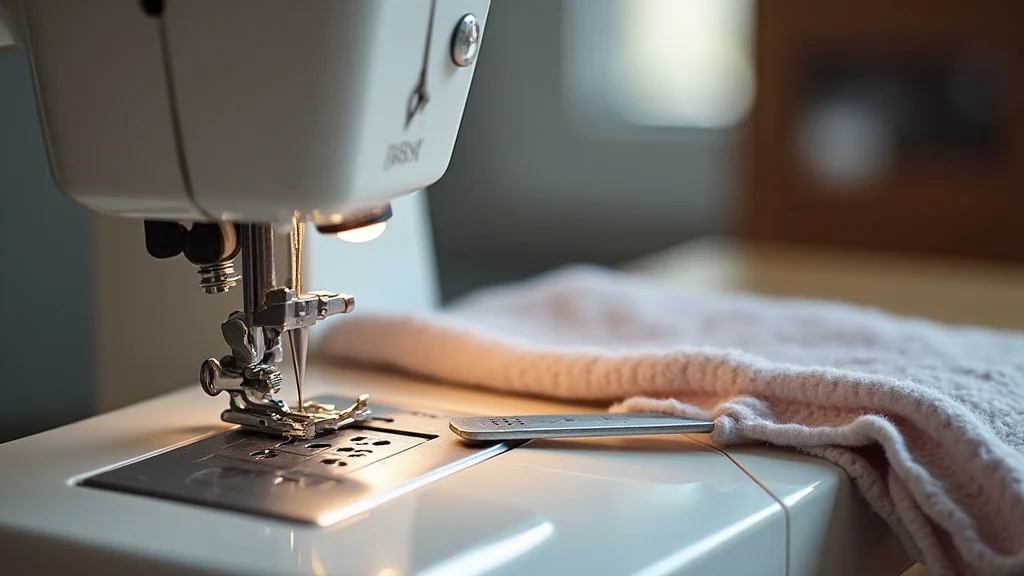
Ever had a sewing machine suddenly stop working right in the middle of a project? It’s frustrating, isn’t it? Maybe a bobbin case broke, or the needle holder needs replacing. Finding the right sewing parts can feel like a scavenger hunt. This blog post is your guide to finding a reliable sewing parts online website. We’ll explore how to find the parts you need, compare different options, and ensure you’re getting the best value. You’ll gain practical advice to keep your sewing machine running smoothly. This will boost your confidence and reduce the time you spend searching for parts, while keeping your creations flowing!
Key Takeaways
- Learn how to identify the specific parts your sewing machine needs.
- Discover the benefits of buying sewing parts online.
- Find out how to compare different sewing parts online websites.
- Understand how to ensure the parts you buy are the right fit.
- Learn about the importance of reading reviews before purchasing.
- Get tips on the best ways to troubleshoot common sewing machine problems.
Finding the Right Sewing Machine Parts
Knowing what part is broken is the first step. You need to identify the exact component that needs replacing. This can be easier said than done, especially if you’re new to sewing machine repair. There are many different types of parts, and each machine model uses specific pieces. Before you even think about shopping, take a close look at your machine. Is there a visible crack, a missing piece, or something clearly not functioning correctly? Sometimes, it’s as simple as a broken needle. Other times, it might be a more complex part. This section will guide you through the process of correctly identifying the specific sewing machine parts you require, ensuring a smoother shopping experience.
Identifying Your Machine’s Make and Model
Before you can order any replacement parts, you need to know your sewing machine’s make and model. This information is crucial because parts are often specific to the machine’s manufacturer and model. Locate the model number. It’s usually found on a sticker or plate on the machine’s exterior. Common locations include the back, bottom, or side. Once you have this number, write it down and keep it handy. This is the key piece of information you’ll need when searching for parts on any sewing parts online website. Some older machines might not have a readily accessible model number, so searching for manuals online using the brand name and a description of your machine can be helpful.
- Check the Machine Body: Look for a sticker, plate, or imprint.
- Consult the Manual: Your machine’s manual has the model number.
- Search Online: Use the brand name and description to find the model.
- Take Photos: Photograph your machine for reference.
Inspecting the Damaged Part
Once you’ve identified your machine, the next step is to examine the broken or malfunctioning part. Take a close look at it. Note its shape, size, and any identifying marks or numbers. Take photos and compare them to pictures of
- Examine the Part Closely: Note shape, size, and markings.
- Take Pictures: Use photos to compare with online listings.
- Remove the Part: Carry it when shopping as a reference.
- Document Details: Note any distinguishing characteristics.
Using Online Resources for Part Identification
The internet provides many resources to help identify your sewing machine parts. Many manufacturers have websites with diagrams and parts lists. These resources can be invaluable, especially if you’re unsure of what you need. Online sewing machine forums and communities are also valuable. Sewing enthusiasts frequently share their experiences and offer advice on replacing parts. Searching for your machine’s model number, followed by the phrase “parts diagram,” can often lead you to helpful illustrations. Additionally, many sewing parts online websites have detailed product descriptions. They often include compatibility charts, which can help ensure you select the correct part. Take advantage of all the tools available.
- Check Manufacturer Websites: Find diagrams and parts lists.
- Join Online Forums: Get advice from sewing enthusiasts.
- Search with Model Number: Use “parts diagram” in searches.
- Review Website Descriptions: Look for compatibility charts.
Advantages of Buying Sewing Parts Online
Buying sewing machine parts online offers numerous benefits. It’s often more convenient than visiting a local store, as you can shop from the comfort of your home. You gain access to a wider selection of parts, including those for older or less common machines. Online stores also tend to have competitive prices, which can save you money. You can read reviews from other customers. This offers valuable insights into the quality of the parts and the reliability of the seller. This section will discuss the convenience, the vast selection, and the cost savings that make online shopping a smart choice.
Convenience and Accessibility
One of the biggest advantages of buying sewing parts online is convenience. You can shop anytime, anywhere, as long as you have an internet connection. This is particularly useful if your local stores have limited hours or are a long drive away. You can browse through a wide selection of parts without leaving your home. Online stores are always open, making it easy to address your sewing machine needs whenever the need arises. No more rushing to make it to the store before it closes. Online shopping offers a flexible and convenient solution to the problem.
- 24/7 Availability: Shop anytime, anywhere.
- No Travel Required: Eliminate trips to physical stores.
- Easy Browsing: Browse a wide selection at your pace.
- Time-Saving: Avoid the constraints of store hours.
Wider Selection and Availability
Sewing parts online websites typically have a larger inventory than physical stores. They often stock parts for various sewing machine brands and models. This includes parts for vintage and discontinued machines, which can be hard to find locally. Specialty parts and accessories are also more readily available online. Physical stores often have to limit their inventory due to space constraints. Online stores can offer a more comprehensive selection, giving you a better chance of finding the exact part you need. This wide range of options gives you an advantage.
- Extensive Inventory: Find parts for diverse machines.
- Vintage Machine Parts: Easier to find discontinued parts.
- Specialty Parts: More availability for unique items.
- Access to Accessories: Expanded accessory options.
Cost Savings and Competitive Pricing
Online retailers often offer competitive pricing on sewing machine parts. This can lead to cost savings compared to buying from local stores. Lower overhead costs for online stores allow them to offer better prices. You can easily compare prices from different sellers, ensuring you get the best deal. Many websites have sales, discounts, and free shipping offers. You can often find refurbished or used parts at reduced prices. Price comparison is simple online. This can translate into significant savings, especially when purchasing multiple parts or larger components. Cost is a key factor.
- Competitive Prices: Online retailers can offer better deals.
- Easier Price Comparisons: Compare prices from different sellers.
- Sales and Discounts: Look for promotions to save money.
- Refurbished Options: Consider used parts for lower costs.
Choosing a Reliable Sewing Parts Online Website
Selecting the right sewing parts online website is essential. Not all sites are created equal. You want to choose a site that offers a good selection, competitive pricing, and reliable service. Reading reviews, checking the seller’s reputation, and verifying the return policy are vital steps. Consider factors like shipping costs, payment options, and customer support. Focusing on these details will help you find a trustworthy retailer to meet your needs. We’ll explore the key aspects to look for when selecting a reliable online store for your sewing machine parts.
Reading Customer Reviews and Ratings
Customer reviews provide valuable insights into the reliability and quality of a sewing parts website. Look for reviews on sites like Trustpilot, Google Reviews, or the website itself. Pay attention to the overall rating and the comments. Look for patterns in the reviews. Are there consistent complaints about shipping, product quality, or customer service? Positive reviews can be indicators of a reliable seller. Be wary of websites with a large number of negative reviews or a low overall rating. Reviews are a crucial piece of information. They give you a sense of what to expect from the seller before placing an order.
- Check Third-Party Review Sites: Use platforms like Trustpilot.
- Read the Comments: Look for recurring issues or praises.
- Look for Patterns: Identify consistent complaints or praise.
- Consider Overall Ratings: Evaluate the seller’s reputation.
Checking the Seller’s Reputation and Warranty Policies
Before purchasing, it’s wise to research the seller’s reputation. Find out how long they’ve been in business. Look for information about their customer service and any guarantees they offer. A reputable seller will provide clear information about their return and warranty policies. Understand the warranty terms for the parts you’re buying. Ensure the return policy is fair and flexible. Look for policies that cover defects or incorrect parts. A strong warranty gives you confidence. It means the seller stands behind the quality of their products. Always check for contact information. You will want to be able to reach out to them in case you have questions or problems.
- Research Seller History: Check their time in business.
- Review Customer Service: Evaluate their responsiveness.
- Understand Warranty Terms: Review warranty coverage details.
- Check Return Policies: Ensure they are fair and flexible.
Comparing Prices and Shipping Options
Price comparison is a critical step when buying sewing parts online. Compare prices from multiple websites. Consider shipping costs, as these can significantly impact the total cost of your purchase. Some websites offer free shipping on orders over a certain amount. Evaluate the shipping options available, and consider factors like delivery time and tracking. Ensure the website offers secure payment options. This protects your financial information. Also, factor in any additional fees. Take these considerations into account when comparing. Choosing the right website will help ensure you get the best deal. Carefully analyze costs to make an informed decision.
- Compare Prices: Compare across multiple websites.
- Consider Shipping Costs: Factor shipping into the total price.
- Evaluate Shipping Options: Consider delivery time and tracking.
- Check Payment Security: Ensure secure payment options are available.
Ensuring the Right Fit for Your Sewing Machine
Selecting the correct part is crucial. You want to be sure that the parts you purchase fit your sewing machine. The fit of a part can affect the performance of your machine. Incorrect parts can cause damage or malfunction. Verify part compatibility by checking the machine’s model number and the part specifications. Understand the importance of measurements and dimensions. You can use these to help ensure a correct fit. This section discusses the essential methods to make sure you are purchasing the correct parts for your machine. This helps eliminate the frustration that comes with an ill-fitting part.
Verifying Part Compatibility with Your Machine
Part compatibility is essential. Confirm that the part you’re ordering is designed for your sewing machine’s make and model. Check the product description and compatibility charts on the website. Compare the part numbers with the one listed in your machine’s manual. If you have any doubts, contact the seller’s customer service. Provide your machine’s model number and the part you want to purchase. They can verify whether it is the right fit. Always double-check before ordering to save time and prevent returns. Confirming compatibility ensures your part will function as intended and avoids costly mistakes.
- Check Product Descriptions: Verify model compatibility.
- Compare Part Numbers: Use your machine’s manual.
- Contact Customer Service: Ask questions before ordering.
- Double-Check Before Ordering: Avoid costly returns.
Understanding Measurements and Dimensions
Measurements and dimensions are important for many sewing machine parts. For example, needles come in different sizes, and bobbins have specific dimensions. When buying parts like belts, gears, or presser feet, make sure you know the exact measurements. Use a ruler or measuring tape to measure the damaged part or the space it occupies in your machine. Check the part’s listed dimensions on the website. Compare these with your measurements. Small variations can affect the functionality of the part. This ensures a proper fit. Having this information at hand can prevent purchasing the wrong size.
- Measure the Part: Measure the existing or damaged part.
- Note Dimensions: Keep the measurements on hand.
- Compare with Product Details: Match your measurements.
- Ensure a Proper Fit: Avoid functionality problems.
Using Diagrams and Visual Aids for Part Selection
Many sewing parts online websites provide diagrams and visual aids to help you select the correct parts. These diagrams show the location and orientation of the different components within the sewing machine. Use these resources to identify the part you need. Compare the diagram with your sewing machine to make sure it matches. Pictures of the parts can also be helpful. Some websites provide multiple views of the same part. This lets you assess its shape and features. These visuals assist in identifying the right part. These visual aids simplify the part selection process. They minimize the likelihood of ordering the wrong item.
- Utilize Diagrams: Use diagrams of the machine.
- Compare with Your Machine: Ensure it matches the diagram.
- View Multiple Pictures: Examine the different views.
- Simplify Part Selection: Minimize ordering errors.
Troubleshooting Common Sewing Machine Problems
Sometimes, a simple fix is all that is needed to get your sewing machine working again. Before you buy new parts, try troubleshooting some common issues. Many problems can be resolved without replacing anything. This section covers common sewing machine issues. It includes advice on identifying the issue and how to resolve it. This can save you time and money. It also provides the skills needed to tackle minor repairs, which is useful when sewing.
Needle Issues
Needle problems are among the most common. Needles can break, bend, or become dull. A broken needle can be caused by using the wrong type of needle for your fabric, sewing too fast, or hitting something hard. A bent needle may cause skipped stitches or poor stitch quality. Regularly check your needle for wear and tear. Change the needle frequently, especially when working on a new project or changing fabrics. Using the correct needle type for your fabric is crucial. If the needle is not the right size or type, it can damage the fabric and the machine. These are often the cause of many sewing issues. This can usually be fixed by replacing the needle. Always check your machine manual for the correct needle type.
- Broken Needle: Caused by the wrong needle type or speed.
- Bent Needle: Leads to skipped stitches or poor stitching.
- Change Needles Regularly: Replace frequently for best results.
- Use the Correct Needle: Choose the right needle type for fabric.
Thread Problems
Thread issues also frequently cause problems. Snapped threads, thread jams, and uneven stitches are common. A snapped thread can be caused by several factors, including incorrect threading, using old or low-quality thread, or thread tension problems. Thread jams often occur when thread gets caught in the bobbin area. Tension problems can also lead to issues like looping or puckering. Ensure the machine is threaded correctly, following the instructions. Use quality thread appropriate for your fabric. Check and adjust the tension settings according to your machine’s manual. Taking these steps can fix many thread-related problems. This can prevent damage to the machine. They often result in imperfect stitches.
- Snapping Threads: Incorrect threading, bad thread, or tension.
- Thread Jams: Thread caught in the bobbin area.
- Tension Issues: Lead to uneven stitches or puckering.
- Correct Threading: Follow the manual instructions.
Tension Adjustments
Thread tension is critical for proper stitching. Problems with tension can cause loops, puckering, or uneven stitches. Sewing machines have both upper and lower thread tension settings. The upper tension controls the thread from the spool, while the lower tension regulates the bobbin thread. To adjust tension, begin with the upper tension. Consult your machine’s manual for guidance. The manual will provide instructions on how to adjust the tension settings. For example, if the top thread is loose and the bobbin thread is showing on top, the upper tension needs to be tightened. If the bottom thread is loose and the top thread is showing on the bottom, the bobbin tension needs to be tightened. Small adjustments usually make a big difference. These are key for perfect stitching.
- Upper Thread Tension: Controls thread from the spool.
- Lower Thread Tension: Regulates bobbin thread.
- Consult the Manual: Find how to adjust tension.
- Make Small Adjustments: Small changes can make big differences.
Common Myths Debunked
Myth 1: Buying Used Parts Is Always a Bad Idea
Many believe that buying used sewing machine parts is always a risky move. While it’s true that used parts might have some wear and tear, it isn’t always a bad option. Some sellers offer used parts in excellent condition. These parts are often thoroughly cleaned and inspected. They may be just as functional as new parts. Buying used parts can be a great way to save money, particularly for older machines. You can find components that are no longer in production. Always check the seller’s return policy and ask for details about the part’s condition before you purchase.
Myth 2: All Sewing Machine Parts Are Interchangeable
A common misconception is that all sewing machine parts are interchangeable between different machine models. In reality, sewing machine parts can be very specific to the machine’s make and model. While some parts may be universal, many others are specifically designed for a particular machine. This is why it’s so important to know your machine’s model number. This will ensure you are getting the correct part. Always check the manufacturer’s specifications. Look for compatibility charts before buying. Purchasing the wrong part can lead to frustration and wasted money. Never assume a part will fit without verification.
Myth 3: Expensive Parts Are Always Higher Quality
Many assume that the most expensive parts are always the highest quality. While it is true that cost can sometimes reflect quality, it’s not always the case. Some brands charge premium prices for their parts, but they may not necessarily be superior. Reading customer reviews can give you better insight. They help to see if a part’s performance matches the price. You can find quality parts at a range of prices. Price is only one factor to consider. Evaluate reviews, the seller’s reputation, and warranty information. This will help you make a wise decision.
Myth 4: You Need to be a Skilled Mechanic to Replace Sewing Parts
A widespread myth is that you need to be a skilled mechanic to
Frequently Asked Questions
Question: How do I find my sewing machine’s model number?
Answer: The model number is typically found on a sticker or plate on the back, bottom, or side of your machine. Check the manual too.
Question: What should I do if the part I ordered doesn’t fit?
Answer: Contact the seller immediately and review their return policy. They will guide you through the return or exchange process.
Question: Are used sewing machine parts safe to buy?
Answer: Yes, used parts are safe. Make sure you check the condition and the seller’s reputation before buying.
Question: How can I tell if a sewing parts website is reliable?
Answer: Check customer reviews, look for contact information, and review their warranty and return policies.
Question: What tools do I need to replace sewing machine parts?
Answer: You usually need a screwdriver, needle-nose pliers, and possibly a small wrench, all of which are commonly found in most households.
Final Thoughts
Finding the right sewing parts online website can be an empowering experience. You’ve explored the importance of identifying the correct parts, the benefits of online shopping, and how to choose a reliable retailer. You’ve learned about the factors to consider. You also learned how to troubleshoot common issues. When you can keep your machine in top working order, you can create the projects you want. With a basic understanding of your machine, you can become self-sufficient. So, the next time you need a new part, explore the options available to you. Start with what you know. You’ll find the right parts and get back to sewing in no time.