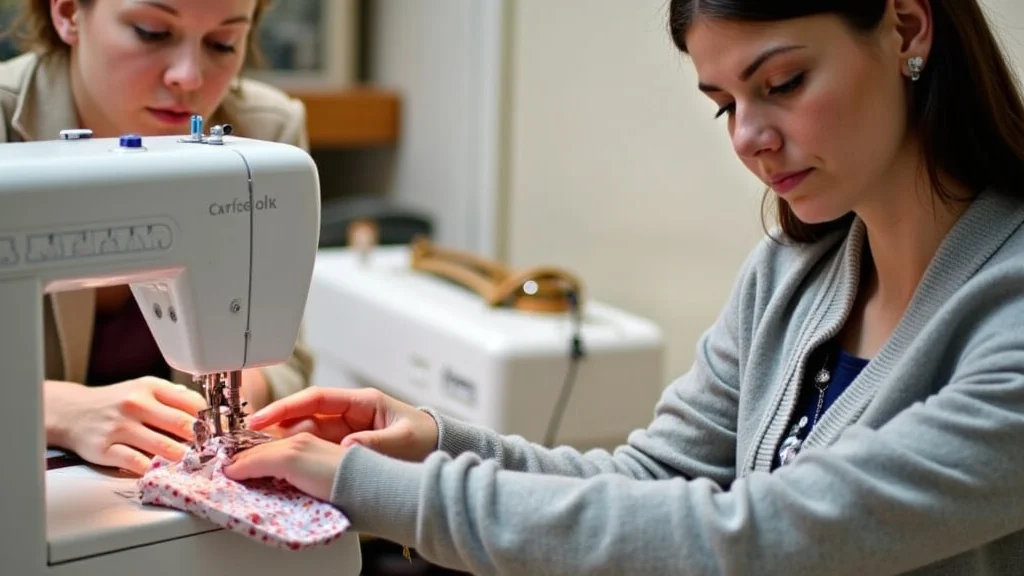
Picture this: You’re finally ready to start a new project in your sewing room. Your fabric is cut, your pattern is ready, and your sewing machine is humming. Then, you realize you’re missing a crucial technique or a specific tool. Wouldn’t it be wonderful to instantly access a helpful sewing room channel with expert advice? This post explores how to set up, optimize, and grow your own sewing room channel, providing invaluable tips to improve your skills and keep you inspired. You’ll gain practical knowledge to elevate your sewing endeavors, helping you become a more confident and skilled sewist while building a community. This comprehensive guide will show you how to start, grow, and maintain a thriving channel to inspire others.
Key Takeaways
- Learn how to choose the right platform for your sewing room channel.
- Discover how to create engaging video content to attract viewers.
- Understand strategies for promoting your channel and reaching a wider audience.
- Explore ways to monetize your channel and turn your passion into income.
- Find out how to build a strong community and connect with other sewists.
- Master the art of planning, filming, editing, and publishing your video content.
Getting Started With Your Sewing Room Channel
Creating a sewing room channel can be an incredibly rewarding experience. It allows you to share your passion for sewing, connect with other enthusiasts, and even generate income. The process begins with identifying your niche and selecting the appropriate platform. Consider what sets your sewing style or expertise apart. Are you a pattern tester? Do you focus on a specific type of sewing, like garment construction, quilting, or alterations? Maybe your skills lie in creating detailed tutorials or in-depth reviews of sewing machines. Defining your focus helps you target the right audience. Remember to explore different sewing room channel ideas, such as showcasing your favorite tools, sharing tips, reviewing fabrics, and doing project reveals.
Choosing the Right Platform for Your Channel
The choice of platform significantly impacts your channel’s success. The most popular choice for many creators is YouTube, because of its vast user base and robust features. It provides powerful tools for content creation, community engagement, and monetization. Other options include platforms like Instagram, TikTok, and Facebook, each with its unique strengths. Instagram is ideal for showcasing visually appealing content, such as finished projects and behind-the-scenes glimpses. TikTok excels in short-form video content, making it perfect for quick tutorials or project updates. Facebook, meanwhile, allows you to build a strong community through groups and live streams.
- YouTube: The best choice for long-form video content, in-depth tutorials, and comprehensive reviews. YouTube offers advanced analytics to track your channel’s performance.
- Instagram: Ideal for sharing visually appealing photos and short videos, perfect for showcasing your projects and attracting followers. Its emphasis on aesthetics makes it great for inspiration.
- TikTok: Thrives on short, engaging videos, excellent for quick tips, project updates, and showcasing your personality. It has a massive user base that is constantly growing.
- Facebook: Good for community building via groups and live streams. This is where you can interact directly with your audience and foster a personal connection.
Setting Up Your Channel for Success
Once you select a platform, setting up your channel is your next step. This involves creating a compelling channel name, crafting an attractive profile picture, and writing a concise description of your channel’s content. Your channel name should be memorable and reflect your brand. A well-written channel description helps viewers understand what you offer and encourages them to subscribe. Make sure to use relevant keywords to improve your channel’s visibility in search results. Think about the tone and personality you want to convey. For example, will your content be educational, fun, or a mix of both? This will influence your overall style and the type of audience you attract.
- Channel Name: Make it memorable, relevant to sewing, and reflective of your style. It should also be easy to spell and pronounce.
- Profile Choose a high-quality photo or logo that represents your brand. A clear image helps viewers recognize you quickly.
- Channel Description: Write a concise and engaging description of your content, using relevant keywords. Include your content frequency and what your audience can expect.
- Branding: Use consistent branding across all your content, including your logo, color palette, and editing style. Consistency helps build recognition.
Creating Engaging Content for Your Sewing Room Channel
Creating captivating content is what truly sets your sewing room channel apart. Think about the types of videos you want to produce. Will you offer tutorials, reviews, project reveals, vlogs, or a mix of these? Plan your content calendar in advance, and stick to a consistent posting schedule to keep your audience engaged. Ensure your videos are visually appealing. This involves proper lighting, clear audio, and a well-organized workspace. Edit your videos to create a polished final product, eliminating unnecessary pauses and providing clear instructions. The goal is to consistently deliver high-quality, informative, and engaging content that keeps viewers coming back for more. Try different formats and see what resonates best with your audience.
Video Content Ideas to Try
There are many possibilities to make your sewing room channel stand out. Creating “how-to” tutorials is a good way to help viewers learn specific techniques, from basic stitches to advanced construction methods. Product reviews offer your honest opinions on sewing machines, tools, fabrics, and patterns. Project reveals and sewing challenges show off your finished creations and challenge your creativity. Sewing vlogs allow viewers to see your daily sewing life, including your workflow, workspace, and the challenges you face. Live Q&A sessions can foster community engagement. Consider incorporating various styles of videos to keep your content fresh and appeal to a broader audience.
- Tutorials: Teach specific sewing techniques, from basic stitches to more advanced methods. Break down complex tasks into easy-to-follow steps.
- Product Reviews: Share honest reviews of sewing machines, tools, fabrics, and patterns. Provide pros and cons and help your audience make informed choices.
- Project Reveals: Showcase your finished projects, including the patterns, fabrics, and techniques used. Inspire others with your creativity.
- Vlogs: Share your daily sewing life, including your workflow, workspace, and challenges. Give viewers a behind-the-scenes look.
- Sewing Challenges: Participate in or create your own sewing challenges to encourage creativity and engagement. This will also give you new content ideas.
Improving Video Quality and Engagement
High-quality video production enhances your viewers’ experience and keeps them watching longer. Start with good lighting, which is crucial for a well-lit workspace and clear visibility of the project. Invest in a decent microphone to ensure clear audio and reduce background noise. Edit your videos to remove unnecessary pauses, add graphics, and include clear, concise instructions. Engage with your audience by responding to comments, asking for feedback, and creating a sense of community. Consistency is important, so ensure you have a regular video publishing schedule to maintain your viewers’ interest. Use good sound quality to avoid losing viewers.
- Lighting: Use natural light or invest in a ring light or softbox to brighten your workspace and make your projects more visible. Properly lit videos look more professional.
- Audio: Invest in an external microphone to eliminate background noise and ensure clear audio. Viewers are more likely to watch a video with good sound.
- Video Editing: Edit out unnecessary pauses, add graphics and text, and include clear, concise instructions. A well-edited video holds viewers’ attention.
- Engagement: Respond to comments, ask for feedback, and create a sense of community to keep your audience involved. Make your viewers feel appreciated.
Promoting and Monetizing Your Sewing Room Channel
After creating high-quality content, promoting your channel and monetizing your efforts are key steps. Use various strategies to increase your channel’s visibility and reach a wider audience. Explore monetization options to earn revenue from your content. Use your content to market your sewing room channel. This means promoting your videos and engaging with your audience on social media, in sewing groups, and on your website. Learn about the different ways to monetize your channel, from ads to affiliate marketing and sponsorships.
Promoting Your Channel
Effective promotion is the key to getting your content seen. Use social media to share your videos, engage with your audience, and drive traffic to your channel. Collaborate with other sewists and channels to cross-promote each other’s content. Optimize your video titles, descriptions, and tags with relevant keywords to improve search engine visibility. This helps viewers discover your videos. Encourage viewers to subscribe to your channel, like your videos, and leave comments. Consider running contests or giveaways to attract new viewers and build engagement. Make sure you use every opportunity to tell others about your channel.
- Social Media: Share your videos on social media platforms and engage with your audience to drive traffic to your channel. Use relevant hashtags.
- Collaborations: Partner with other sewing channels to cross-promote each other’s content and reach new audiences. This helps expose your channel to others.
- SEO Optimization: Optimize your video titles, descriptions, and tags with relevant keywords to improve search engine visibility. This improves organic reach.
- Call to Action: Encourage viewers to subscribe, like, and leave comments to increase engagement and channel growth. These interactions help your channel.
Monetizing Your Content
There are several ways to generate income from your sewing room channel. YouTube’s Partner Program allows you to monetize your videos by running ads. Affiliate marketing involves promoting products and earning a commission on sales made through your unique affiliate links. Sponsorships can provide a steady income stream, allowing you to partner with brands related to sewing and your niche. Sell your patterns, courses, or merchandise to offer additional value to your audience and generate revenue. You can also generate revenue through digital downloads. Remember that creating multiple income streams is a smart strategy to build a sustainable business.
- YouTube Partner Program: Monetize your videos by running ads, which is a key way to generate revenue directly through the platform. This is often the first method.
- Affiliate Marketing: Promote products and earn a commission on sales made through your unique affiliate links. This gives you passive income options.
- Sponsorships: Partner with brands to promote their products and services, creating another revenue stream. Sponsorships increase brand awareness.
- Selling Products: Sell your sewing patterns, courses, or merchandise to offer additional value to your audience and generate revenue. Diversifying income is good.
Building a Community Around Your Sewing Room Channel
Building a strong community is essential to the longevity of your sewing room channel. Engaging with your audience fosters loyalty and encourages repeat viewing. Encourage comments, respond to questions, and participate in discussions to create a welcoming environment. Create a Facebook group or a Discord server for your channel to foster deeper connections. Regularly host live streams and Q&A sessions to interact with your audience in real-time. Actively participate in other sewing communities to network and attract new viewers. Creating a thriving community enhances the appeal of your channel.
Engaging With Your Audience
Active engagement is crucial for building a strong, loyal audience. Respond promptly to comments and questions to show that you value your viewers’ input. Encourage discussions and create polls to gather feedback and generate new content ideas. Participate in sewing-related forums and social media groups to connect with other sewists and promote your channel. Always give credit to other content creators. Use live streams and Q&A sessions to engage with your audience in real time. Building a sense of community is also important.
- Respond to Comments: Promptly answer comments and questions to show that you value your viewers’ input and build stronger relationships. Be responsive.
- Encourage Discussions: Create polls or ask questions to gather feedback and generate new content ideas. Make your viewers feel involved in the process.
- Participate in Groups: Join and engage in sewing-related forums and social media groups to connect with other sewists and promote your channel. Network.
- Live Streams and Q&A: Host live streams and Q&A sessions to engage with your audience in real time and foster a stronger sense of community. Be personal.
Networking With Other Sewists
Networking is an essential aspect of growing your sewing room channel and expanding your reach. Collaborate with other sewists on projects, video content, or cross-promotions. This can introduce your channel to a wider audience and give you fresh ideas for content. Follow and interact with other sewing channels on social media to build relationships and show your support. Participate in sewing events and online workshops to connect with other creators and enthusiasts. Support other sewers. Networking also helps to generate positive relationships.
- Collaborations: Collaborate with other sewists on projects, video content, or cross-promotions to introduce your channel to a wider audience. Team up.
- Follow and Interact: Follow and interact with other sewing channels to build relationships and show support. Build a network for growth.
- Attend Events: Participate in sewing events and online workshops to connect with other creators and enthusiasts. Increase your reach and expand your network.
Advanced Strategies for Sewing Room Channel Growth
Once you’ve established a solid foundation for your sewing room channel, you can implement more advanced strategies to accelerate growth and maximize your impact. This involves detailed analytics and ongoing optimization of your content strategy, which includes understanding what your viewers want. Experiment with different content formats to keep your channel fresh and engaging. Consistently analyze your analytics to assess what’s working and what isn’t. Create a content calendar and stick to a consistent posting schedule to maintain your viewers’ interest. Always look for ways to adapt and improve your sewing room channel.
Analyzing Your Analytics
Understanding your channel’s analytics is key to optimizing your content and strategies. Use your platform’s built-in analytics tools to track key metrics such as views, watch time, audience retention, and subscriber growth. Identify your most popular videos and understand what makes them successful. This will help you replicate that success. Analyze your audience demographics to better understand who is watching your content and tailor your content to their interests. Track your channel’s performance over time. Review your analytics regularly to identify areas for improvement and guide your content strategy. Use the information to plan your content.
- Views: Track the total number of views to assess the overall popularity of your videos and identify trends. More views indicate successful content.
- Watch Time: Analyze watch time to understand how long viewers are watching your videos, which reflects engagement and interest. High watch time is a good sign.
- Audience Retention: Measure audience retention to identify where viewers are dropping off in your videos and how to improve your content. Pinpoint problem areas.
- Subscriber Growth: Monitor subscriber growth to assess the overall growth of your channel and the effectiveness of your content strategy. Positive trends are good.
Optimizing Your Content Strategy
Regularly review and refine your content strategy. Experiment with different video formats, such as short tutorials, project reveals, or vlogs, to see what resonates most with your audience. Update your video titles, descriptions, and tags to ensure they are current and reflect the latest trends and keywords. Consider your audience. Pay attention to feedback and comments from your viewers, and adapt your content to meet their interests and needs. Conduct regular A/B testing with different thumbnails, titles, and video structures to identify what works best. Constant optimization ensures that your channel remains fresh and relevant.
- Content Formats: Experiment with different video formats to see what resonates most with your audience. Explore a variety of options.
- Titles, Descriptions, Tags: Update your titles, descriptions, and tags to ensure they are current and reflect the latest trends and keywords. Optimize for search.
- Audience Feedback: Pay attention to feedback from your viewers and adapt your content to meet their interests and needs. Listen to your audience.
- A/B Testing: Conduct regular A/B testing with different thumbnails, titles, and video structures to identify what works best. Test and learn.
Common Myths Debunked
Myth 1: Sewing Room Channels Are Only for Experts
Many people believe that starting a sewing room channel requires advanced skills and a large following. This is simply not true. While expertise is valuable, the most important element is the ability to share your sewing journey, provide helpful tips, and offer inspiration. The best channels often focus on specific areas of sewing or appeal to a specific audience, such as beginners. You don’t need to be a sewing guru to start and succeed; the key is passion and a desire to connect with others.
Myth 2: You Need Expensive Equipment to Start
It’s a common misconception that expensive cameras, lighting, and editing software are necessary to launch a successful sewing room channel. While professional equipment can certainly improve video quality, it’s not essential to get started. Many successful channels begin with a smartphone, natural light, and free editing software. As your channel grows and you generate income, you can consider investing in better equipment. For now, focus on content and creativity. Don’t let a lack of equipment hold you back.
Myth 3: Monetization Happens Quickly
Many believe that monetization on YouTube and other platforms happens fast. While it’s possible to earn income quickly, it typically takes time and consistent effort. Building an audience, creating high-quality content, and meeting the requirements of monetization programs can take months. Patience is required. Your goal should be to build a loyal audience first. Then, you can explore various options, such as ads, affiliate marketing, and sponsorships.
Myth 4: You Need to Post Every Day to Succeed
This is not always true. While consistent posting is crucial, the frequency of your uploads depends on your niche and audience. It’s more important to maintain a consistent schedule that you can manage. Creating high-quality content on a regular basis is more valuable than posting daily with rushed or poorly-made videos. Find a publishing rhythm that works for you. This allows you to produce the best content.
Myth 5: All Sewing Channels Have a Wide Audience
It is a misconception that sewing channels need to cater to a broad audience to be successful. Niche channels focused on specific interests, techniques, or styles often thrive. The goal isn’t to reach everyone, but to build a loyal following who share a common interest. Focusing on a specific sewing niche can help you create content that is more engaging. This will also attract a dedicated community of like-minded sewists.
Frequently Asked Questions
Question: What’s the best platform for a sewing room channel?
Answer: YouTube is the most popular choice due to its broad reach and comprehensive features. However, consider your target audience and the type of content you want to create. Other platforms like Instagram and TikTok can also be effective.
Question: How can I improve my video quality?
Answer: Start with good lighting and clear audio. Invest in a ring light or softbox for lighting and an external microphone. Edit your videos to remove unnecessary pauses and add graphics.
Question: How do I promote my sewing channel?
Answer: Share your videos on social media, collaborate with other creators, and optimize your video titles, descriptions, and tags with relevant keywords. Encourage viewers to subscribe and like your videos.
Question: How can I monetize my content?
Answer: Monetization happens through the YouTube Partner Program, affiliate marketing, sponsorships, and selling your products. Diversifying your income streams is smart.
Question: How can I build a strong community?
Answer: Engage with your audience by responding to comments and questions. Create a Facebook group or Discord server. Host live streams and Q&A sessions. Network with other sewists.
Final Thoughts
Starting and growing a successful sewing room channel demands passion, consistency, and a willingness to learn and adapt. The journey begins with identifying your niche and selecting the right platform. Creating engaging content is key. Remember to experiment with different formats, and stay responsive to your audience’s feedback. Use the available tools for promotion to build a thriving community of sewists. As you grow, focus on understanding your analytics and optimizing your content. Monetization can come in various forms, from ads to affiliate marketing. The most important elements are the enjoyment of your creative process and the willingness to share your love of sewing. Keep creating and connecting, and your channel will evolve. Start today and see where your sewing room channel will go!