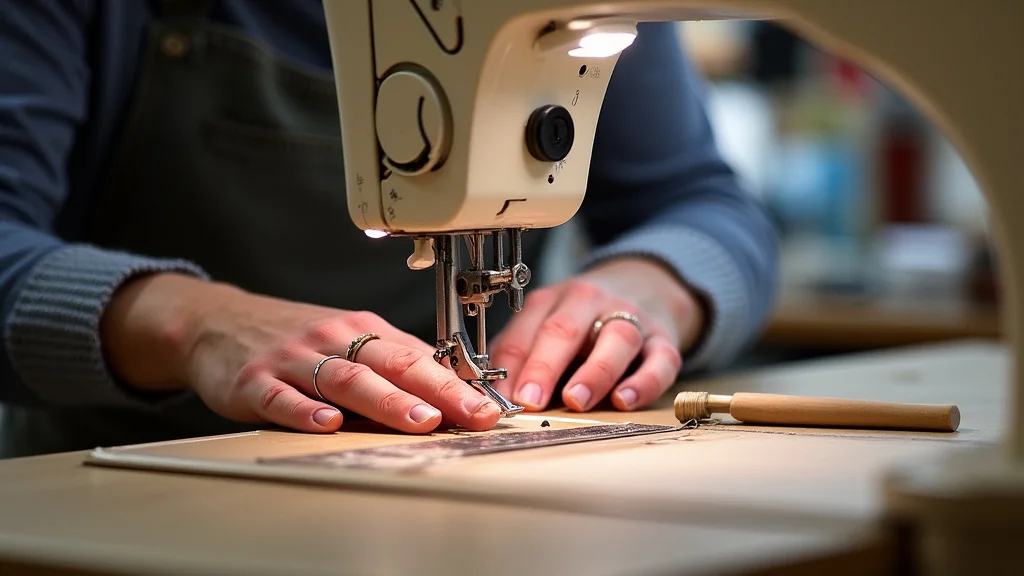
Remember that lumpy old pillow on your couch? The one with the faded cover and the flattened stuffing? You might be thinking about replacing it, but what if you could refresh it with a new cover and some stylish cording? That’s right, we’re talking about a quick sewing project that will give your pillows a professional look! This guide focuses on sewing a zipper in a pillow with cording. You’ll gain the skills to create beautifully finished pillows that you can customize to perfectly match your home decor. By the end, you’ll be able to create gorgeous pillows.
Key Takeaways
- Learn the essential steps for preparing your pillow fabric for the project.
- Discover how to accurately measure and cut fabric for your pillow cover.
- Understand the correct way to attach cording for a polished, professional finish.
- Master the technique for inserting a zipper seamlessly into your pillow cover.
- Gain confidence in your sewing skills by completing a practical project.
- Find useful tips and tricks to avoid common sewing mistakes.
Preparing Your Materials for Pillow Construction
Before you even think about threading a needle, gather all your supplies. It’s like setting the stage before a play. Having everything ready saves time and frustration. You’ll need fabric, obviously. Choose a durable, attractive material like cotton, linen, or a blend. The amount depends on your pillow size; measure carefully! You’ll also need cording, the decorative trim that outlines your pillow, a zipper of the appropriate length, thread that matches your fabric, and the usual sewing tools. These include scissors or a rotary cutter, a ruler, pins, a sewing machine, and an iron.
Selecting the Right Fabric for Your Pillow
Fabric selection significantly impacts the final look and durability of your pillow. Think about the pillow’s purpose and placement. A pillow destined for heavy use on a sofa needs a tougher material than one for decoration in a guest room. Consider the style of your room, and choose fabrics that complement your existing decor. Remember that the color and pattern of your fabric will have a major impact. Fabrics can include plain canvas, a pretty patterned cotton, or even a luxurious velvet. Always pre-wash your fabric to avoid shrinkage after you’ve made your pillow.
- Durability: Opt for fabrics known for their resilience, especially if the pillow will be used frequently.
- Aesthetics: Coordinate the fabric with your existing decor, choosing colors and patterns that complement your space.
- Maintenance: Consider how easy the fabric is to clean; darker colors or patterns will hide stains better than solid light colors.
- Weight: The fabric weight will influence the pillow’s feel; consider the thickness of the fabric, ensuring it’s not too heavy for your sewing machine.
- Texture: The fabric’s texture, whether smooth, textured, or embellished, adds visual interest and can change the perceived feel of the pillow.
For example, if you have children or pets, a durable, easily washable fabric like cotton duck or a cotton blend is a smart choice. If you’re going for a more elegant look, consider silk or linen, but remember these might require more careful handling and cleaning. You might use a fabric with a small pattern to hide stains or wear better. This step is about blending function with fashion. Choosing the perfect fabric sets the foundation for a pillow that is both beautiful and long-lasting.
Essential Tools and Supplies for Sewing
Before beginning the sewing zipper in pillow with cording process, gather your toolkit. Having the right tools and supplies at your fingertips makes the job easier and improves your final results. This includes the basic sewing necessities such as a fabric measuring tape, straight pins, needles, and thread. However, specialized items like a zipper foot and cording foot are also essential. An iron and ironing board are crucial to ensure a smooth, professional finish. Without the proper tools and supplies, your project will likely be much more challenging.
- Sewing Machine: A good sewing machine is the heart of the project. Make sure yours is in good working order.
- Zipper Foot: This specialized foot allows you to sew close to the zipper teeth.
- Cording Foot: This foot helps you attach the cording smoothly and evenly.
- Fabric Scissors or Rotary Cutter: Sharp tools are essential for accurate fabric cutting.
- Pins: Use plenty of pins to hold your fabric in place while sewing.
Make sure you have a reliable measuring tape or ruler for precise measurements. A seam ripper will be a lifesaver for correcting mistakes. When picking out your thread, match its color to your fabric. A good iron is crucial for pressing seams. Make sure your needles are sharp and the appropriate size for your fabric weight. Having all your tools ready will streamline the process and make it a more enjoyable experience.
Measuring, Cutting, and Attaching the Cording
Accuracy in measuring and cutting will have a big impact on the overall appearance of the project. Carefully measure your pillow form, then add seam allowances to determine the fabric dimensions. Cutting too small is a big problem, so it’s always better to err on the side of caution. Attaching cording requires patience and precision, but the results are worth the effort. Consider the type of cording you want to use, and how it will look with your fabric. Taking time in this stage will set the stage for success. Taking the time to do this step well will have an impact on the end result.
Precise Measurements for Your Pillow Cover
Accurate measurements are the foundation of any good sewing project, particularly when you’re sewing a zipper in a pillow with cording. First, measure your pillow form. It is the core around which your project is built. Then, determine how you want the finished pillow cover to fit: snugly or loosely. Remember to add seam allowances to all sides, typically 1/2 inch (1.27 cm) is standard, but check your pattern instructions. This extra fabric allows for the seams. Measure again to double-check. Proper measurements ensure that your cover fits perfectly and that the zipper and cording are properly placed.
- Pillow Form Dimensions: Start by measuring the length and width of your pillow form.
- Seam Allowance: Add seam allowance to all sides; typically, this is 1/2 inch (1.27 cm).
- Zipper Placement: Plan for the zipper to be inserted in one of the sides, usually centered.
- Cording Allowance: Factor in the width of the cording. You will want to leave enough room for it.
- Fabric Layout: Plan how you will cut the fabric to minimize waste and maximize the use of your chosen fabric pattern.
For example, if your pillow form is 18 inches by 18 inches (45.72 cm x 45.72 cm), and you’re using a 1/2-inch (1.27 cm) seam allowance, your fabric pieces should measure 19 inches by 19 inches (48.26 cm x 48.26 cm). This allows for a snug fit. Write down all measurements to avoid any mistakes. Proper measurements are critical for creating a professional-looking pillow cover.
Attaching Cording to Your Pillow Cover
Attaching cording is a step that adds a professional look to any pillow, including those where you’re sewing a zipper in a pillow with cording. Before you begin, cut your cording to the correct length. You’ll need to measure around the perimeter of your pillow, adding extra for overlap. Pin the cording to the right side of the fabric, ensuring the raw edges align. Now, use a cording foot to sew the cording to the fabric. The cording foot has a groove that guides the cording as you sew. Careful stitching and an even seam are crucial here. This will make your project stand out.
- Cording Preparation: Cut the cording to the precise length needed.
- Pinning the Cording: Pin the cording to the right side of your fabric along all edges.
- Using the Cording Foot: Attach the cording foot to your machine, ensuring the cording runs smoothly through the groove.
- Sewing the Cording: Sew along the cording, keeping a consistent distance from the edge.
- Joining the Ends: Carefully join the ends of the cording, creating a seamless loop.
When you reach the corners, slow down and pivot your fabric. This helps create neat corners. When joining the ends of the cording, overlap them slightly and secure them with a few stitches. If you find the corners challenging, you can clip the seam allowance at the corners to allow the cording to curve smoothly. Practice will allow you to make clean, beautiful corners. Cording, when done properly, frames the pillow and gives it a professional appearance.
Inserting the Zipper for a Clean Finish
The zipper can seem like the most challenging part of the project, but with the right techniques, it’s entirely doable. Proper zipper placement ensures that your pillow cover can be easily removed for washing. This section provides detailed instructions on how to insert the zipper and achieve a clean, professional finish. Follow the steps, and you’ll be able to create functional and attractive pillows. Keep in mind that slow, careful work results in better results when you are sewing a zipper in a pillow with cording.
Preparing the Fabric for Zipper Insertion
Preparation is key when getting ready to the zipper will go, typically along one side of your pillow cover. Mark the opening with pins or tailor’s chalk. You can also use a seam ripper to carefully open the seam where the zipper will go, making sure you don’t damage the fabric. This process will prepare the fabric for the zipper. Ensure that the fabric edges are smooth and clean before you start sewing. If the fabric frays, you can apply a fabric sealant or zigzag stitch to the edges.
- Mark the Opening: Measure and clearly mark the desired opening length on your fabric with pins.
- Press the Seam Allowances: Press the seam allowances open along the marked line.
- Position the Zipper: Place the zipper face down along the seam, aligning the zipper teeth with the opening.
- Pin in Place: Secure the zipper to the fabric using plenty of pins.
- Use a Zipper Foot: Attach a zipper foot to your sewing machine to help sew close to the zipper.
The length of the zipper should be a little shorter than the side of your pillow. This is because you want to have a little space on either side. Make sure the zipper pull faces inwards. Make sure you place your zipper in the right position before you start sewing. This is a critical step. Preparation can help avoid headaches and ensure that your project is successful. Properly preparing your fabric will save you frustration later in the sewing process.
Sewing the Zipper into the Pillow Cover
With the fabric prepared, the next step is sewing the zipper. Attach the zipper foot to your machine. Position the fabric under the needle. Start by sewing one side of the zipper to the fabric, then the other. As you sew, guide the fabric carefully, ensuring the zipper teeth are aligned with the fabric edges. Use a straight stitch, and sew slowly, guiding the fabric. Stop frequently to reposition the fabric and ensure that you are sewing close to the zipper teeth. Sewing the zipper in can seem tricky, but this technique will help. The key is to take your time and follow the instructions carefully.
- Align the Zipper: Align the zipper tape with the seam allowance on the right side of the fabric.
- Sew One Side: Sew one side of the zipper to the fabric, staying close to the zipper teeth.
- Sew the Other Side: Flip the fabric and sew the other side of the zipper.
- Secure the Ends: Secure the zipper ends by backstitching.
- Remove Pins: Once the zipper is secure, remove the pins.
If you’re using a centered zipper, make sure the zipper pull is centered in the seam. If you’re using an invisible zipper, the zipper teeth will be hidden within the seam. Once you’ve sewn both sides, check that the zipper works smoothly. If it’s a little stiff, gently tug on the fabric around the zipper. Be sure that your seams are straight and your stitches are secure. If you’re not happy with how it looks, use the seam ripper and repeat. Remember, with practice, you will perfect this technique. This step sets the final look and function of the pillow.
Finishing Touches and Assembly
Now that you’ve got the essential components – the fabric cover with cording and the zipper – it’s time to bring everything together. This includes completing the seams and securing the edges. These steps ensure a professional and durable finish. Taking your time here will result in a beautifully finished pillow that will enhance the look of your home. Remember that the goal is a cover that’s both attractive and functional. This stage of sewing zipper in pillow with cording is where your vision is fully realized.
Assembling the Pillow Cover
Once you’ve inserted the zipper, you’re ready to assemble the pillow cover. First, with right sides together, pin the front and back pieces of the cover. Then, starting at one end of the zipper, sew around the edges of the pillow cover. Make sure to stop sewing at the end of the zipper. Sew the rest of the seam, taking care to reinforce the corners. Now, turn the cover right side out and give it a good press. Use an iron to create nice edges. Your goal is to form a sturdy, attractive cover for your pillow form.
- Pin the Fabric Pieces: Place the front and back fabric pieces right sides together and pin them securely.
- Start Sewing: Beginning at one end of the zipper, sew around the edges of the pillow cover.
- Sew Around the Zipper: When you get to the zipper, stop sewing, raise the presser foot, and pivot the fabric.
- Reinforce the Corners: At the corners, backstitch a few stitches to reinforce the seams.
- Turn and Press: Turn the cover right side out and press the seams to create sharp edges.
For a clean look, trim the corners of your fabric before you turn the cover right side out. This will reduce bulk and make the corners neater. When you’ve turned the cover right side out, use a point turner or a knitting needle to gently push out the corners. Pressing with an iron after turning will give your pillow cover a polished appearance. This final stage will show your attention to detail.
Inserting the Pillow Form and Final Steps
Once your pillow cover is assembled, it’s time to insert the pillow form. Gently slide the pillow form into the cover, starting with the edges. Make sure the corners of the pillow form match the corners of the cover. Now zip the pillow closed. Give the pillow a final check for any loose threads or imperfections. A well-made pillow cover should fit the pillow form comfortably and securely. It is now ready to add style and comfort to your home. Take a few extra steps now to achieve a polished result when sewing zipper in pillow with cording.
- Insert the Pillow Form: Gently insert the pillow form into the cover.
- Ensure a Good Fit: Make sure the corners of the pillow form fit the corners of the cover.
- Zip the Zipper: Close the zipper.
- Check for Loose Threads: Check for any loose threads or uneven seams.
- Admire Your Work: You’ve successfully sewn a pillow with a zipper and cording!
Consider the placement of your new pillow on your sofa or bed. Does it complement the existing decor? Is the placement of the cording even? If you notice any imperfections, don’t worry. This is an opportunity to learn and improve for future projects. Step back and appreciate your work. Your newly created pillow adds character to your living space. Consider making more pillows with different fabrics to create a coordinated look.
Common Myths Debunked
Myth 1: Sewing a Zipper Is Too Difficult for Beginners
Many people believe that inserting a zipper is a skill for experienced sewers only. This is not entirely true. While it might seem challenging at first, with the right instructions and practice, anyone can master this skill. The key is to start with a simple project, like a pillow, and to take it slow. Modern sewing machines have features and accessories, like zipper feet, that make the process easier. The real secret is practice. So, don’t let fear hold you back! Remember that success comes with time.
Myth 2: You Need Special Equipment to Sew a Pillow with a Zipper
Some think that you require all kinds of fancy sewing machines and tools. However, you can make a beautiful pillow with a standard sewing machine, a zipper foot, and basic supplies. Advanced features can be helpful, but they’re not essential. A good pair of scissors, a ruler, and a reliable iron are more important. The basic tools will let you create the perfect pillow. You can also customize your pillow using different fabrics or cording.
Myth 3: Cording Is Hard to Attach Correctly
Some people think that sewing cording requires complex techniques. The process is not particularly difficult. Using a cording foot, which helps guide the cording and the fabric smoothly, will greatly improve the process. It’s important to take your time and align the cording correctly as you sew, but the technique is straightforward. You will soon be able to achieve beautifully finished pillows with the right practice. The end result adds a professional touch.
Myth 4: Pre-made Pillow Covers Are Always Easier
Many believe that buying pre-made pillow covers is easier than sewing your own. Pre-made covers might be faster, but sewing your own has many advantages. You get to choose the exact fabric and design, including the cording and zipper type, to match your decor perfectly. This is an advantage that pre-made covers can’t match. You have complete control over the design and the dimensions. You will be able to get a unique pillow. The custom design will show your creativity and unique style.
Myth 5: It’s Expensive to Make Your Own Pillows
While the cost can depend on the fabric and other materials you select, sewing your own pillows is often more affordable in the long run. Buying pillow forms and fabric allows you to control the cost. You can also find great deals on fabric. Making your own pillows gives you the creative freedom to create something that matches your style. You might also upcycle fabrics you already have. Your new pillows will add style to your home.
Frequently Asked Questions
Question: What type of fabric is best for a pillow cover?
Answer: Durable, washable fabrics like cotton, linen, or blends are excellent choices. Consider the pillow’s use and your decor when selecting the fabric.
Question: How do I measure for a pillow cover?
Answer: Measure your pillow form, then add seam allowances (typically 1/2 inch) to the length and width of each piece.
Question: What is a zipper foot, and why is it important?
Answer: A zipper foot allows you to sew close to the zipper teeth. It ensures a clean, professional finish.
Question: How do I attach the cording to the pillow cover?
Answer: Pin the cording to the right side of the fabric, aligning the raw edges. Then, sew along the cording with a cording foot.
Question: How do I prevent puckering around the zipper?
Answer: Use plenty of pins when attaching the zipper. Sew slowly and carefully, and make sure your fabric is not stretched during the process.
Final Thoughts
Congratulations! You have explored the steps of sewing a zipper in a pillow with cording. You now have the skills to make beautifully crafted pillows. Remember that the key is practice and patience. Sewing a pillow with a zipper can be done successfully with attention to detail. Start with the right tools, and then master the steps. Whether you’re refreshing old pillows or creating new ones, the skills you’ve learned are invaluable. Embrace the process, and don’t be afraid to experiment with different fabrics and styles. By following these steps and tips, you can transform your home with custom-made pillows. You’ll be creating beautiful home decor in no time.